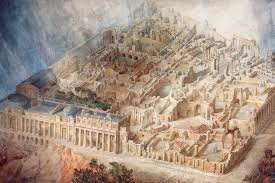
The loss of what has become known as “Sir John Soane’s Bank of England” has taken on almost mystical qualities amongst British architects. Nicholas Pevsner’s pronouncement (after the bank had already been rebuilt) that the demolitions constituted “the greatest architectural crime, in the City of London of the twentieth century” has stuck, and the architect responsible for the rebuilding – Sir Herbert Baker – has stood accused in the dock for almost a hundred years. Let’s look at a few of the facts.
Firstly, it was not “Soane’s Bank” but was a collection of toplit internal spaces and courtyards which had been created over two centuries by Soane, George Sampson, Robert Taylor and Charles Cockerell, with Soane having demolished much of his predecessors work to build his own. Secondly, the model of toplit, shallow-vaulted interior banking halls was already well established at the Bank, long before Soane arrived on site. Thirdly, neither Pevsner nor those who have blindly followed him in his criticism, have ever suggested how this rabbit warren of rooms and courtyards, which were no longer suitable to support the Bank’s activities nor even accommodate more than a third of their staff, should be preserved, on what is probably the most expensive piece of real estate in the UK and the historic base of the Bank’s activities.
Herbert Baker was appointed by the Bank to advise them on how best to redevelop their site (with Lutyens having already proposed total demolition). He immediately recognised the quality of many of the existing buildings and proposed not only that the great encircling wall which Soane had designed, should be saved in its entirety, but also that as many of the banking halls behind it as possible should be retained, with tall new buildings raised in the centre of the site and several floors of new accommodation below ground also created so that all the Bank’s activities could again be brought together on Threadneedle Street.

The Bank’s Court of Directors were divided between those who respected Baker’s advice to save as much as possible of the old Bank and those who wanted a completely new building like New York’s then recently completed Federal Reserve Bank. After several months deliberation, Baker was instructed to again consider complete demolition and he returned again proposing the retention of much of the old Bank, arguing that, due to rights of light, any new building would have to take a similar form, and on this occasion, he finally won majority support for his strategy.
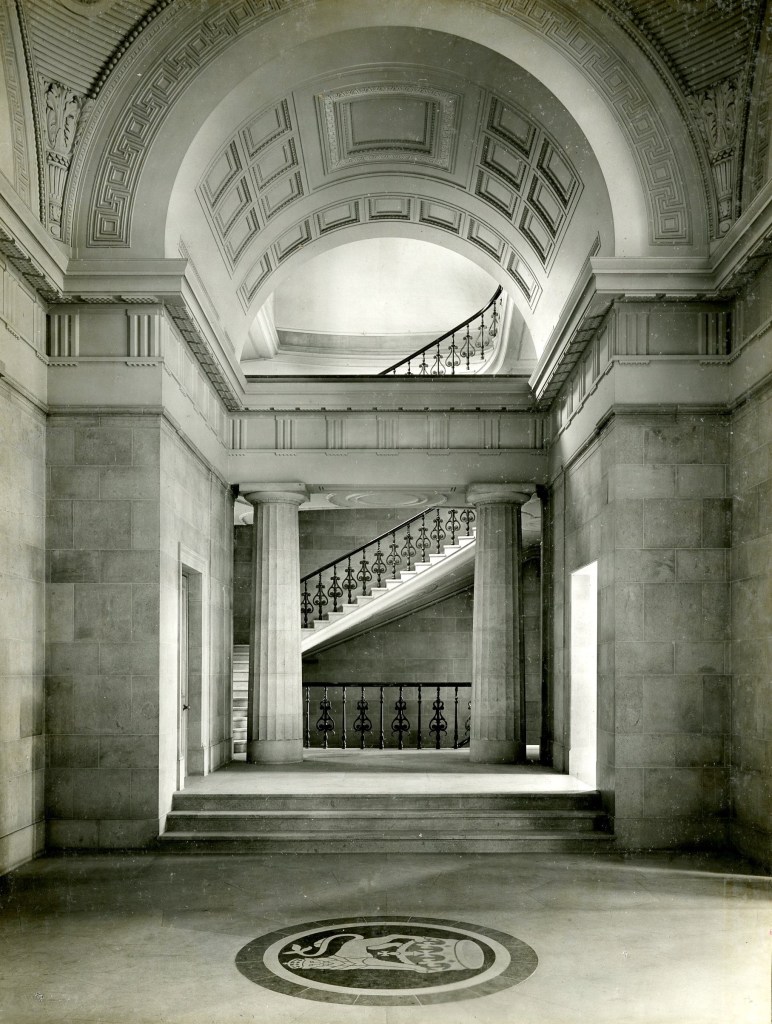
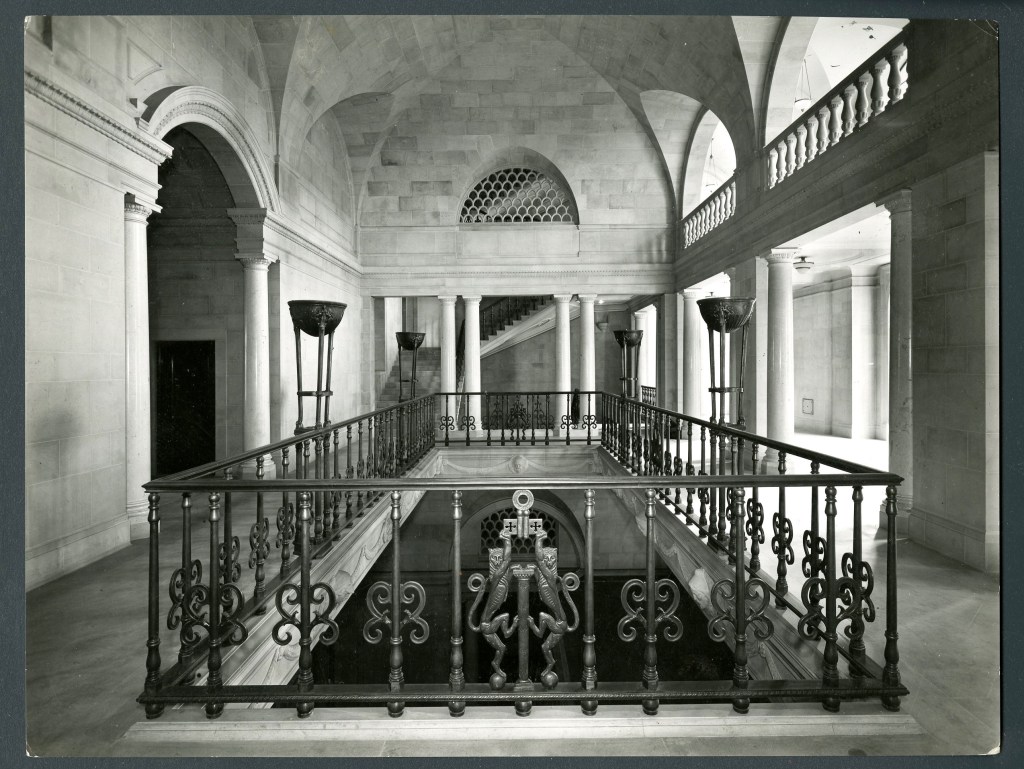
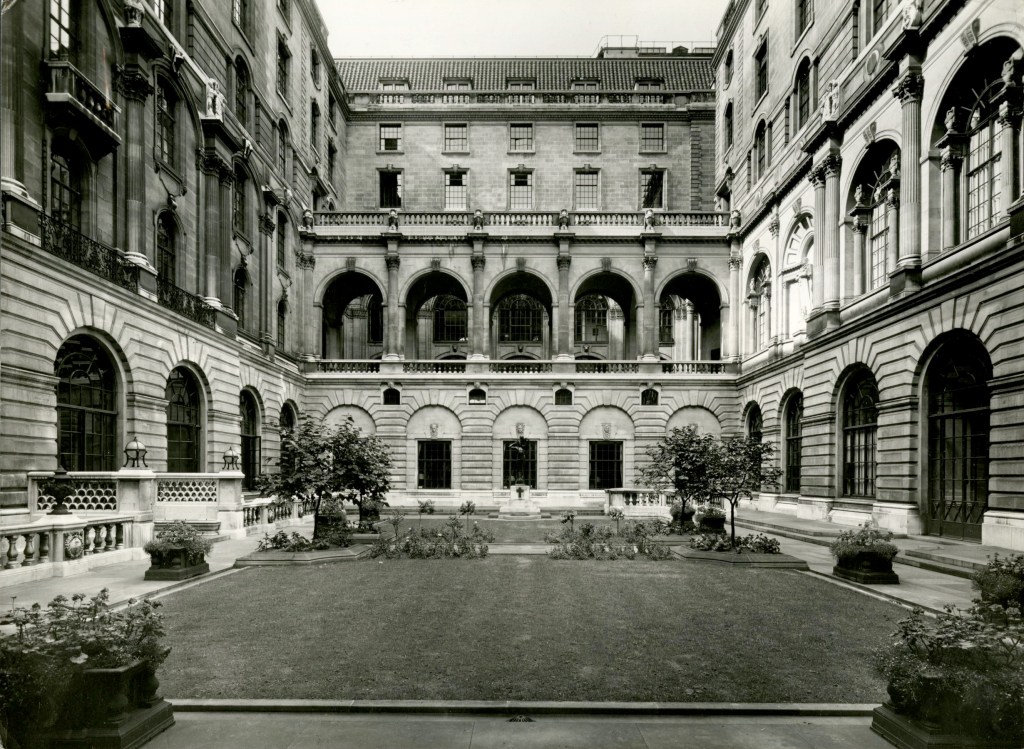
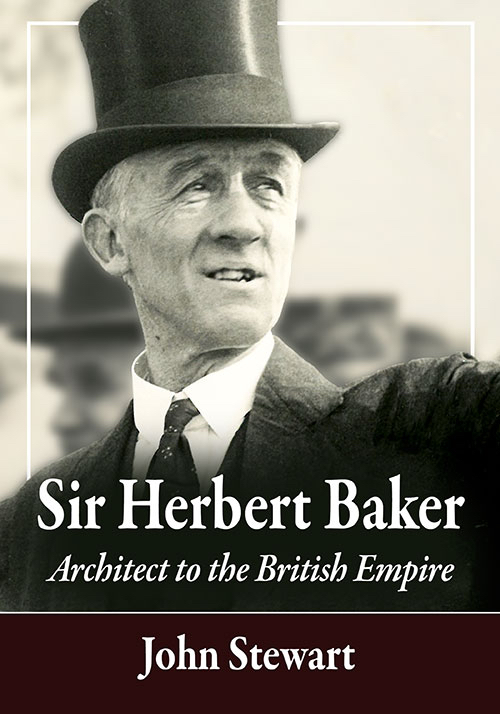
So the truth is that we have Herbert Baker to thank both for saving so much of the old Bank and for producing a series of quite stunning spaces within the new building (all the images above are Baker’s work) which sadly, like so many of Baker’s buildings for Government and private institutions, are rarely seen by the public. If you want to read the full story of Baker’s rebuilding of the Bank, my book ‘Sir Herbert Baker: Architect to the British Empire’ is due to be published by McFarland this Autumn. (With thanks to the Bank of England Archive for the use of the images)
If you don’t want to miss out on further blogs then please follow me on johngooldstewart.com
 John Stewart