Aalto and the Gullichsens

The brilliant Finnish Architect Alvar Aalto’s life and work has been spun with a web of myths and mystique, mostly created by Aalto himself. One of these is that he owed his success entirely to the Finnish architectural competition system, at which he excelled. This is partly true in that his early significant commissions, such as the Workers Club in Saynatsalo and Paimio Sanatorium were procured by this route, but it was when Maire Gullichsen – then the wealthiest woman in Finland – took an interest in his work, that his career really changed gear.
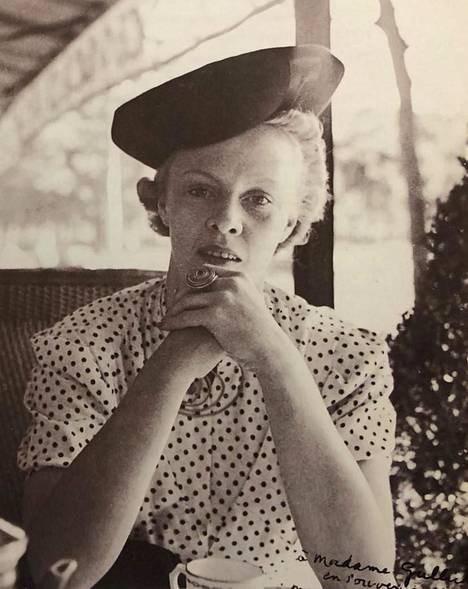
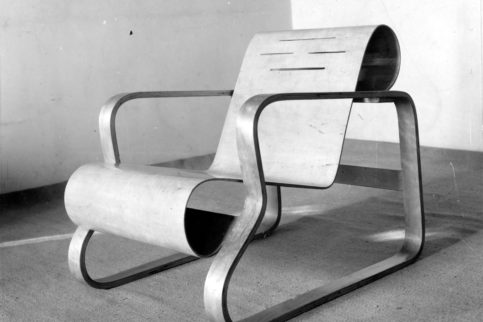
She was the granddaughter of Antii Ahlstrom, the founder of the Ahlstrom Corporation, and had married Harry Gullichsen, who took over as the CEO of Ahlstrom three years after their marriage in 1931. She was introduced to Aalto in 1936, when it was suggested that she fund a company to manufacture and promote Aalto’s furniture, which became and remains ‘Artek’ which still sells Aalto’s bentwood furniture (to those who can afford it) around the globe.
Her husband Harry soon commissioned Aalto to design almost all his industrial buildings including the massive Sunila Pulp Mill and workers town, which kept Aalto’s team busy for nearly twenty years, and then in 1937, Maire invited Aalto to design them a new summerhouse on the family’s vast estate in Noormarku, near the original Ahlstrom plant. Aalto’s initial designs were rejected by Maire as far too traditional and it was she who pushed him to design something which was still Finnish but much more radical and evocative of the emerging modern Finland, which she and Harry were doing so much to promote. The result of their collaboration is the beautiful Villa Mairea, which was completed in 1939.

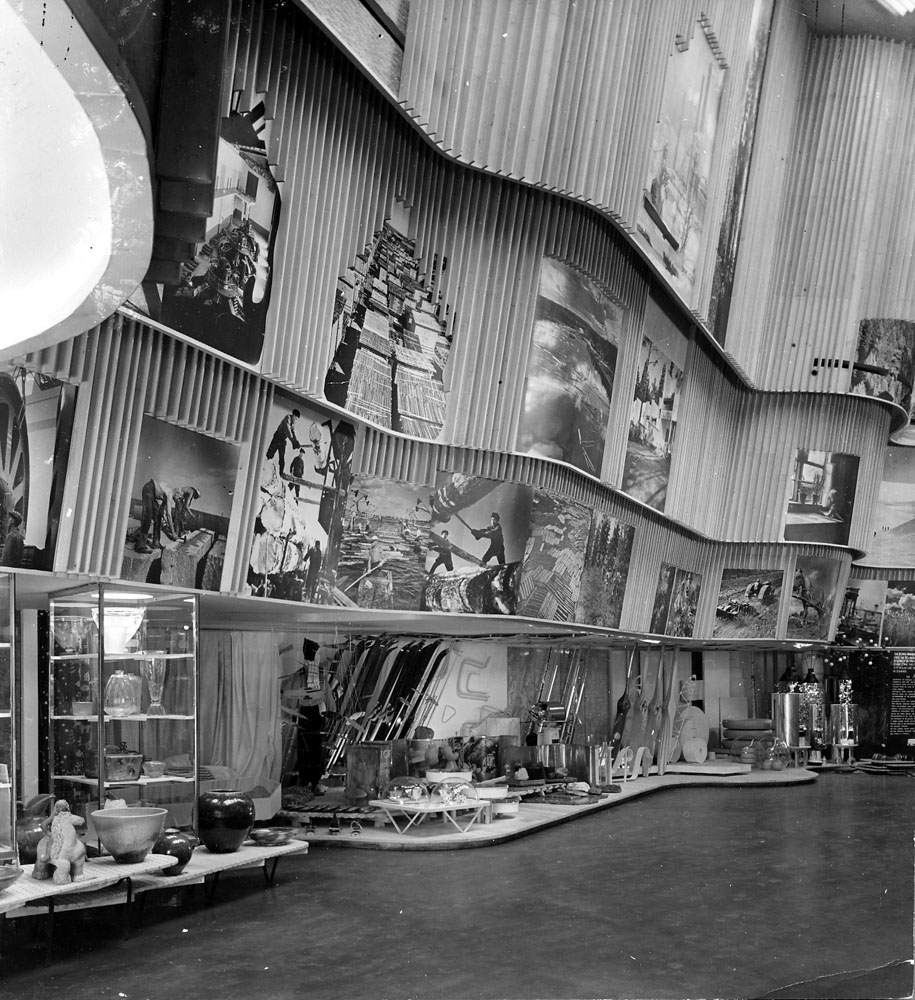
While working together on her house, she also persuaded Aalto to design the Finnish Pavilion for the New York World’s Fair of 1939, an idea Aalto had already rejected as it was purely an interior design project. The result was an acknowledged masterpiece which promoted Marie’s vision of the new Finland and, just as importantly, its leading designer Alvar Aalto, to the world.
Their relationship suffered when Maire and Harry stayed in Finland after the outbreak of WW2, while Aalto and his family fled firstly to neutral Sweden and then to the USA, but recovered after the war, when Aalto seems to have charmed all his former friends and colleagues into forgiveness. By then Aalto’s reputation was firmly established on a global front and provided a firm base for his greatest work after WW2.
You can read more about Aalto and the Gullichsens in ‘Alvar Aalto Architect’ my biography of Aalto and if you don’t want to miss out on further blogs then please follow me on johngooldstewart.com
 John Stewart