Contemporary British Classicism
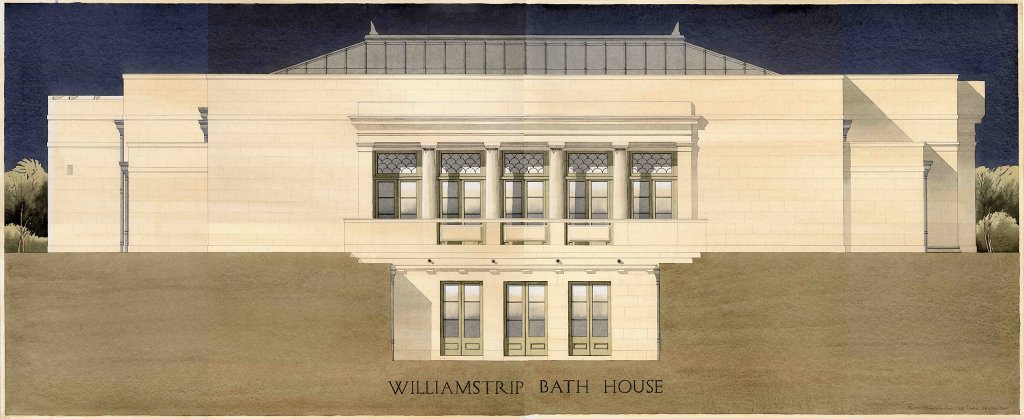
Has anyone else noted a distinct uptick in the quality of contemporary British Classical architecture? I do realise that for those whose architectural education has inculcated them into the cult of Modernism, even discussing this topic is regarded not such much as irrelevant as sinful, but despite attempts to exorcise it, Classical architecture has continued to be designed and built throughout the twentieth century and beyond, in direct opposition to the Zeitgeist.
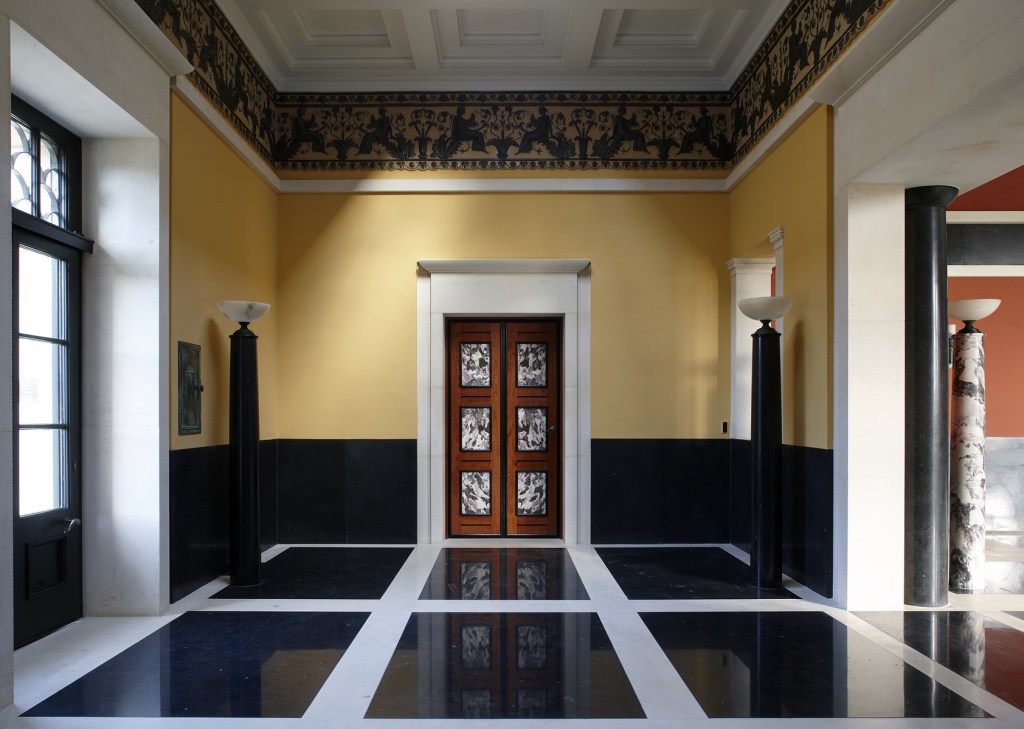
One or two individuals such as Raymond Erith and Quinlan Terry kept the flame alive and, despite being dismissed as building only for the rich, (for whom Classicism has always been the badge of wealth, power, privilege and indeed imperialism) they also produced numerous delightful public buildings such as village halls, libraries, schools and university buildings as well as minor mansions and the odd folly and, shock/horror, proved that Classicism was quite capable of responding to quite a few everyday twentieth century needs.
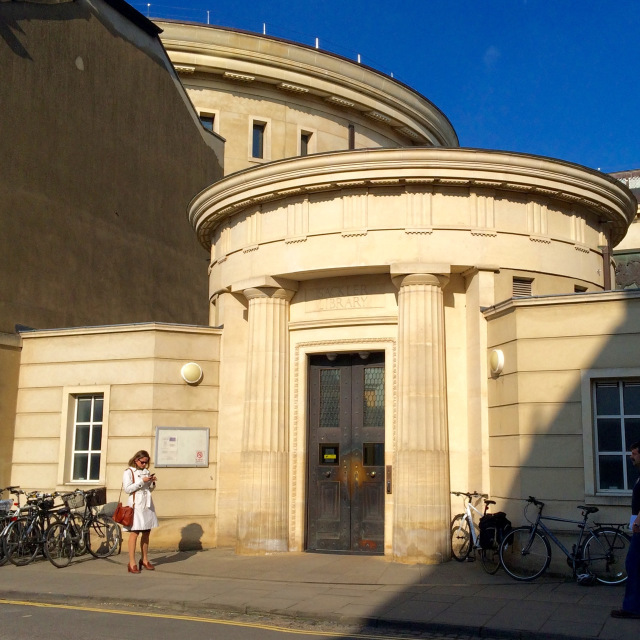
Post-Modernism, despite a few gems, brought a wave of Classical mediocrity as various architects who had no Classical training attempted to switch from Modernism, but more recently, the likes of Robert Adam (he had to be a Classicist) and Demetri Porphyrios have produced work of real architectural quality, including several fine commercial buildings and numerous new facilities for Oxbridge colleges, such as Adam’s Sackler Library in Oxford (above). I would immediately acknowledge that when the budget is less generous, such as for Porphyrios’s Bay Campus at Swansea University, the results are far less impressive.
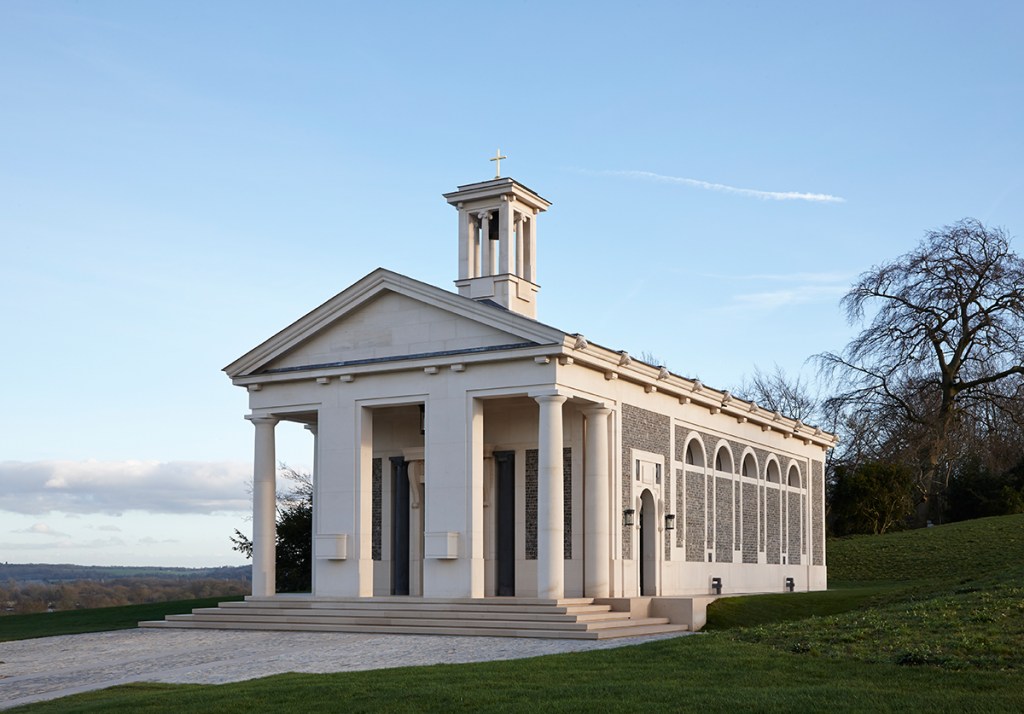
To this small Classical school must now be added the name of the outstanding architect Craig Hamilton, whose Chapel of Christ the Redeemer at Culham, completed in 2018, is merely the latest of a series of quite exceptional small Classical buildings. Like the best of his forebears and contemporaries, Hamilton exhibits not only a mastery of the orders but, like Plečnik and Asplund before him, a considerable degree of imagination and invention. With architectural sculpture by the equally talented Scottish Neoclassical sculptor Alexander Stoddart, surely even the most hair-shirted of Modernists cannot deny the quality of this work.

If you don’t want to miss out on further blogs then please follow me on johngooldstewart.com
 John Stewart