The Chapel of the Resurrection
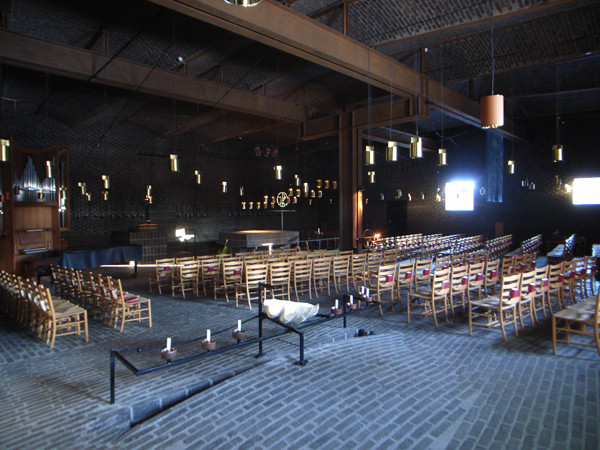
Sigurd Lewerentz’s churches are rightly regarded as exemplary Modern sacred spaces. St Mark’s in Stockholm and St Peter’s in Klippan are much visited and photographed and their raw steel and almost primitive, rough, twisted and overburnt brickwork whose joints were simply wiped with sackcloth, give their interiors an almost primeval quality which connects them directly with ancient precedents and the timeless act of worship. St Peter’s, the latter of the two buildings, was completed when Lewerentz was almost 80, but his first church – the Chapel of the Resurrection in the Woodland Cemetery in Stockholm, consecrated some 40 years earlier in 1925, is much less well known. At first sight, one would take some convincing that this building was by the same architect.
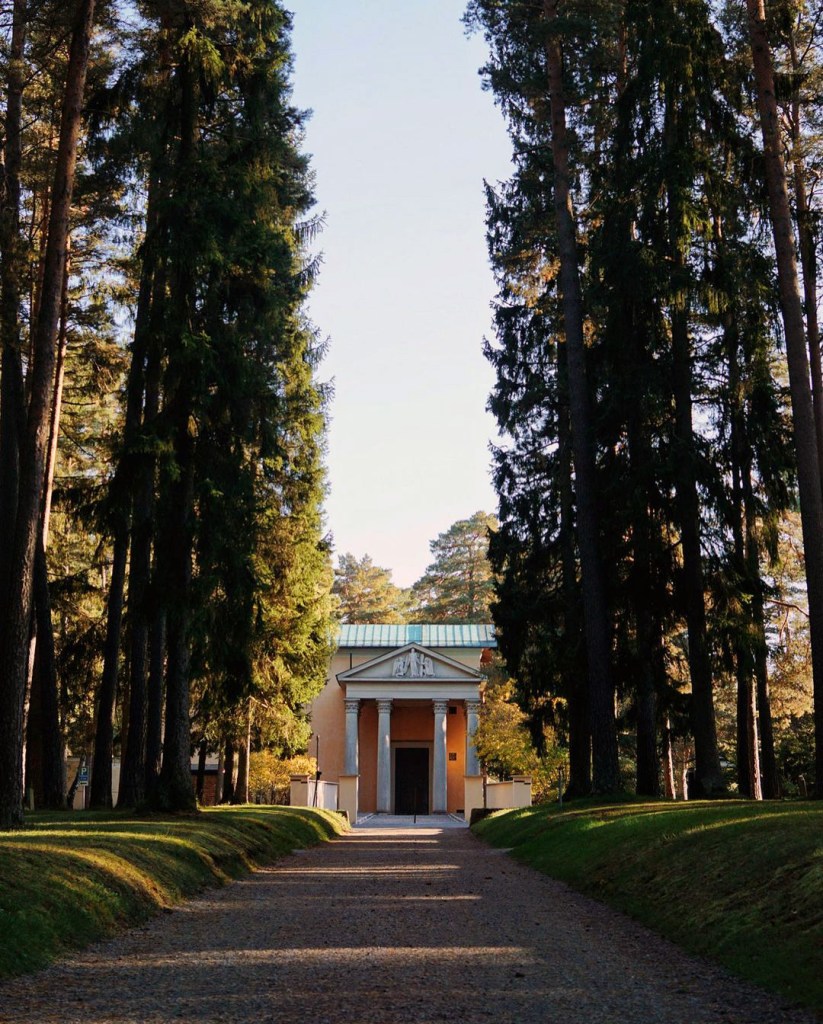
The Chapel sits at the end of a 900m long axis through the trees of the cemetery, which its portico addresses directly. The main internal sacred space behind it is placed at a slight angle to it, with a slim triangular gap between the two building elements. This allows the portico to be read as an ancient classical ruin, which has been discovered amongst the woods with, behind it, an unpretentious rendered contemporary barn-like enclosure for the main chapel space.

The chapel itself is therefore entered on one side at the back, with mourners turning sharp left on entry to see the coffin sitting in the centre of the space on a simple stone catafalque in front of the altar, which provides a full-stop to both the visitors’ journey of approach and to the journey of the deceased. The coffin is lit from the side by a vast, south-facing window which provides the entire space with ever-changing light and a focus for the ceremony. There is no fixed seating and mourners simply gather around the coffin as they might once have done centuries before, in some forest glade.
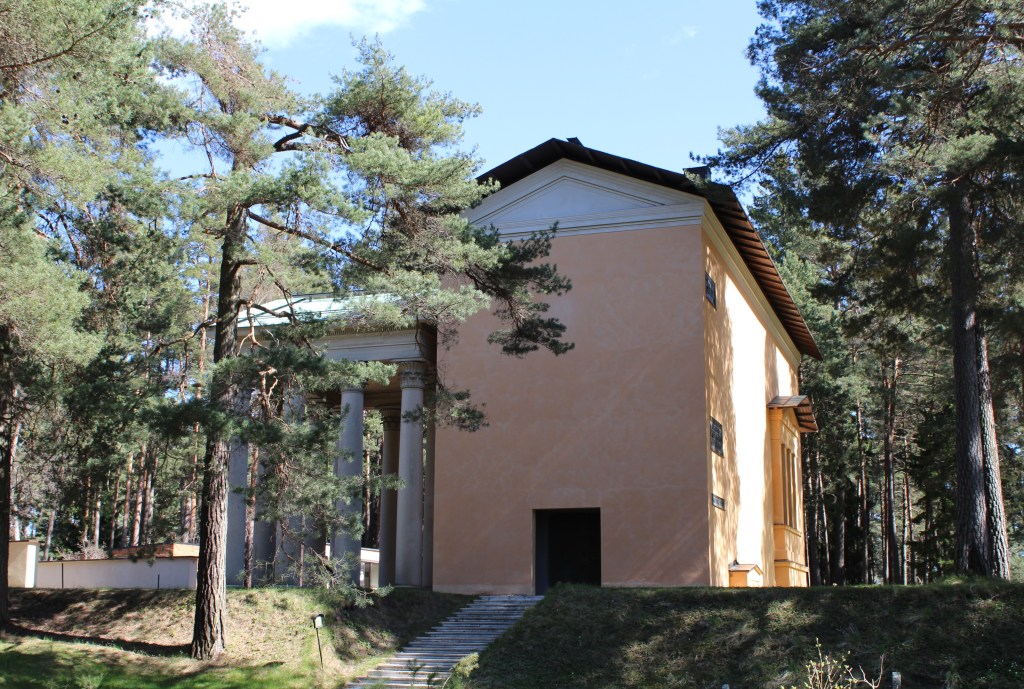
After the ceremony, the exit is through the rear wall opposite the altar and the congregation walk down into a small clearing in the woods to reminisce before they disperse. The parallels between St Mark’s, St Peter’s and this chapel are in fact much stronger than the apparent contrasts – the careful use of natural light to provide particular emphasis to the ritual, the importance of route and its impact on the emotions, the eternal nature of so many human activities and Lewerentz’s profound understanding of life and the human spirit.
You can read more about Sigurd Lewerentz and his Chapel of the Resurrection in my book Nordic Classicism, and if you don’t want to miss out on further blogs then please follow me on johngooldstewart.com
 John Stewart