Masters and Pupils
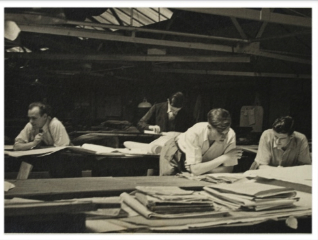
While architectural pupillage has been almost entirely replaced by full-time architectural education, most aspiring architects still aim to spend some time in the office of an acknowledged master of their craft. It’s a kind of post-graduate education in the practicalities and realities of architectural practice that the schools of architecture never quite get to, as well as being an opportunity to contribute to and witness the production of great architecture.
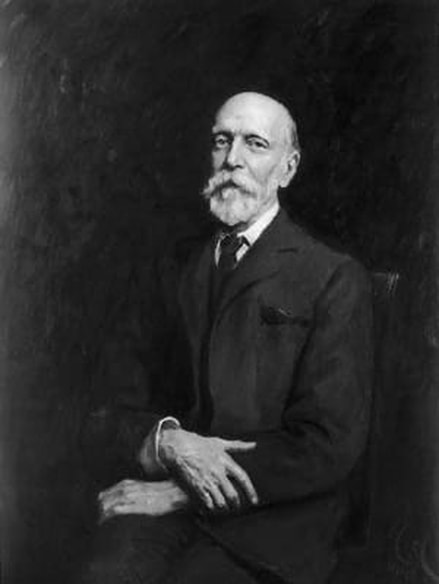
Through the generations, several architect’s offices have been prolific, not only in the quality of their architectural output, but also in the number of their outstanding assistants who have gone on to found their own practices and deliver excellent work themselves. Perhaps the most notable of these in the UK was the office of Ernest George (1839-1932), who himself won the RIBA’s Gold Medal in 1896. Such was his output of successful protegés that his office became known as ‘The Eton of Architects’ and he produced not only the first female member of the RIBA in Ethel Charles, but also three further RIBA Gold Medallists in Edwin Lutyens, Herbert Baker and Guy Dawber.
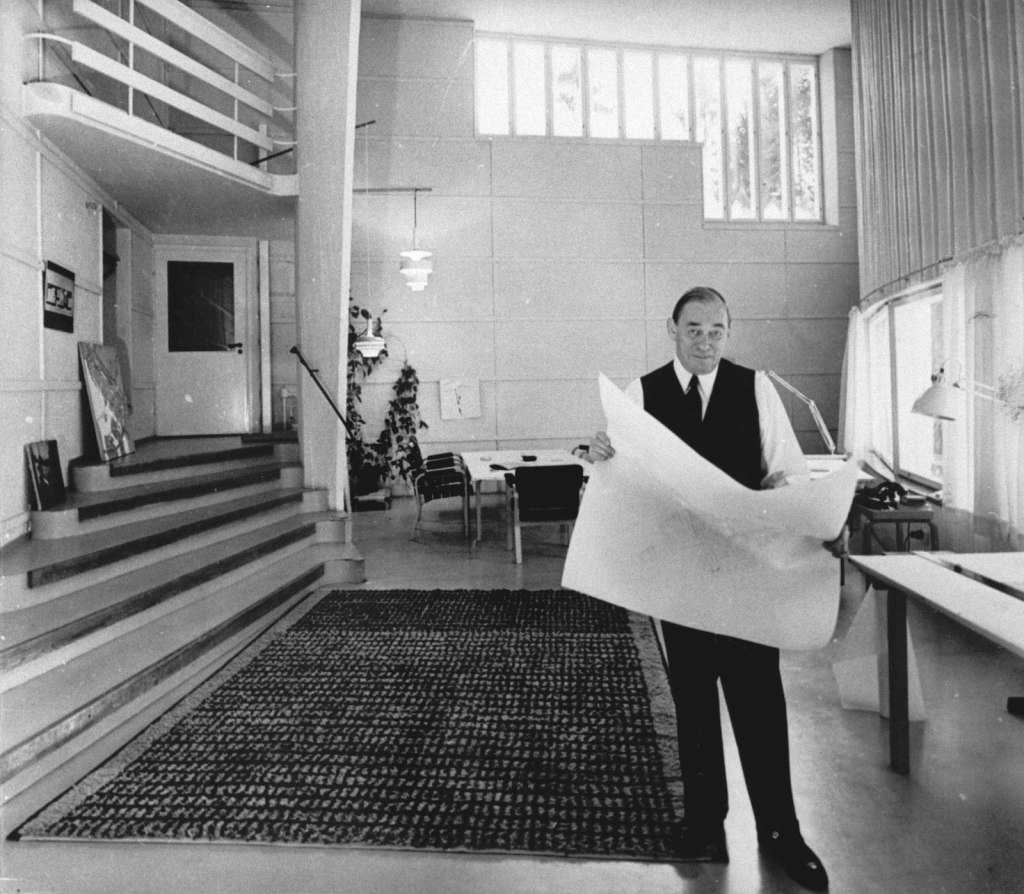
In more recent times the great Alvar Aalto’s office produced Kristian Gullichsen and Arne Ervi as well as Viljo Revell, the architect of Toronto City Hall and Jorn Utzon of Sydney Opera House fame, and both Norman Foster and Richard Rogers have inspired a generation of British architects including Chris Wilkinson, John McAslan, Amanda Levete and a further RIBA Gold Medallist in David Chipperfield.
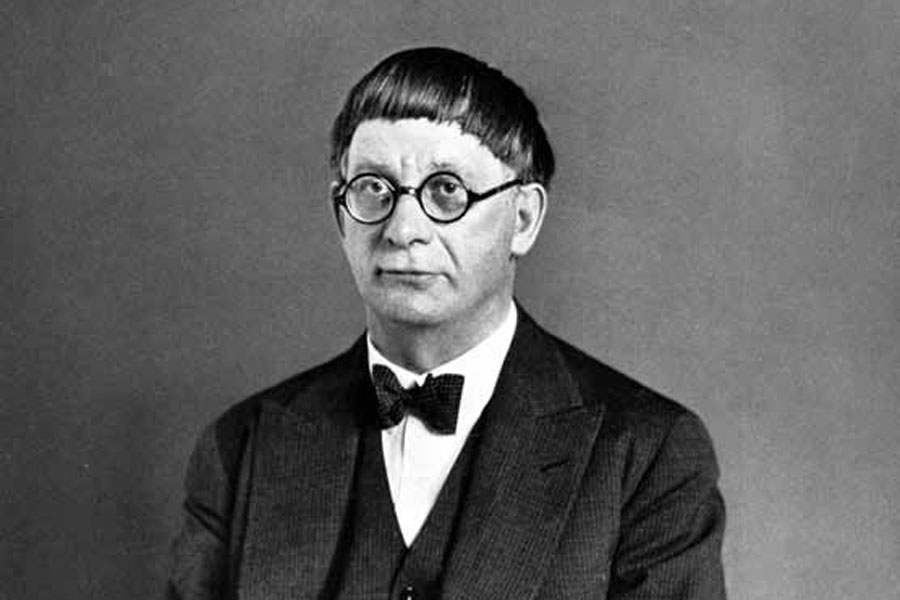
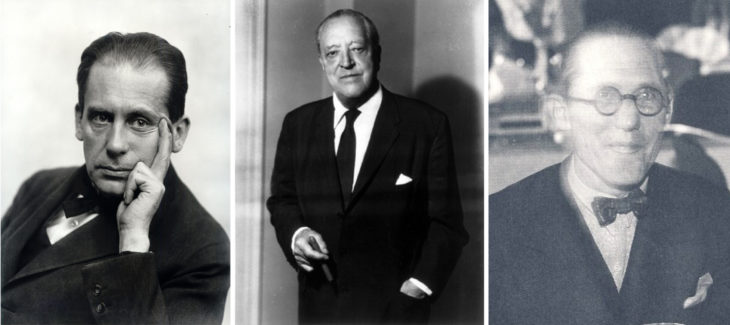
Perhaps the most impressive of them all however is the office of the German architect Hans Poelzig (1869-1936) who, believe it or not, counted amongst his assistants, Mies van der Rhoe, Walter Gropius and Le Corbusier, with all three actually being in the office at the same time between October 1910 and March 1911. I wonder who made the tea?
If you don’t want to miss out on further blogs then please follow me on johngooldstewart.com
 John Stewart