Cardross Seminary
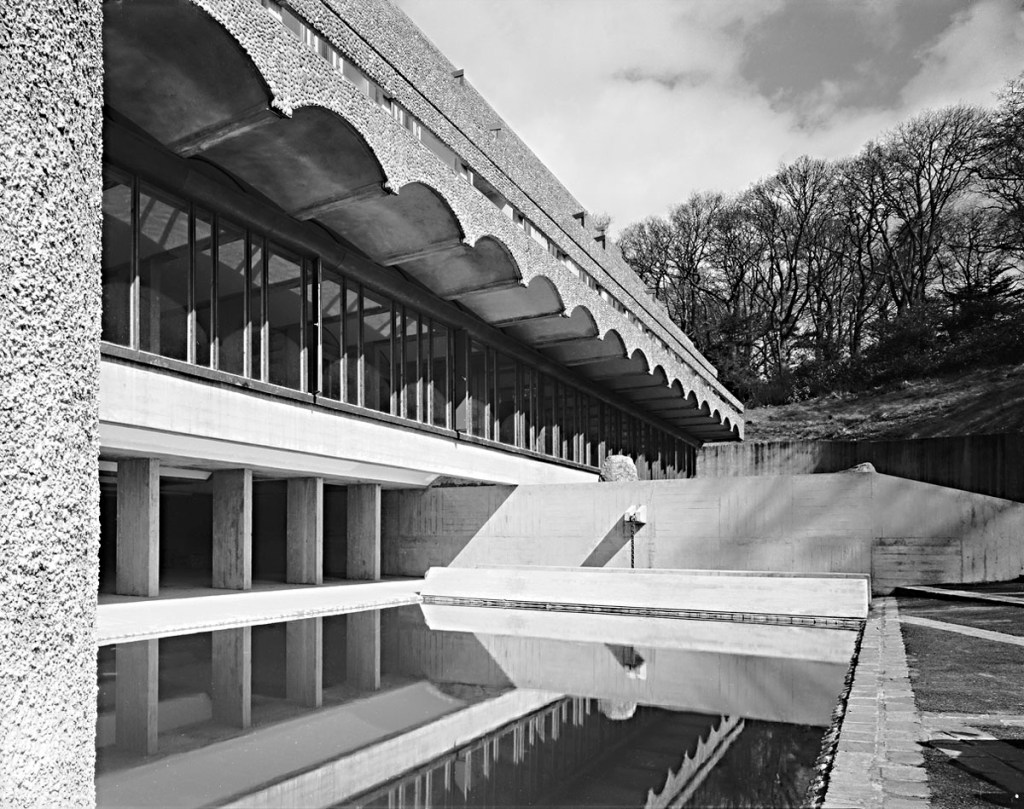
Cardross Seminary, or to give it its correct title St Peter’s Seminary by Scottish architects Gillespie, Kid and Coia (or in reality Andy MacMillan and Isi Metzstein) was sadly doomed from the day it opened its doors to welcome trainee priests in 1966. Commissioned in 1958, by the summer of ’66, the number of candidates for the priesthood had already begun what was to be an inexorable decline and the building never came close to its designed capacity of 100 students. It was, it’s worth remembering, also riddled with technical problems and like several other pioneering buildings of this period, leaked extensively. Despite the challenges, it limped on, before finally closing as a seminary in February 1980.
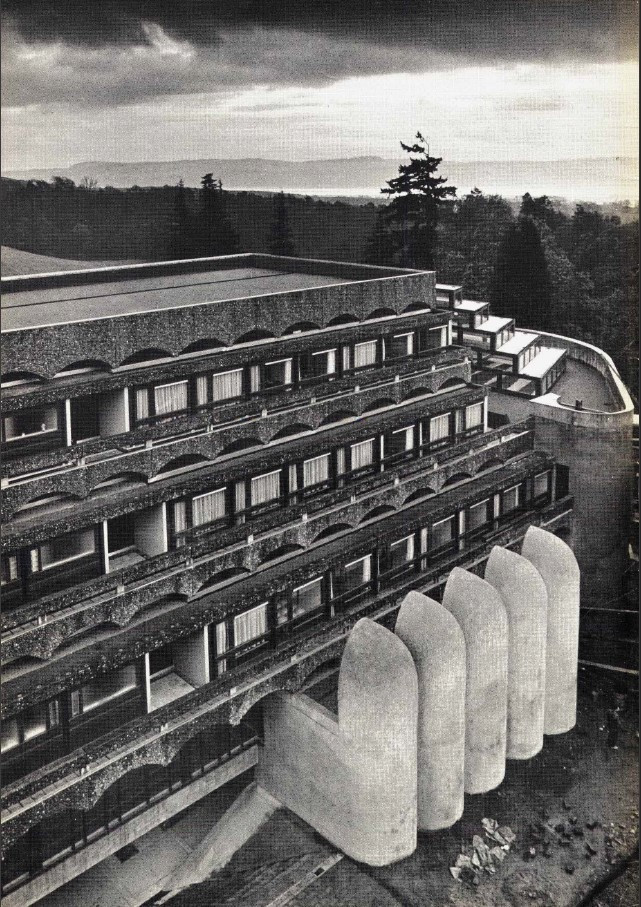
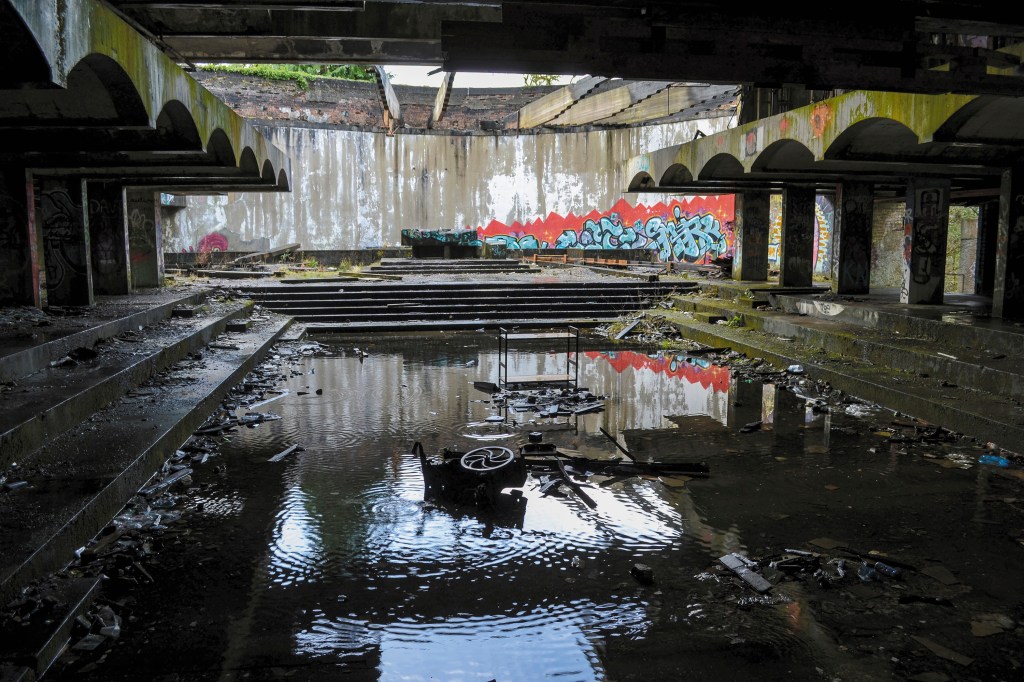
Thus began its long and painful search for a new role in life, starting as a drug rehabilitation centre in 1983, but such was the state of the buildings by then that within a year they were abandoned, fenced off and left for the amusement of local vandals. In an effort to save them from demolition, and despite their already ruinous state, their admirers achieved their Grade A listing in 1992, thus leaving their owners, The Roman Catholic Church, with what they described as an “albatross around our neck” which they had a responsibility to maintain, secure, and insure, but which they could neither sell, give away, or demolish.

Since then, various grant-funded groups have come up with a wide range of proposals from ‘Invisible College’ to Arts Venue, for which they have all attempted unsuccessfully to raise further funds, initially to restore the buildings and more latterly simply to make them safe. Last year, the Glasgow Diocese finally managed to transfer ownership of the entire estate in which the building sits to the Kilmahew Educational Trust Ltd, who have stated that they ” simply need to develop a viable vision, with education at its core, and execute the plans that develop from that to the best of our abilities”. Please excuse my cynicism if I add the Kilmahew Trust to the long list of previous well-meaning groups who have attempted to restore this wreck and been equally strong on rhetoric and weak on generating funding. As of today, the estate remains closed due to public safety concerns.

50 years ago, these buildings were an outstanding example of Scotland’s best post-war architecture. Excellent as they were, they were neither “a building of world significance” as has been claimed, nor “as important as Charles Rennie Mackintosh’s School of Art” (which actually was a building of world significance). Unlike Le Corbusier’s priory – ‘La Tourette’ – from which they drew their inspiration and which itself receives tens of thousands of international visitors every year, they are largely a local architectural obsession. Realistically, there is no prospect of them ever being restored and in their present graffiti-adorned shambolic state they are certainly not the romantic ruin which was Isi Metzstein’s last hope for them. They are well documented, were comprehensively photographed on their completion, and so before any further public money is spent on them, I think the time is now long overdue – to let them go.
If you don’t want to miss out on further blogs then please follow me on johngooldstewart.com
 John Stewart