The Death of the High Street
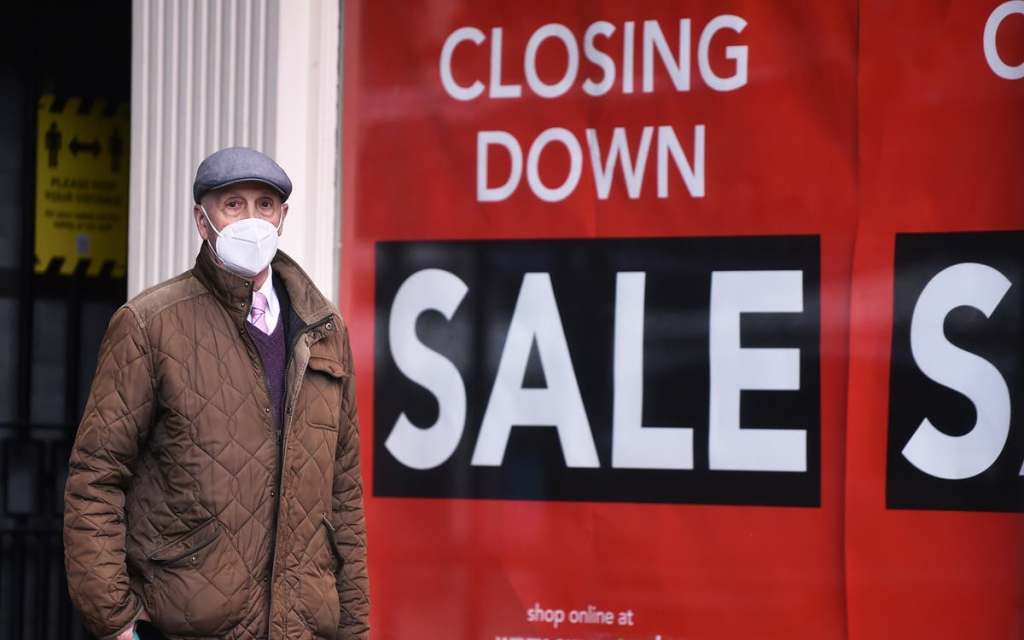
Apparently, our High Streets across the UK are in terminal decline. Largely as a result of the pandemic, ecommerce grew by 46% in the UK during 2020 and for many people it’s a new, incredibly convenient (and entirely anti-social) habit which will stick. Traditional retail is said to be doomed and it seems like every week another well-known household name is placed in the hands of the receivers. Apparently, if it carries on like this our shopping centres will be filled with nothing but charity shops and nail bars and civilisation as we know it will be pretty much over – but for most of their history, our town and city centre streets didn’t used to be exclusively retail.

Princes Street in Edinburgh is, I would immediately acknowledge, rather special – a single row of shops facing one of the most spectacular urban views in Europe, but in many ways, it is also a typical British High Street. Most of its buildings have been there for over 100 years and during their life they have already served several different functions including their current retail use, indeed in the past, Prince Street was a much richer mixed-use environment than the wall-to-wall retail that it is today.
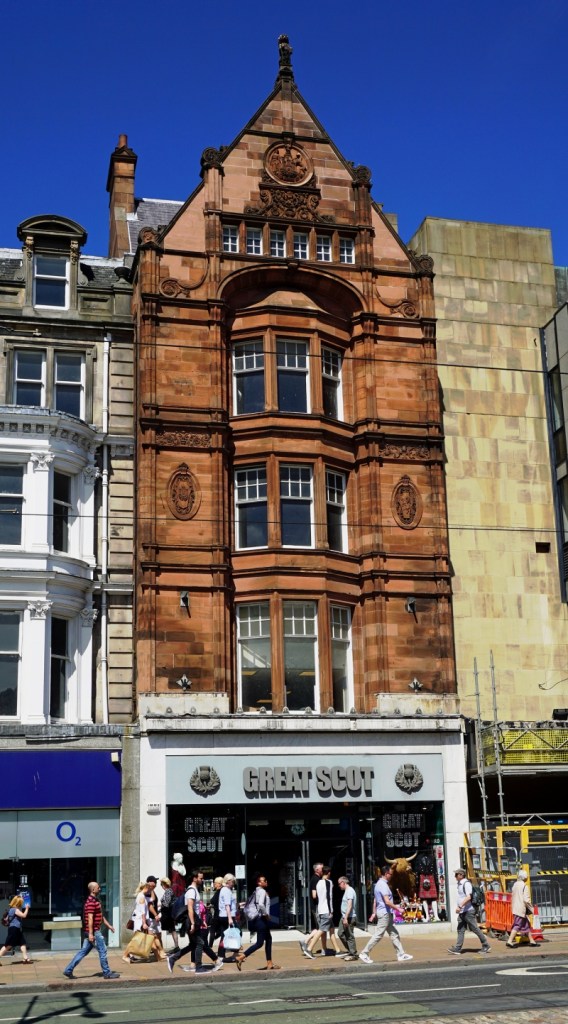
Take the very elegant number 70-71 for example, which is currently one of the many tourist junk shops that have become such a significant part of Edinburgh’s retail scene in recent decades – it was originally designed as a café over several floors and just as easily could be again, catering for tourists’ refreshment, rather than their apparently insatiable demand for fridge magnets, one-size-fits-all kilts or miniature highland cows.

Zara, at numbers 104-5, was originally built as a hotel and could be again. Like 70-71 and most of the other historic buildings in the street, it’s been cut off at the knees, with its ground floor entirely replaced with as much plate glass as possible, reminding one of the old adage – “never mind the quality, feel the width”. Its sandstone bays could easily be extended downwards once more and an elegant new central entrance recreated.

At number 60, we have part of Edinburgh’s branch of Marks and Spencer’s, which was originally built as a shop over several floors in 1903, and again, like Zara, could easily have its ground floor windows reinstated and serve either as a shop once more, or it too could be a café or boutique hotel or be converted into apartments – plenty of demand for all these uses in central Edinburgh.
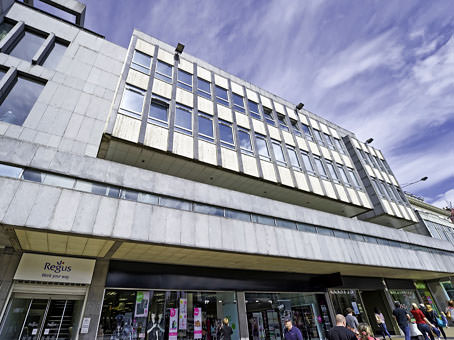
At number 83, we have good old ‘Superdrug’ in a building from the 60’s, of which there are a number on the street. As was the norm during this period, its designer started with a blank sheet of paper – erasing the stunning sandstone Italian Renaissance Palazzo that stood here – and it represents what was the strategy for the entire street at this time, namely demolishing all the existing buildings and replacing them one by one with similar slabs, to eventually create a continuous first floor balcony which would provide another ‘shopping street in the air’. My tutors in Glasgow used to bemoan the conservatism of Edinburgh – as it turns out, it’s what saved most of the city.
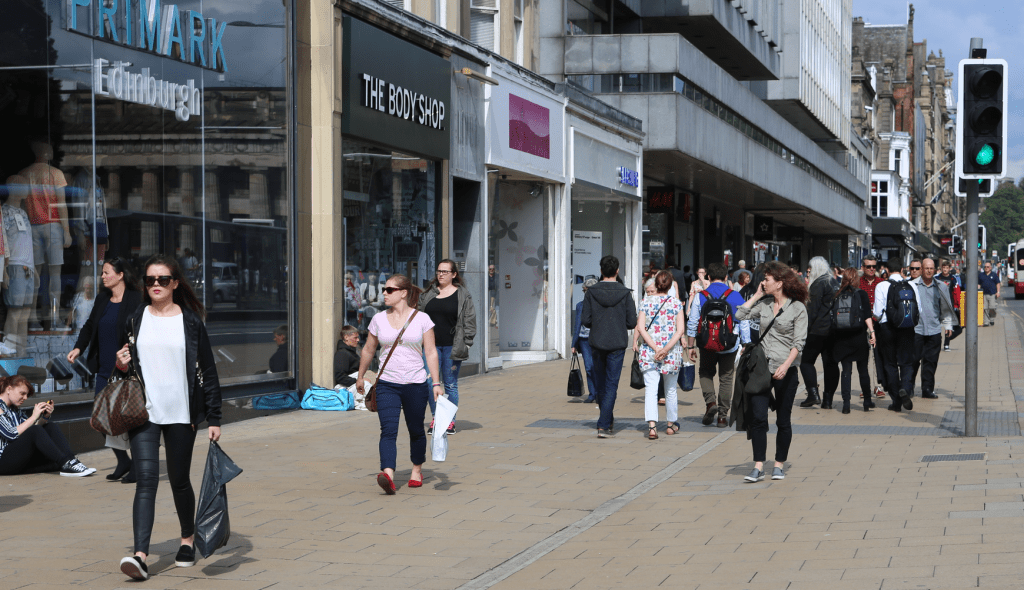
At ground level the net effect is a banal shopping environment which is typical of every High Street in Britain with sheet glass, plastic signs and retail chains from end to end. Less of this and a few more apartments, cafés, hotels and independent shops would provide both a much richer experience and a much more sociable town centre environment where you could have a coffee or a glass of wine while doing much of your shopping on your phone.
If you don’t want to miss out on further blogs then please follow me on johngooldstewart.com
 John Stewart