
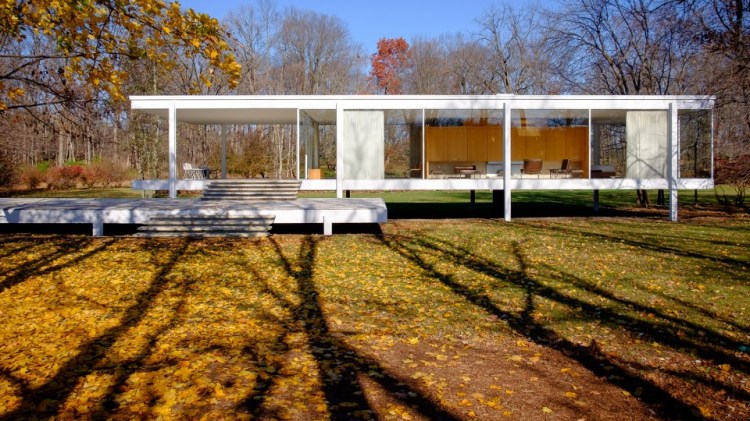
The Farnsworth House is, without doubt, one of the most iconic and influential buildings of the Modern Movement in which Mies van der Rohe completely dissolved the walls of this house to create an uninterrupted connection between the interior space and its unsullied surrounding landscape. It has spawned imitators across the globe since its completion in 1951 with almost every modern architect apparently aspiring to recreate this relationship between interior and exterior space – between the private and the public world and between man and nature. For many architects, its purity, its clarity and rigour and those extraordinary floating planes created by Mies’s apparently perfect resolution of every detail, remain as seductive as ever.
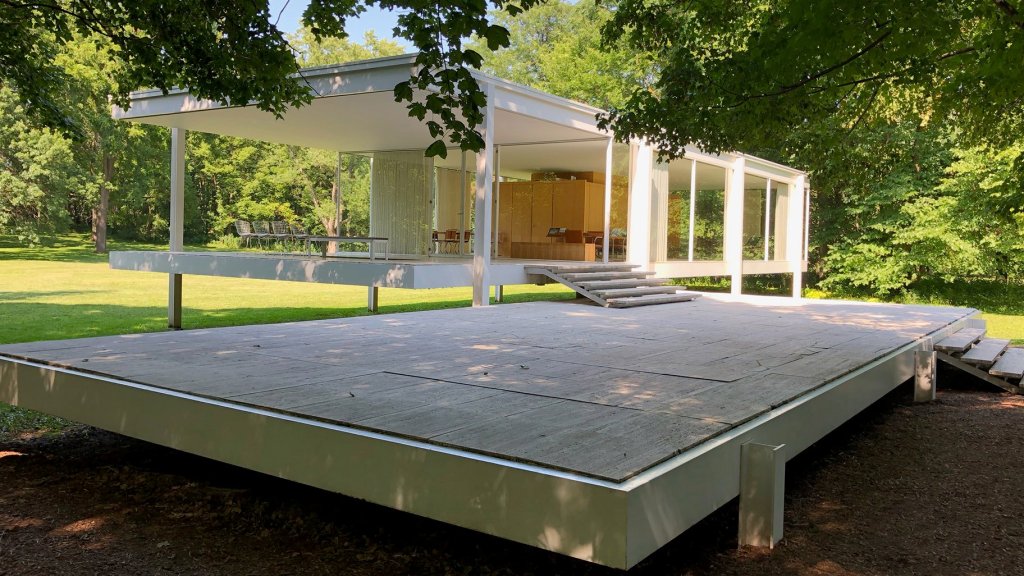
The problem is that, as Mies’s client Dr Edith Farnsworth very quickly found out, while it’s a fascinating place to visit and a truly remarkable and beautiful object, it’s a deeply uncomfortable space to live in. Despite sitting in the centre of a sixty-acre wooded site, even in daylight the perception of being overlooked is overwhelming, while at night when inhabitants are simply surrounded by black glass, it is quite impossible to relax. It provides no shelter, or sense of security and fails to respond to almost any of the most basic psychological human needs required of a domestic interior.

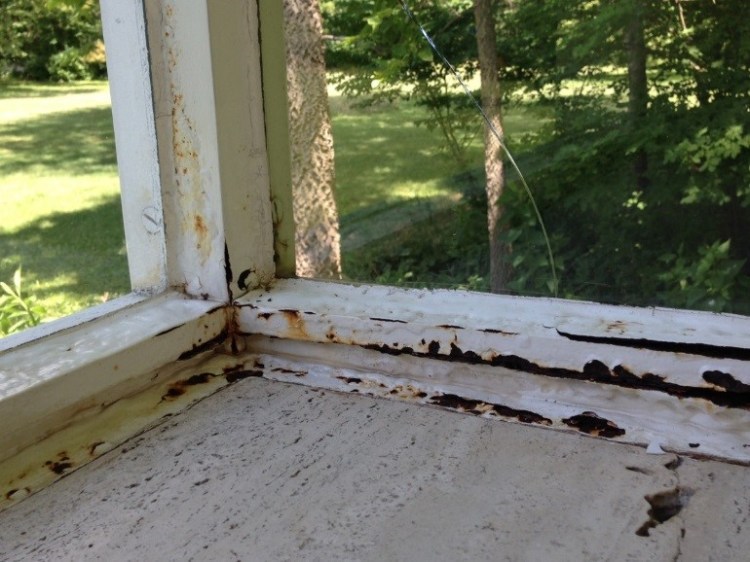
Dr Farnsworth sued Mies and lost (having approved his drawings) and thus used it as an occasional retreat for the next 20 years, but the problems were unending. When illuminated at night, it acts as a lantern, drawing swarms of mosquitoes, moths and architectural students to its glass. It has always leaked, and despite being raised above the ground, has been flooded on several occasions. It overheated unbearably in summer and the amount of energy required to heat it in the winter was ruinously expensive and is now obscene. Its steel columns rust and have to be regularly sanded and repainted and almost every original element of the building has had to be replaced during its short life.
Despite all this, it is still regarded as one of the greatest examples of 20th century architecture and continues to receive almost unanimous critical acclaim with flocks of architects from around the world still visiting every day that it is open. Fortunately, it’s now a museum, run by the National Trust for Historic Preservation and despite the cost, they maintain it in pristine condition. It continues to be a truly fascinating place to visit and savour – just a shame it was such a hopeless failure as a place to live.

If you don’t want to miss out on further blogs then please follow me on johngooldstewart.com
 John Stewart