Richard Norman Shaw

I was recently looking through the list of recipients of the RIBA’s Gold Medal to check in which year the great Richard Norman Shaw won it and couldn’t find his name. Shaw (1831-1912) is just one of the many giants of our profession who produced architecture of outstanding quality and about whom you’ll hear next to nothing in your school of architecture. He dominated the last three decades of the nineteenth century in Britain as the most brilliant practitioner of his generation (to such an extent that the young Edwin Lutyens was utterly devastated when he failed to win a pupillage in Shaw’s office and such was Lutyens lifelong admiration of Shaw, whom he regarded as the equal of Christopher Wren, that he later leased Shaw’s old office at 29 Bloomsbury Square as his own office and home).

Born in Edinburgh, Shaw’s family moved to London when he was fourteen and within a few years he was accepted as a pupil of the great Scottish country house architect William Burn, while studying under Charles Cockerell at the Royal Academy School. After further work with Anthony Slavin and G.E. Street, he finally set up in practice with Eden Nesfield in 1863 with Nesfield’s family connections quickly bringing the new partnership a string of commissions, which they divided between themselves and worked on entirely separately.
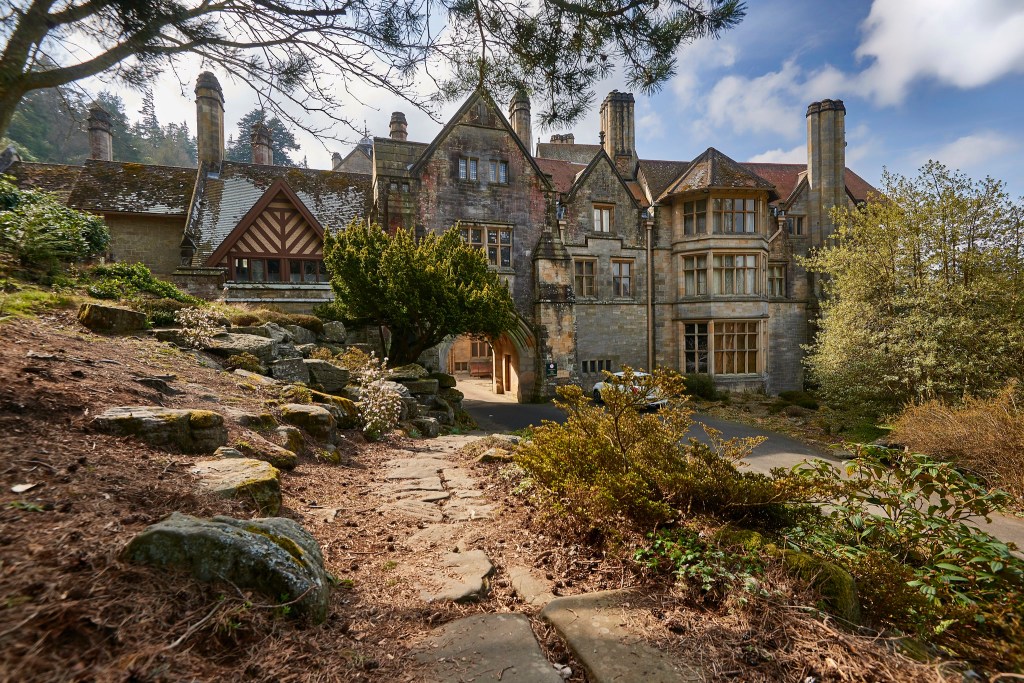
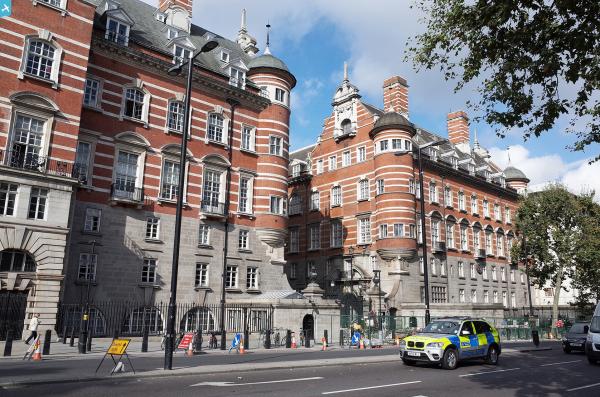
Most people are vaguely aware of Shaw’s work but probably haven’t quite connected the dots to appreciate the scale of his architectural achievements – Cragside in Northumberland, New Zealand Chambers in London (since destroyed), 170 Queens Gate in London (which established the Wrenaissance style, usually credited to Lutyens), New Scotland Yard, Bryanston House in Dorset and his last great work, The Piccadilly Hotel in London – more than enough, I’d have thought to deserve the Gold Medal.
What I discovered was that this tall, quiet, modest Scotsman had actually declined the award of the Gold Medal on three occasions, wishing to have nothing to do with his fellow architects who aimed to turn what he regarded as the finest of the arts into a trade or profession. He believed that architects should learn as pupils of a master and that their natural home was as members of the Royal Academy of the Arts, not the Institute of Architects, and he advised his own pupils that “if you elect to be an architect, you choose one of the noblest as well as the most delightful pursuits – always supposing you follow it nobly and as an art.”

If you don’t want to miss out on further blogs then please follow me on johngooldstewart.com
 John Stewart
I hope that’s your next book, John.
Still on my bokshelf is Mark Girourd’s Sweetness & Light (Queen Anne style) from 1978 -when I’m sure I was still well into student-debt status, with not enough of Shaw’s projects but all there was at the time.
Regards
Colin
LikeLike