Baker and Lawrence
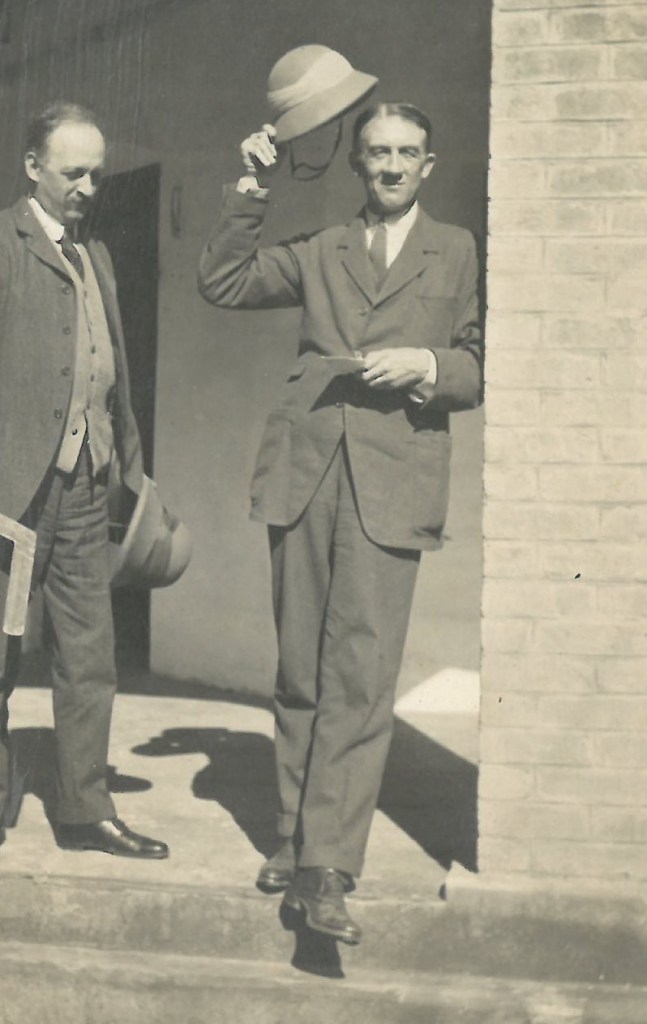
The architect Herbert Baker has always had something of an image problem. Edwin Lutyens and his supporters consistently referred him as “a dull committee man” but the reality could not have been further from this rather cruel characterisation. Baker was much better educated and better read than Lutyens and was also much more interested in current affairs, counting many of his leading contemporaries as friends. He was a confidante of Cecil Rhodes, the wealthiest and most powerful man in Africa, John Buchan, the author and politician, Lord Milner, a member of Lloyd George’s five-man First World War Cabinet and was able to converse with them all as an equal, (rather than, like Lutyens, amusing their wives with his puns). Perhaps the most surprising of these relationships however, was between Baker and T.E. Lawrence, or Lawrence of Arabia, as he became better known.
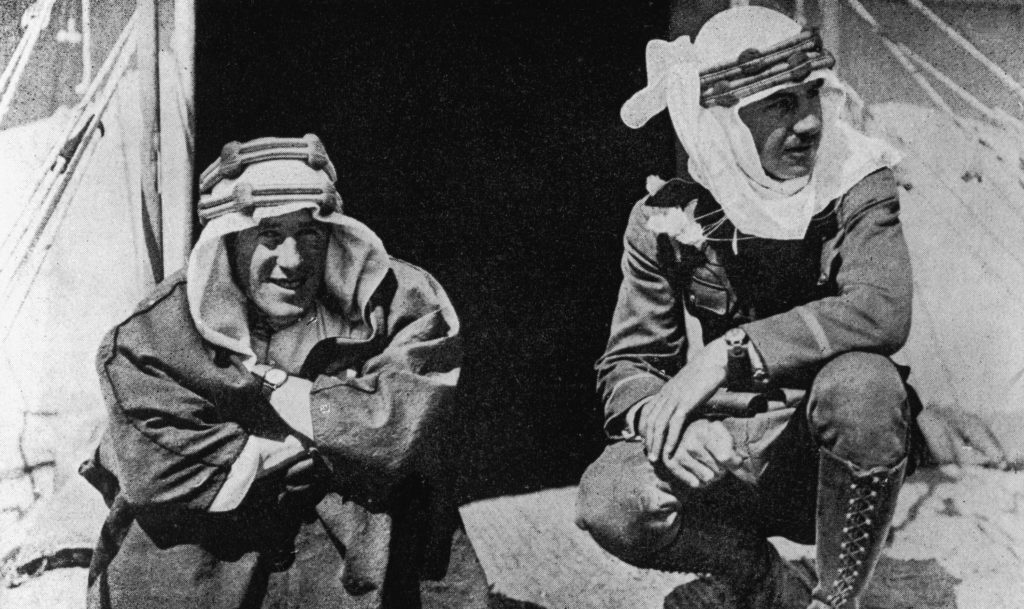
The two met at dinner after evening chapel in New College Oxford and, finding a common interest in archaeology, conversed easily leading to an unlikely friendship between the eminent architect and the leader of the Arab Revolt. Baker offered Lawrence a trustworthy companion, while Lawrence to Baker was simply one of the greatest heroes of Imperial Britain. During the following years, Lawrence’s fame grew and as with many modern-day celebrities, he was soon hounded by the press wherever he went. Baker offered him the use of the flat above his office at 14 Barton Street in London when Lawrence was in town and the two would often stroll around Westminster together in the late evenings when the crowds had dissipated.

After the theft of Lawrence’s draft manuscript of ‘The Seven Pillars of Wisdom’ (his record of the desert campaign) in 1920, Baker offered him the peace of the Barton Street flat to rewrite his book, where he lived for almost a year, with the office staff all sworn to secrecy. So effective were they in guarding Lawrence’s privacy during his stay that the office boy even turned away George Bernard Shaw who called to visit, telling him he’d “never heard of him.” The two men remained close during what remained of Lawrence’s life, corresponding regularly and with Lawrence often visiting Baker in London and at his family home in Kent. At one point he even asked Baker if he could act as night watchman on the Bank of England building site as he’d enjoy the peace and solitude.
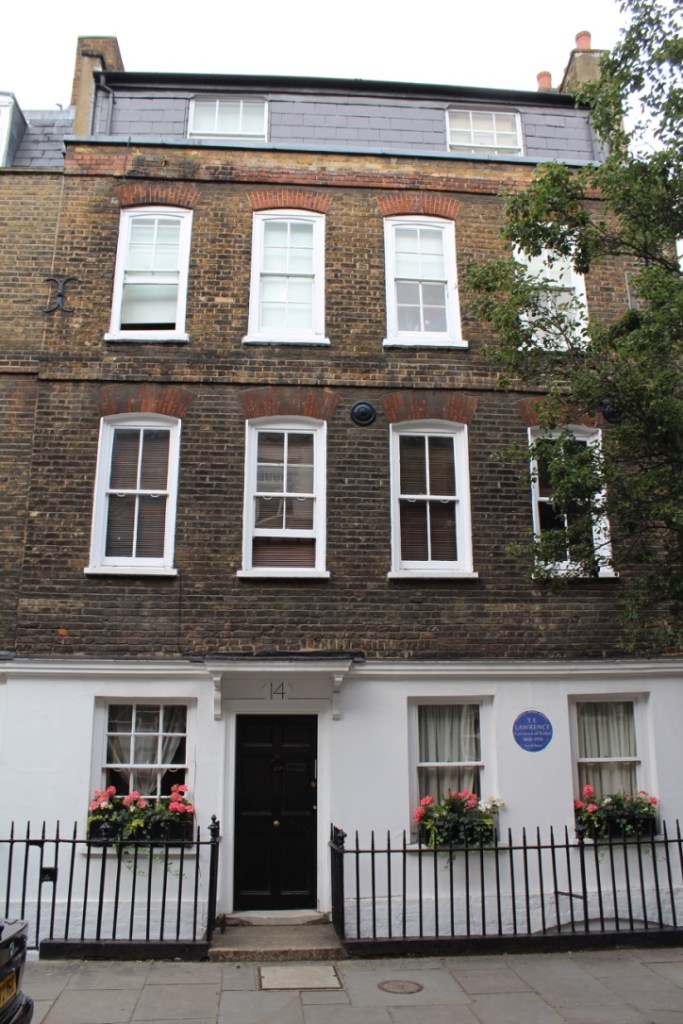
Shortly before his tragic death in 1935, Lawrence wrote to Baker, thanking him again for his friendship and adding – “I’ll always remember Barton Street, as the best – and freest place I ever lived in: and I’m most grateful to you for having let me live in it after my odd fashion”. Ironically, the office of one of Britain’s most prolific architects is marked with a blue plaque confirming only that “T.E. Lawrence once lived here.”
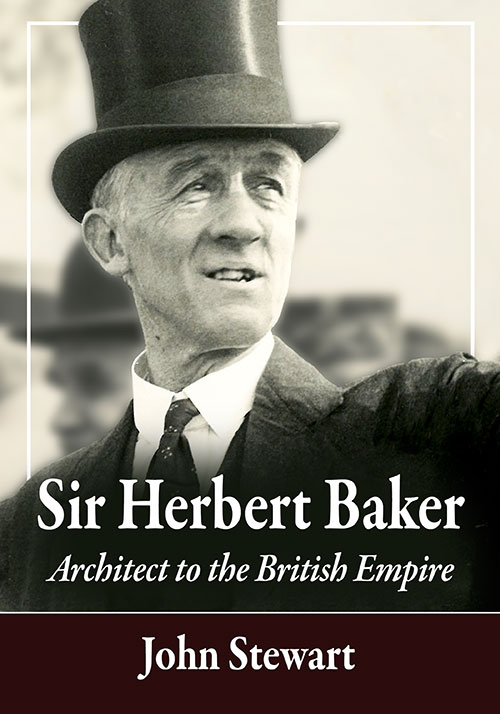
My biography of Herbert Baker is due for publication later this year. If you don’t want to miss out on further blogs then please follow me on johngooldstewart.com
 John Stewart