The Palace of Westminster

The Houses of Parliament, or to give them their correct title, the Palace of Westminster, are currently at an early stage of a long overdue refurbishment. Their official title reflects the purpose of the original buildings on the site which served as the palace of the Kings of England from the 11th to the 16th centuries before their move to the nearby Palace of Whitehall and their more recent occupation of Buckingham Palace. The Parliament of England and the Royal Courts of Justice had met on the site since the 13th century and continued to do so until the 19th century, when George Street’s Law Courts were built on The Strand.

Almost all the current Parliament buildings date from the middle of the 19th century, when they were constructed following a devastating fire which swept through the existing buildings on the 16th of October 1834, leaving only Westminster Hall, the Jewel Tower and the cloisters and crypt of St Stephen’s Chapel remaining. Robert Smirke (architect of the British Museum) was appointed to design the new buildings, but pressure from his competitors (who ran a very effective press campaign), led to a Royal Commission being established to oversee an architectural competition.
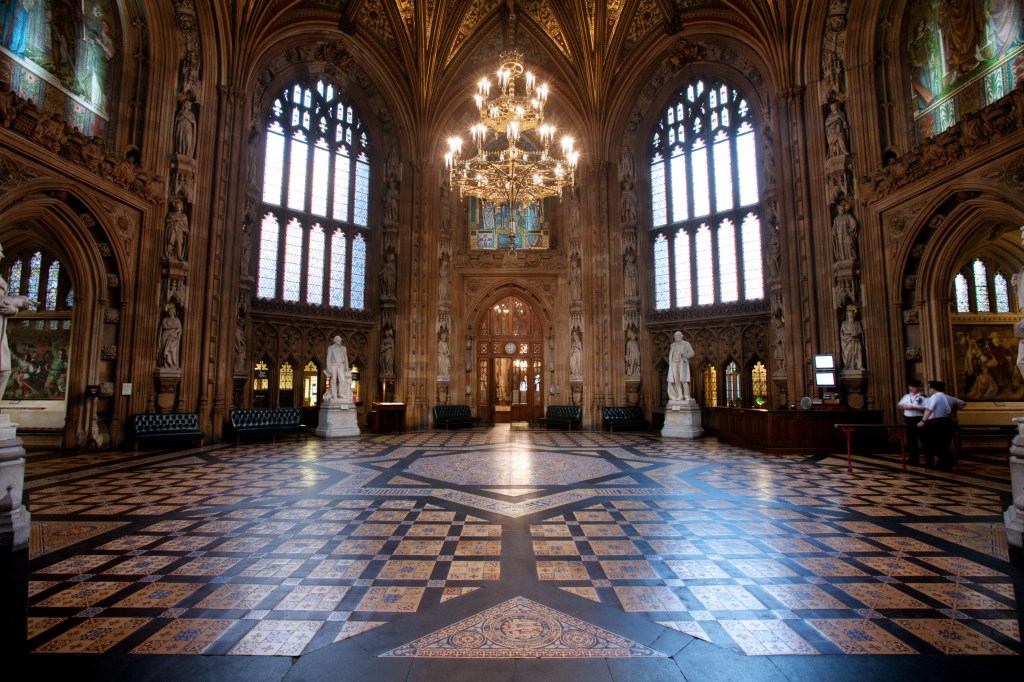
This was famously won by Charles Barry, assisted by leading advocate of the Gothic Revival, Augustus Pugin. Barry was one of those extraordinary architects of that period who could flip from his favoured Greco-Roman Classical architecture to Gothic, depending on the building type and his client’s taste and his adoption of Pugin as his junior partner for the competition proved to be a masterstroke, which won him both the largest commission of his lifetime and one which eventually utterly exhausted him by the end of its 26-year construction period.
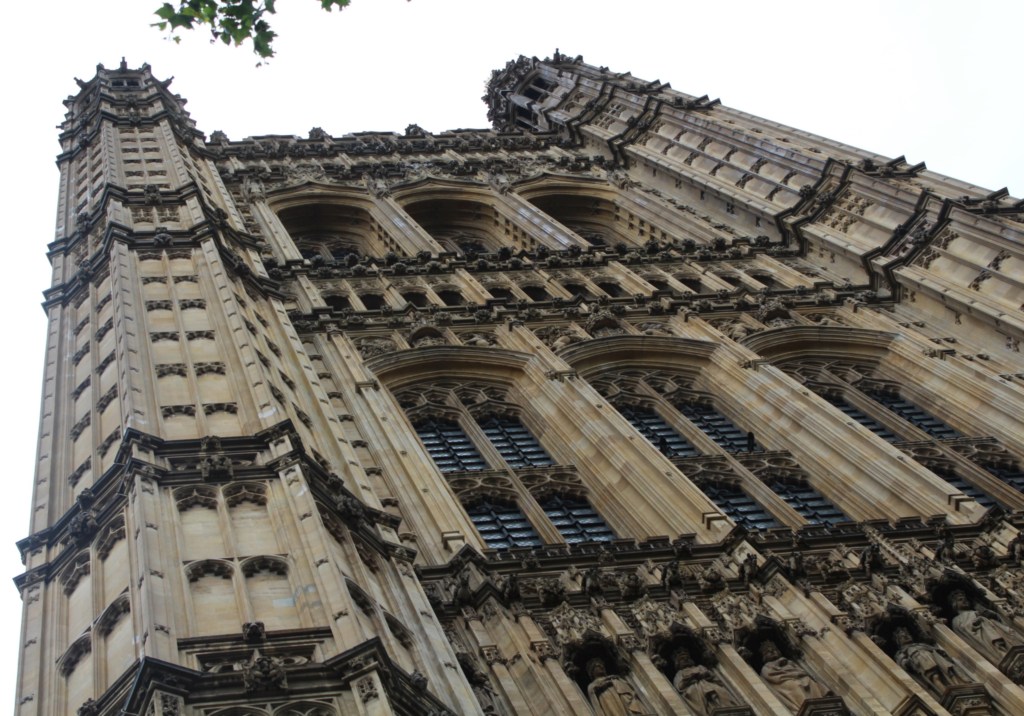
Though the reconstruction of the Palace was forced upon them, the project was seen by the Victorians as an opportunity to both celebrate the success of Britain as it moved ahead of France and Russia to become the world’s leading economy and just as importantly, to express their values to the world. The Royal Commission had prescribed Gothic to all the competitors as the most appropriate style for a Christian country and one which was rooted, not in ancient pagan cultures, but in the churches and cathedrals of the land, and Barry, (briefly assisted by Pugin before his early death in 1852), delivered his masterpiece in Late Medieval Perpendicular Gothic. Let’s hope that, refreshed, it will survive for many more centuries and continue to symbolise the home of democratic government to the world.
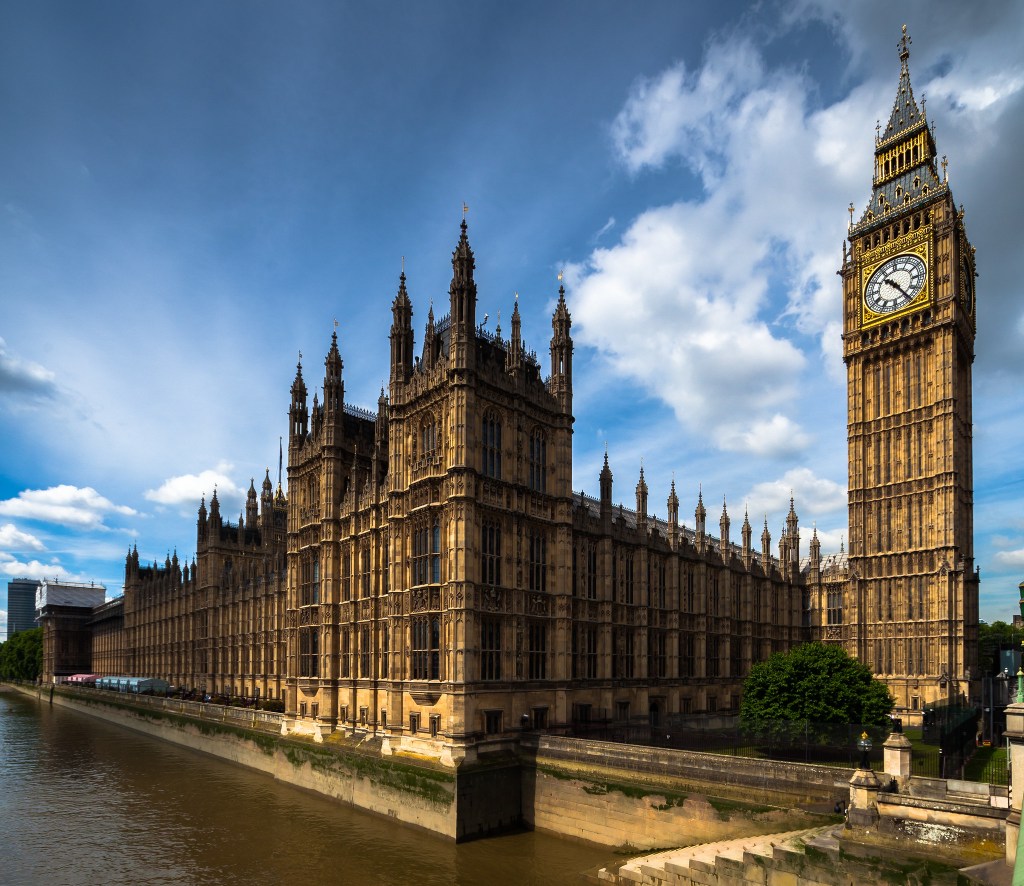
If you don’t want to miss out on further blogs then please follow me on johngooldstewart.com
 John Stewart