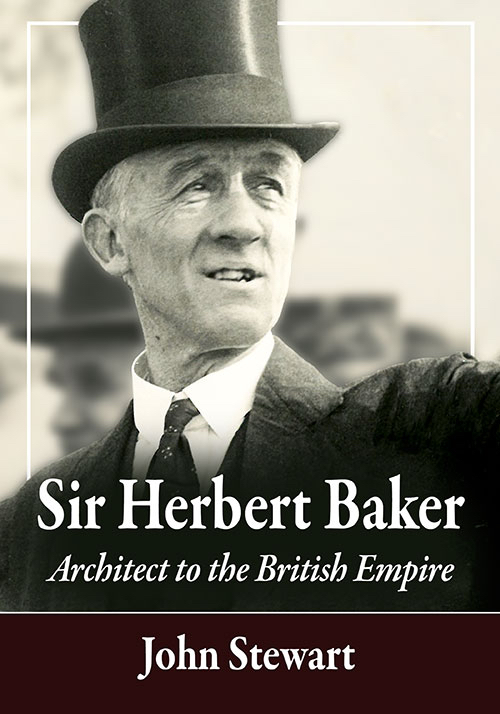
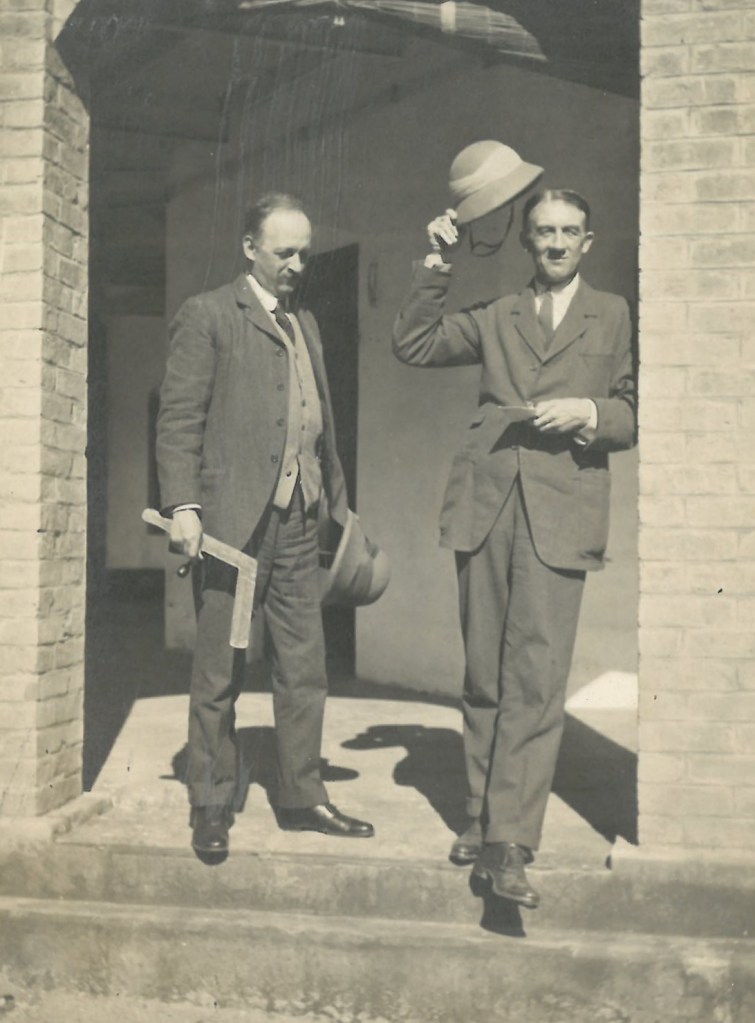
My biography of Sir Herbert Baker will finally be published at the end of this month and is now available to pre-order on Amazon and elsewhere. His life story is fascinating and little known – his best architecture is outstanding (as his contemporaries recognized) and his reputation and contribution to British architecture is now long overdue for reassessment.
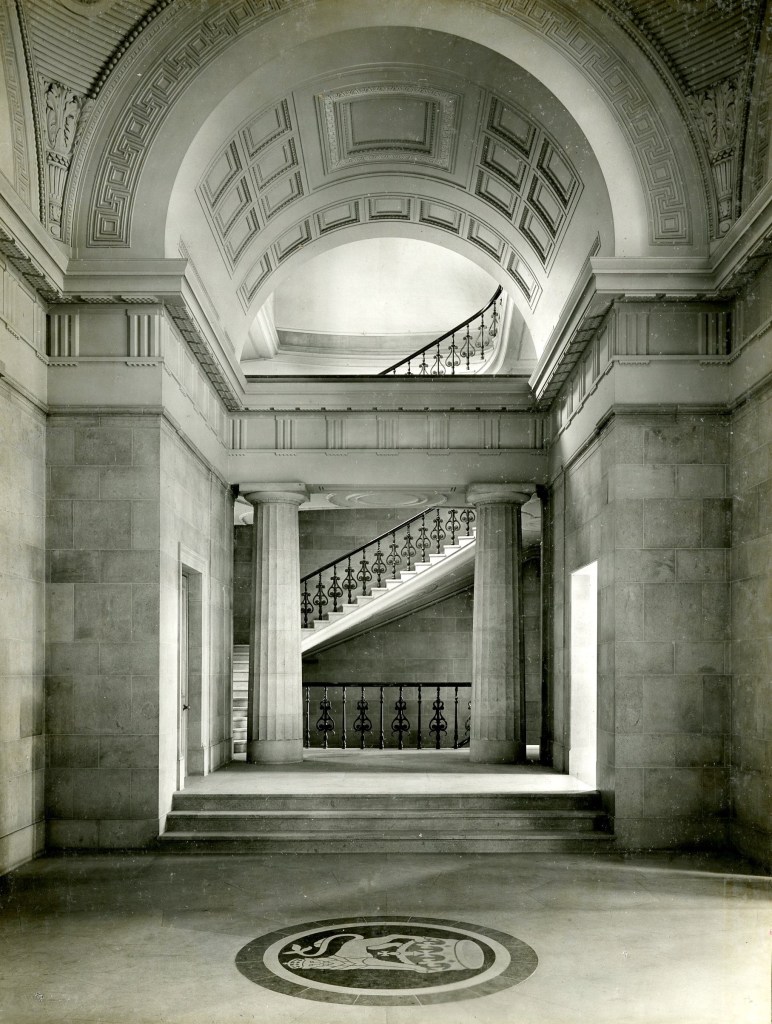
“Every Year, the Royal Institute of British Architects awards its Royal Gold Medal to an architect, of any nationality, who has made a truly outstanding contribution to the art of architecture. Their names are carved in stone in the entrance hall of the RIBA’s Headquarters building in Portland Place in London. It’s an impressive list and, in the midst of this role-call of the greatest architects of the 19th, 20th and21st centuries, is one Sir Herbert Baker, who was awarded the medal at a banquet held in his honour on the 24th of June 1927. That London summer evening of celebration represented the pinnacle of both his career and his highly-valued professional reputation, which was soon to come under sustained attack”.
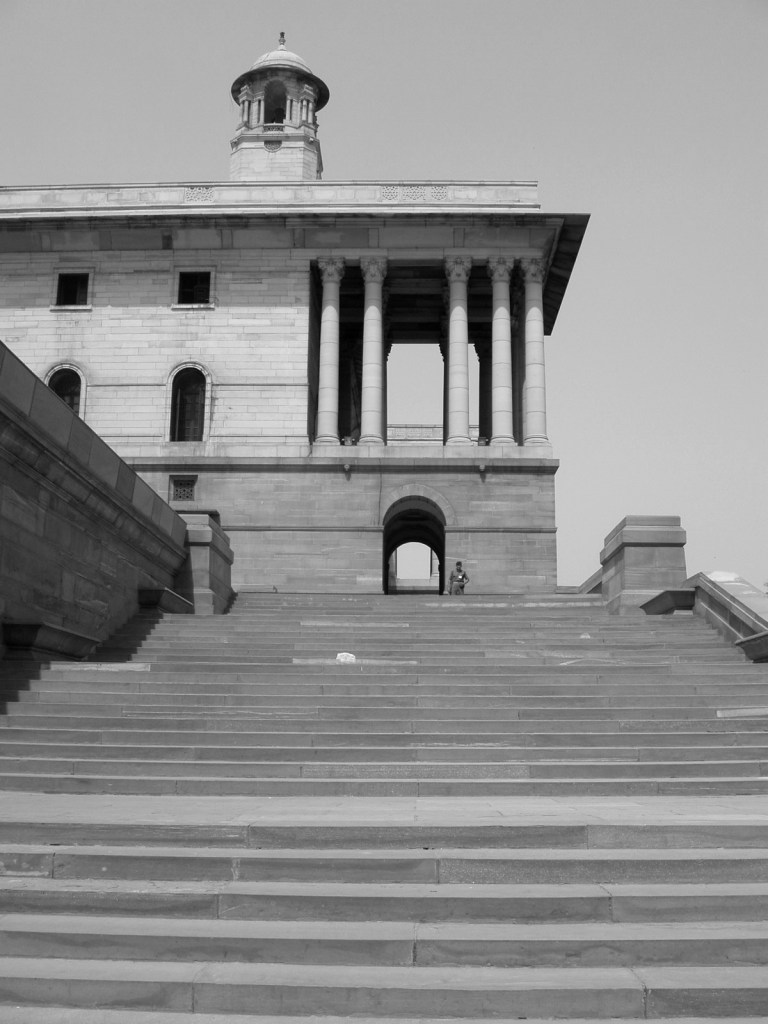
“His work is relatively little-known today and usually summed up, by those who have heard of him, as “the architect who demolished Soane’s Bank of England.” There is a vague recollection that he worked with and fell out with, Sir Edwin Lutyens in New Delhi, but in some kind of a bumbling supporting role, which nevertheless allowed him to make a mistake which damaged the great Sir Edwin’s design – “his Bakerloo” – as he wittily called it. The few portrayals of him make it clear that he lacked both Lutyens’ natural brilliance as an architect and certainly his wit, with Baker often described as a ‘dull committee man’. In South Africa, where he worked for many years, he is better known, principally as the architect of Cecil Rhodes’ house in Cape Town – which today is hardly likely to further enhance his reputation. His work is inextricably linked to the British Empire and the subjugation of its native peoples and their cultures and as if all this were not bad enough, most of his architecture is Classical and thus held in contempt by what are now several generations of Modernists who have been trained to reject the past and to regard Classical architecture as a reactionary irrelevance. Sir Nikolaus Pevsner, that pioneering Modernist and one-time arbiter of British architectural taste, dismissed Baker as “naive and arrogant”. He remains – an unfashionable enigma”.
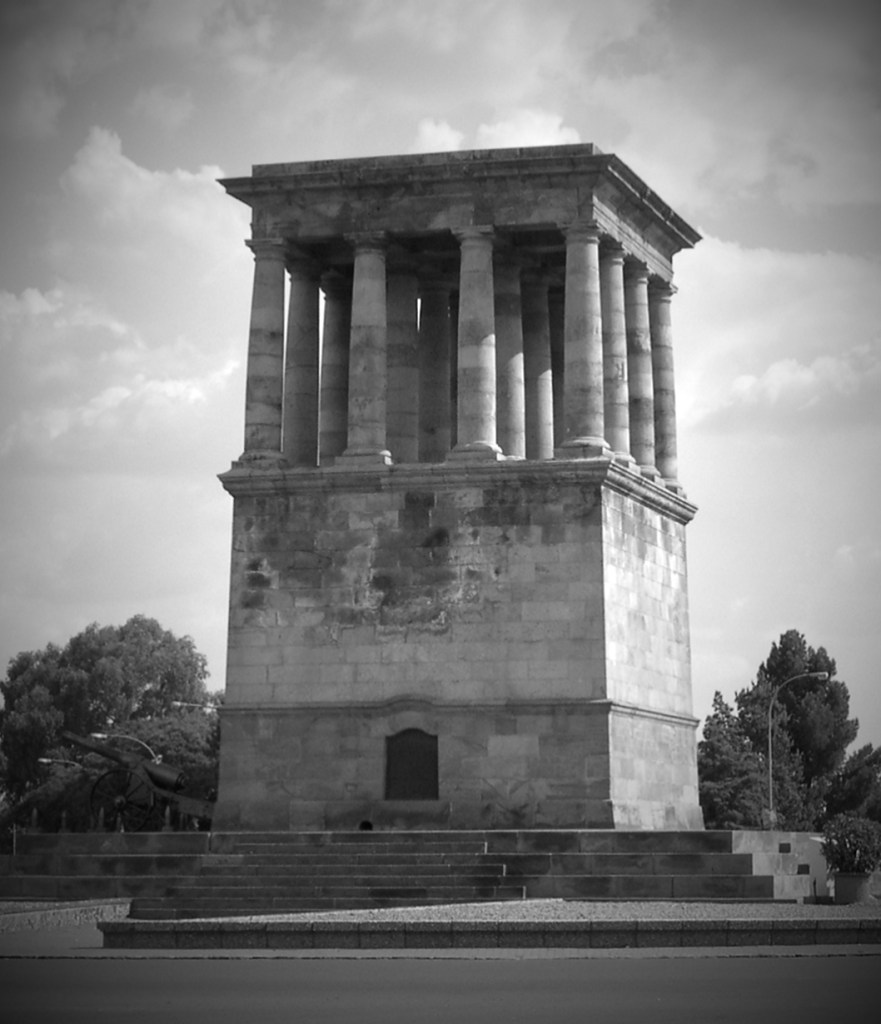
“But the more I studied his work, the more convinced I became that he was both an exceptional architect and, in the context of his age, a man of the highest integrity. More than that of any other architect, his work celebrated the British Empire, which he firmly believed to be a civilizing force for good in a violent and divided world. Far from being naive, he was a well-respected friend of many of the leading figures of his age including Cecil Rhodes, Rudyard Kipling, Jan Smuts, John Buchan and Lawrence of Arabia and far from being arrogant, his architecture consistently shows a sympathy for its setting, his clients and the users of his buildings which many of his contemporaries often lacked. He is largely responsible for saving Soane’s great encircling wall at the Bank of England, was an equal partner of Lutyens in New Delhi and, as to being responsible for an error there, was shamefully blamed by Lutyens for his own mistake”.
If you don’t want to miss out on further blogs then please follow me on johngooldstewart.com
 John Stewart