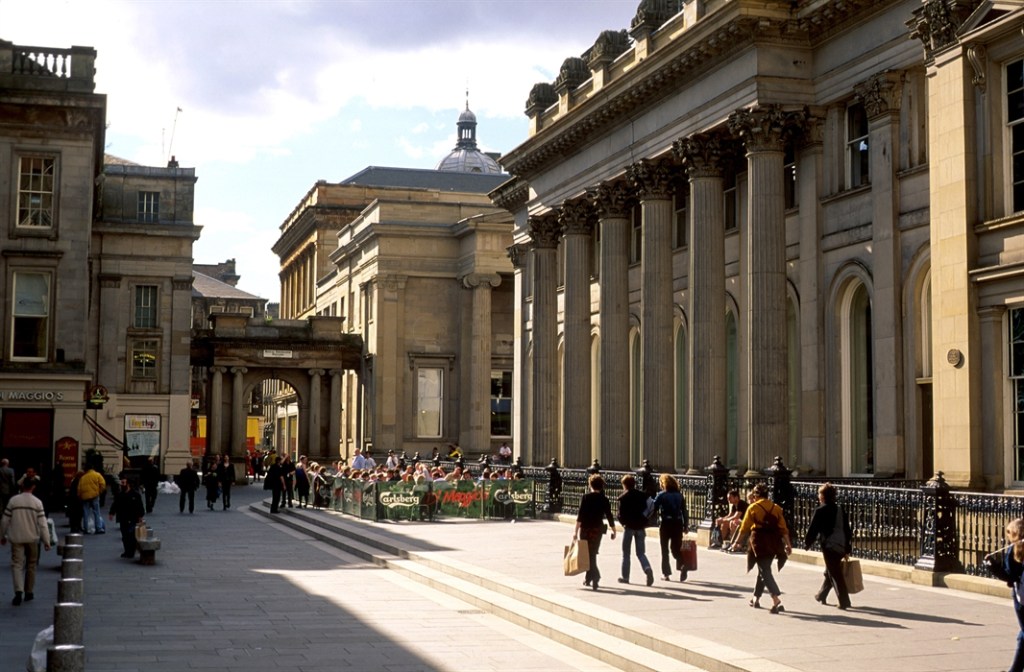
I recently had the pleasure of spending several days back in Glasgow for the first time Post-Covid and it remains a fascinating city. The city centre, which is still largely Victorian, has changed hugely in the last 50 years with almost every one of the city’s many beautiful bank and other commercial buildings now converted into bars and restaurants – which allows even more people to enjoy these buildings’ stunning interiors – and, just as importantly, ensures their proper maintenance and hopefully, also secures their future. One of the latest of these is James Miller’s Anchor Line building which has been extremely sensitively restored and converted to a very stylish bar and restaurant.

The situation with the shops is a much more mixed picture with many of the ground floor units in Glasgow’s historic buildings now empty. Clearly the pandemic has taken its toll both in terms of its impact on the local economy and in driving millions of shoppers online, but the other major problem for Glasgow and most other British cities is the impact of its Shopping Centres. There are several in the centre of Glasgow including the Buchanan Galleries, the Sauchiehall Centre, the Savoy Centre and the St Enoch Centre and they all draw shops out of the historic city centre commercial buildings and into their air-conditioned interiors. Of course, they have many practical benefits – you can shop under cover (no mean advantage in Glasgow), they usually have their own linked car parking and of course for their developers and owners, they attract the chain stores who love the ease of their standard shop units. But this all comes at a cost.

Sauchiehall Street, once Glasgow’s principal shopping street, is on its knees, and many important city buildings are ‘To Let’ at ground level. Independents are now almost non-existent in the city centre as the economies of scale available to the chains helps them to sustain ever higher rents and rates – and it’s not just Glasgow. The vastly extended Westgate Shopping Centre in Oxford is having a similar effect on its historic principal street ‘The High,’ which now sports empty shop units for the first time in living memory. I know towns, cities and retail patterns change over time but having the lifeblood sucked out of our historic urban centres seems a high price to pay for yet another John Lewis anchor store.
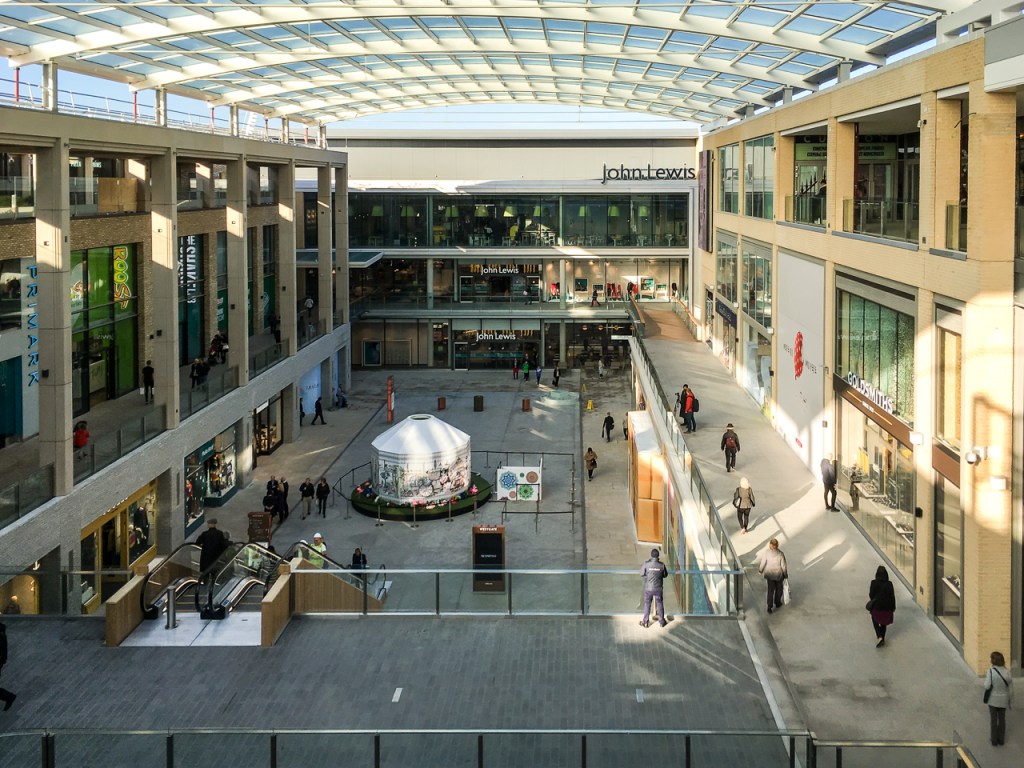
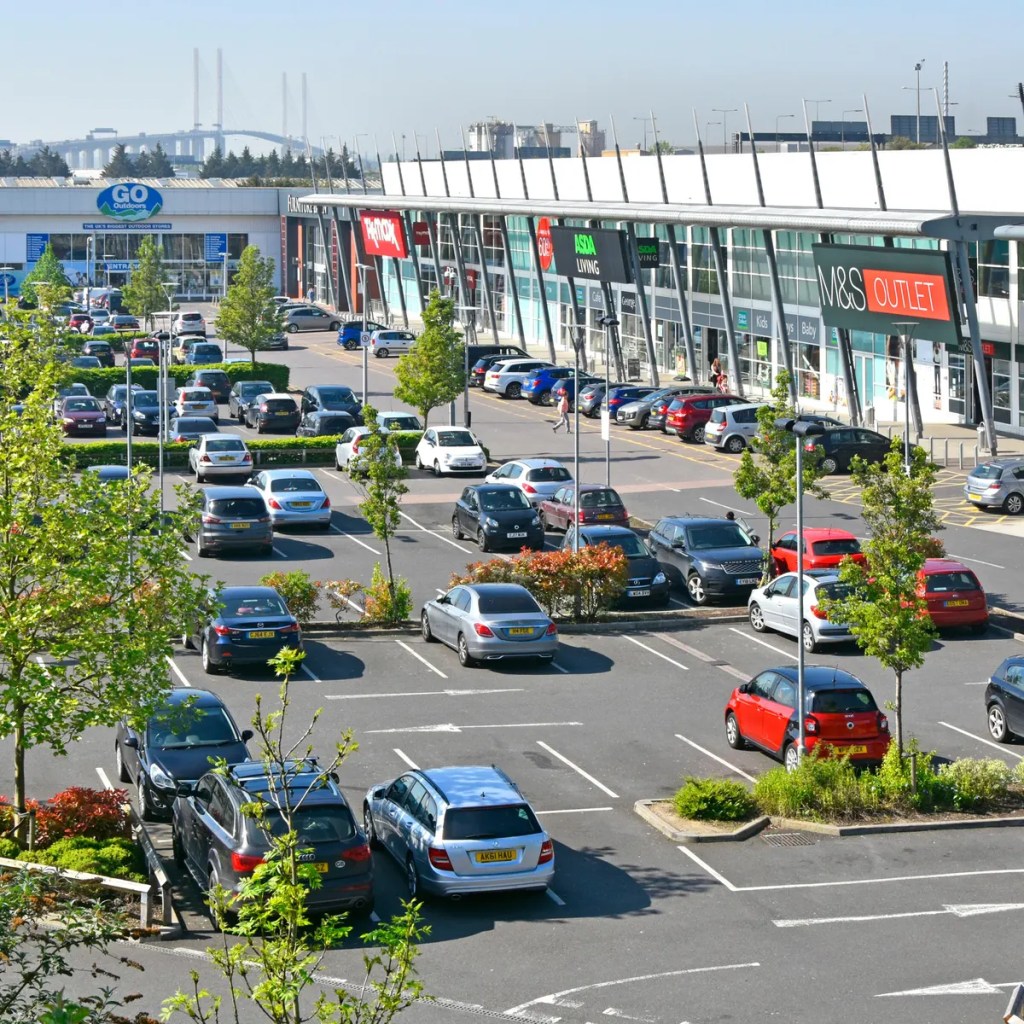
We have mountains of planning legislation in the UK specifically to deal with issues like this, but unfortunately, when these huge retail proposals get to councillors for a decision, it’s invariably a choice between a developer with an army of articulate suits and the offer of new jobs and the needs of a few local private shopkeepers with the impact on the historic core of the town or city rarely mentioned and sadly, the offer of (what are apparently) new jobs, seems to win hands down almost every time. There’s a lot of talk about sustaining or revitalising our High Streets (and Main Streets) but the real challenge actually lies in controlling new development elsewhere.
If you don’t want to miss out on further blocks then please follow me on johngooldstewart.com
 John Stewart