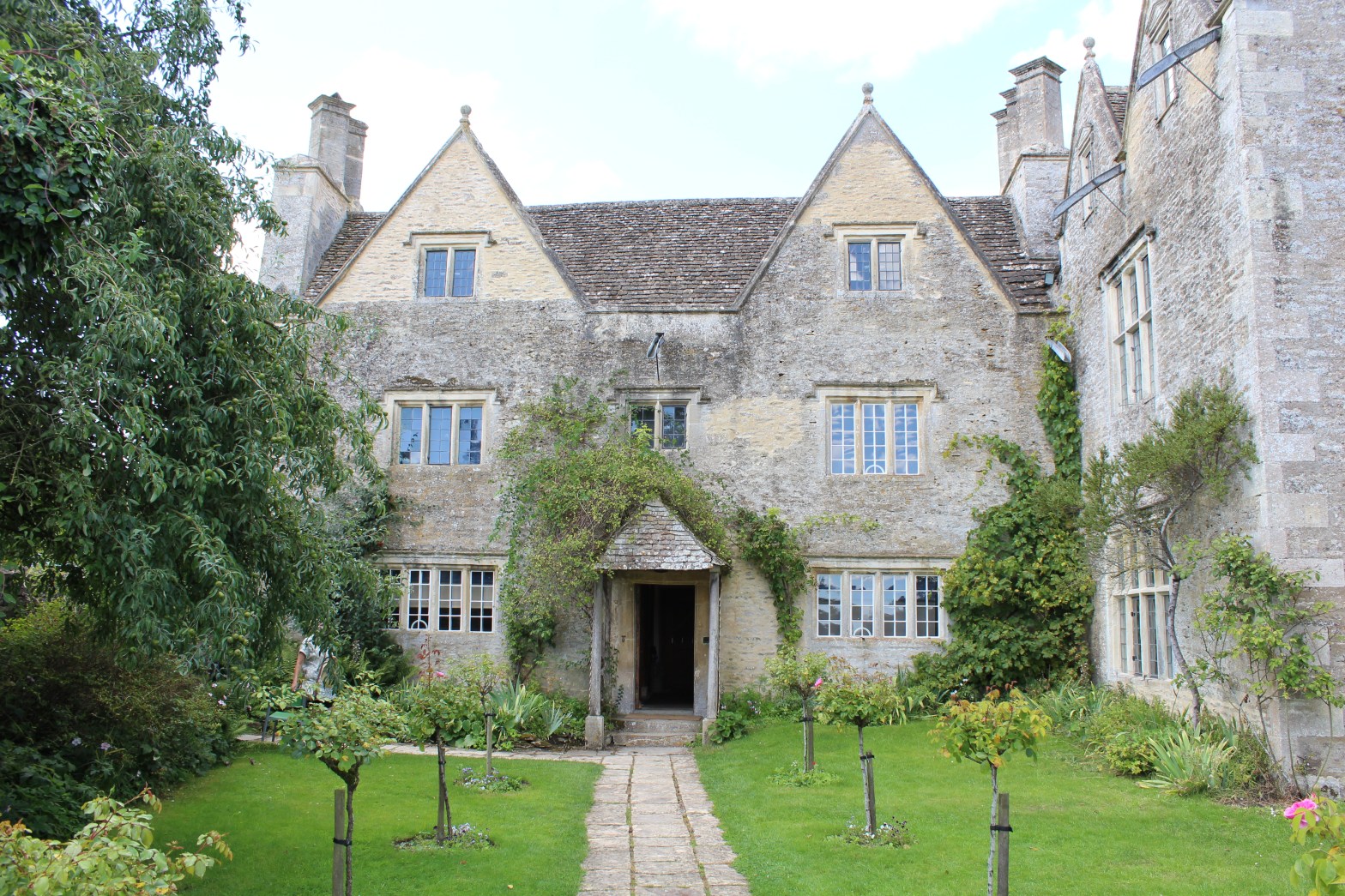
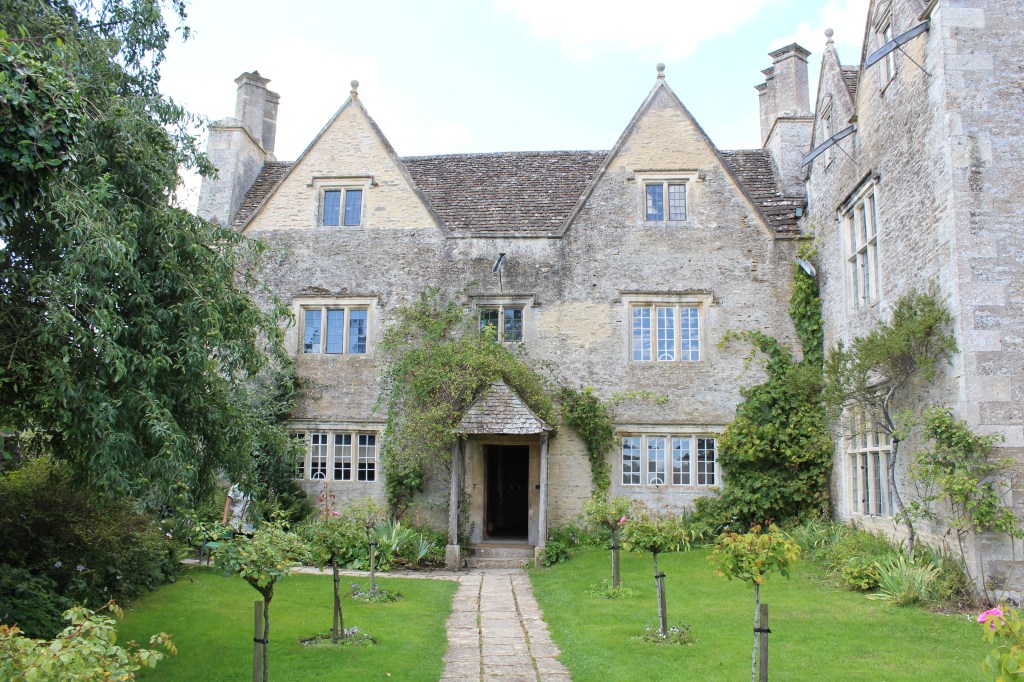
I finally made it to Kelmscott Manor in Oxfordshire, the country home of William Morris, a few weeks ago. Morris was one of the most culturally influential late Victorians, as a key member of the Arts and Crafts Movement, artist, poet, socialist activist and of course as the founder of Morris and Co. whose textile designs are still in production today. He had earlier commissioned Philip Webb to design the Red House for him, which is widely recognised as the first Arts and Crafts house.

He first leased Kelmscott Manor in 1871 as a country retreat for him and his wife Jane Burden, perhaps the most painted muse of the Pre-Raphaelites. Jane had been discovered in Oxford by Dante Gabriel Rosetti and sat as a model for many of his most famous paintings including Queen Guinevere and Prosperine with them later becoming lovers after her marriage to Morris. For Morris, Kelmscott offered an idealised vision of domestic life, far from the industrial towns and cities of Victorian Britain and he divided his time between Kelmscott and London, where his textile business was based, for the remainder of his life (with Kelmscott Manor appearing on the frontispiece of his utopian manifesto News from Nowhere).
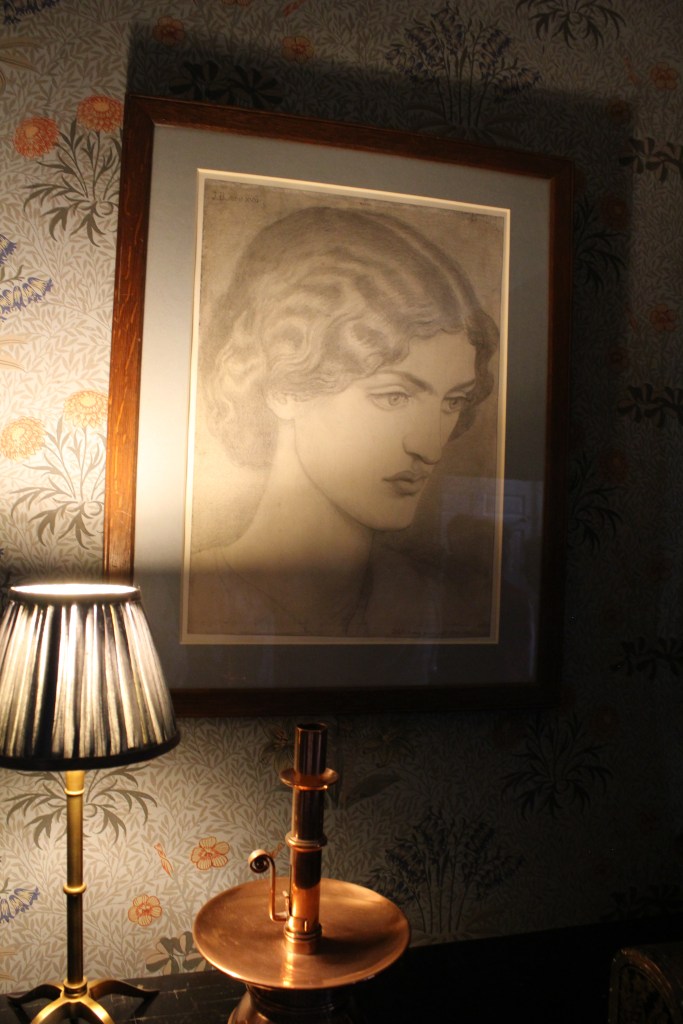
The house and garden are delightful and, as one would expect, utterly restrained, with Morris’s textiles hung in several rooms and numerous paintings and tapestries by both Morris and Jane throughout the house.

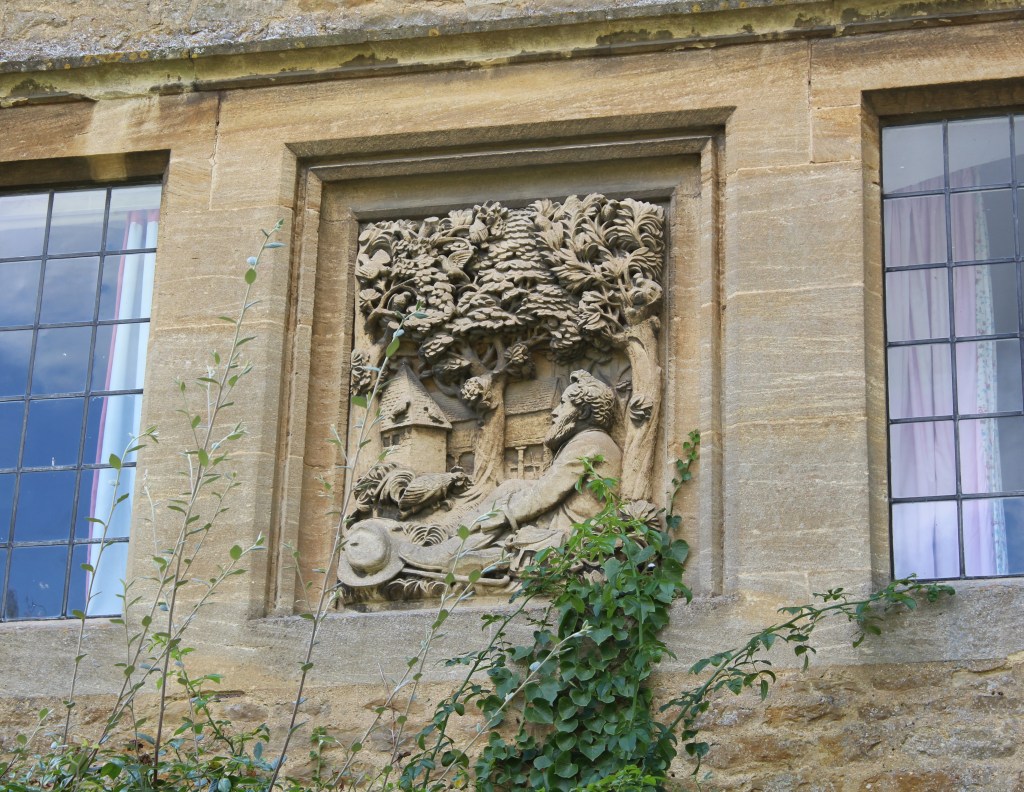
What I hadn’t appreciated was that in addition to the Manor, Morris had also commissioned several buildings within the village including Manor Cottages and the Morris Memorial Village Hall by Ernest Gimson who had also moved to the Cotswolds ‘to be nearer to nature’ and the Memorial Cottages by Philip Webb, with whom Morris had been collaborating since the design of the Red House in 1859, with Webb also designing the Morris family gravestone in the village churchyard where Morris and Jane were both buried. All in all, Kelmscott certainly offers a seductive vision of Morris’s ideal of English village life.
If you don’t want to miss out on further blogs then please follow me at johngooldstewart.com
 John Stewart