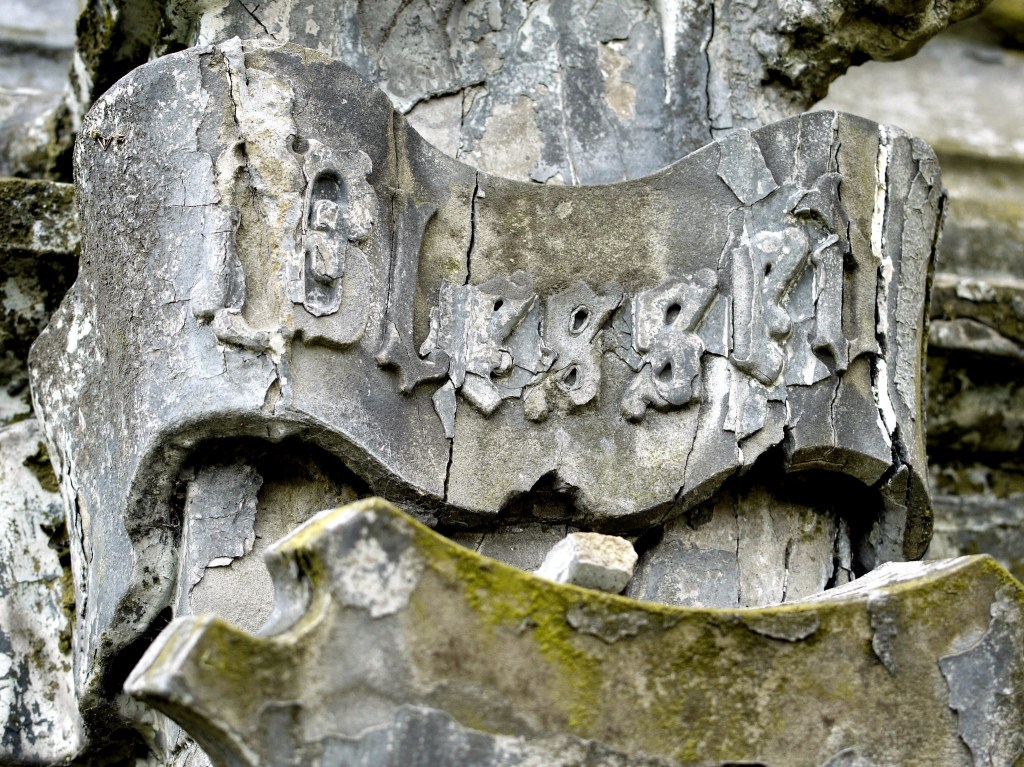
Glasgow is a city in crisis once more. The immediate post-war decades brought little beyond six-lane motorways and the comprehensive redevelopment of vast tracts of the city and yet, enough survived to be appreciated in the 80’s and 90’s, when Glasgow was restored and celebrated once more as one of our great, vibrant regional British cities – it was a very real urban renaissance.
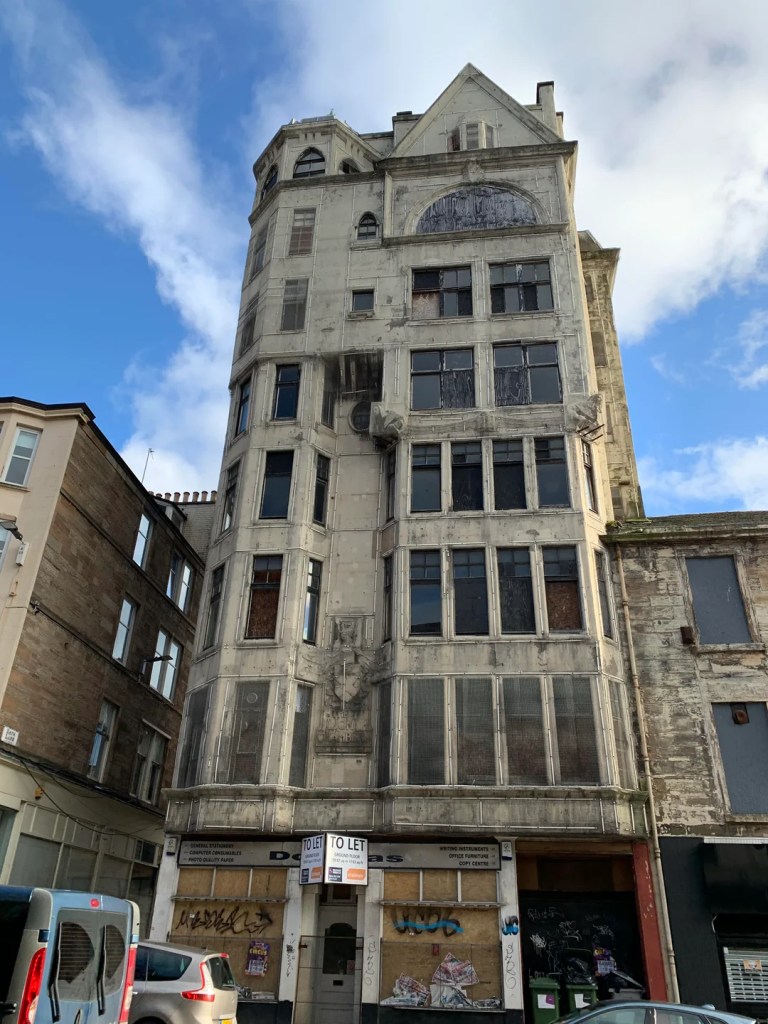
But those days are over. The city centre is filthy, footfall is down, visitor numbers are reduced and, having presided over this decline, the City Council, who have contributed so much to the malaise, have simply no ideas as to how to reverse the process.
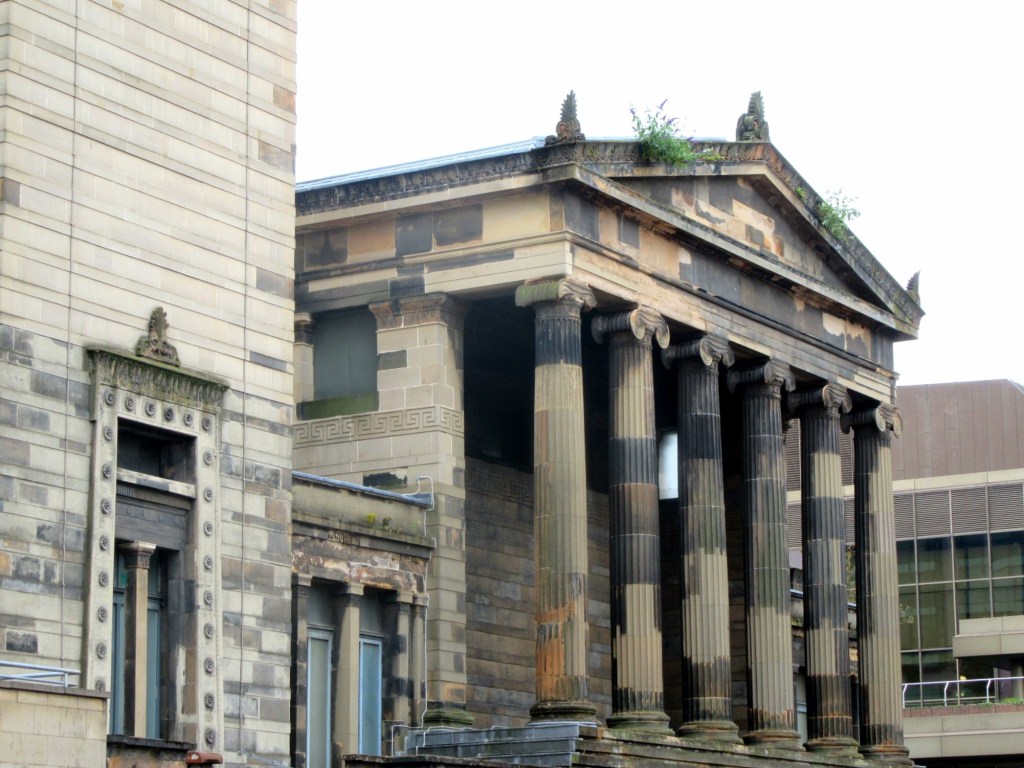
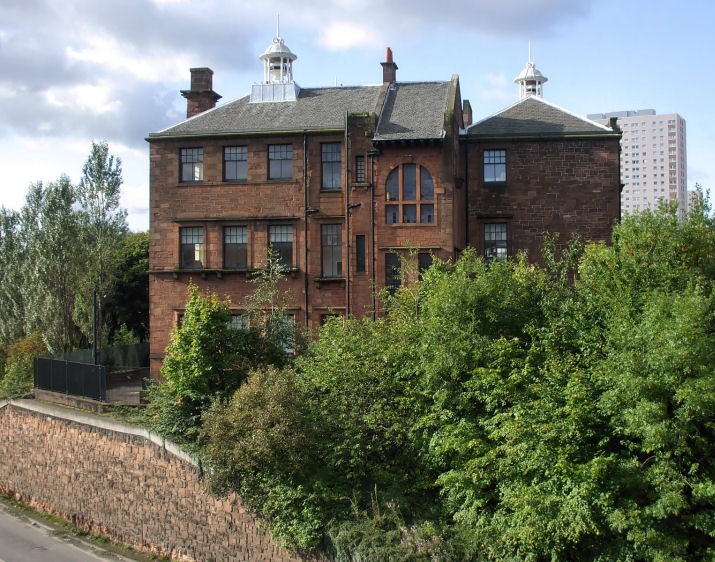
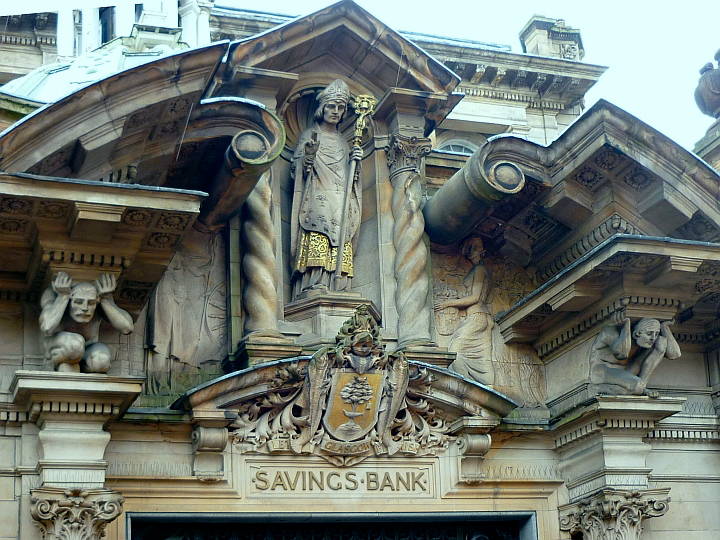
The impact on the city’s architectural heritage is quite frightening. Alexander Thomson’s only surviving church in St Vincent Street has now closed to worshippers, his Egyptian Halls remain vacant, James Salmon’s Lion Chambers is crumbling, JJ Burnet’s exquisite Savings Bank Hall lies empty and as far as Mackintosh’s surviving buildings are concerned (having already lost the School of Art), as Stuart Robertson (the Director of the CRM Society) recently confirmed, Scotland Street School is currently closed, the Lighthouse never reopened after the pandemic, the Lady Artists Club lies vacant and in the last few days, the City Council has put Martyrs School on the open market, and these are just the leading examples, with many, many more important buildings also at risk.
This is not just a tragedy for Glasgow, but for Britain’s architectural heritage too. Glasgow is still Britain’s finest Victorian city (as opined by John Betjemen, one of the founders of the Victorian Society) – and it now has a heritage crisis that needs a national response.
If you don’t want to miss out on further blogs, please follow me on johngooldstewart.com.
 John Stewart