Blog 38

Cardross Seminary

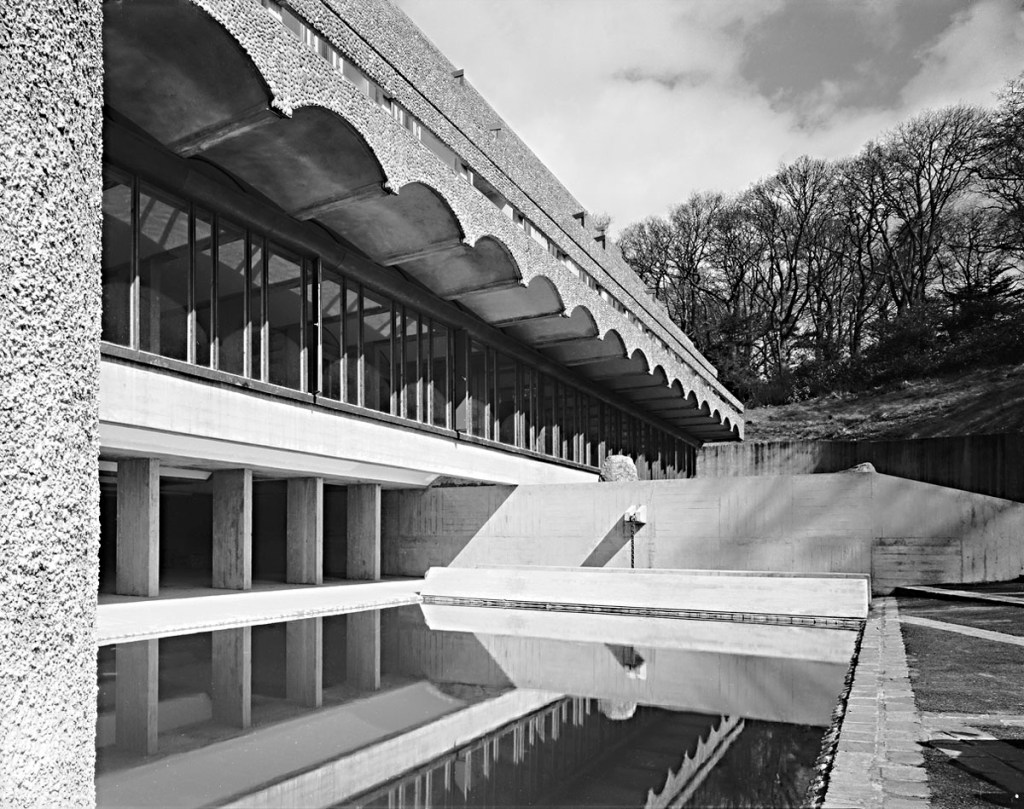
Cardross Seminary, or to give it its correct title St Peter’s Seminary by Scottish architects Gillespie, Kid and Coia (or in reality Andy MacMillan and Isi Metzstein) was sadly doomed from the day it opened its doors to welcome trainee priests in 1966. Commissioned in 1958, by the summer of ’66, the number of candidates for the priesthood had already begun what was to be an inexorable decline and the building never came close to its designed capacity of 100 students. It was, it’s worth remembering, also riddled with technical problems and like several other pioneering buildings of this period, leaked extensively. Despite the challenges, it limped on, before finally closing as a seminary in February 1980.
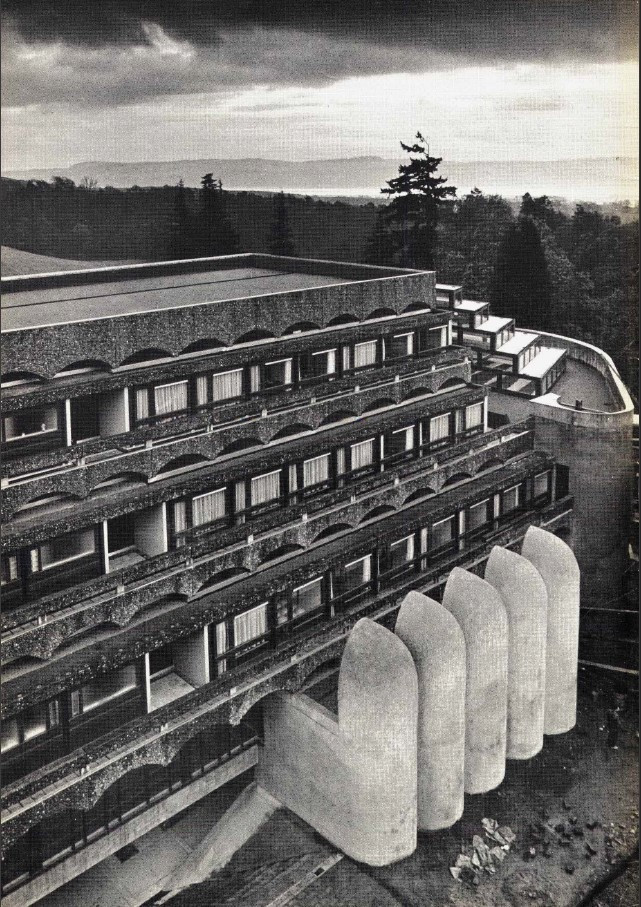
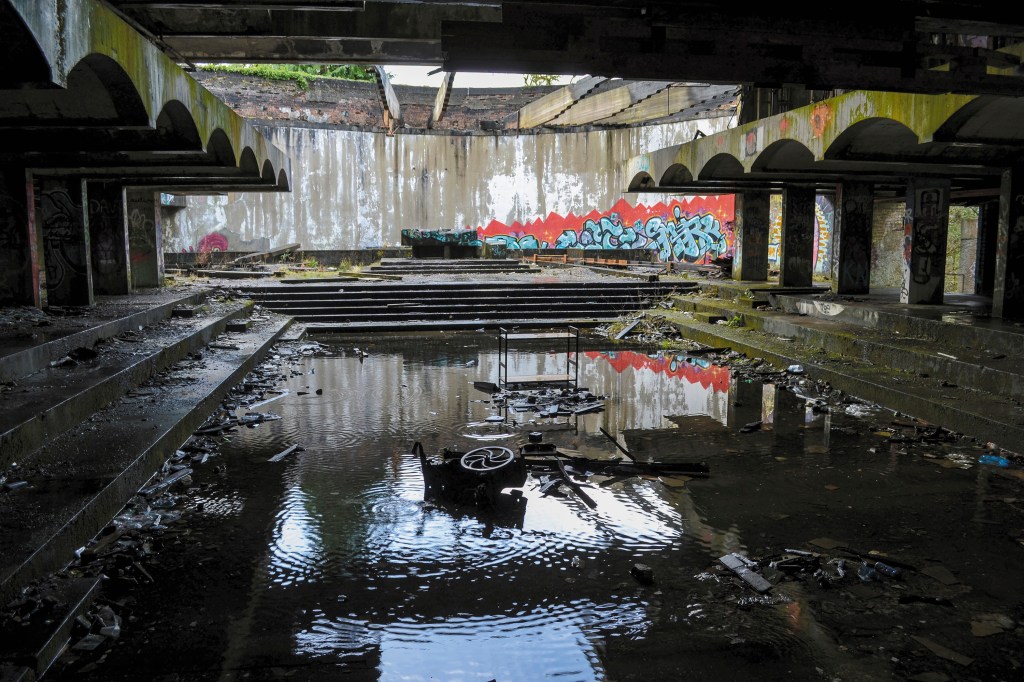
Thus began its long and painful search for a new role in life, starting as a drug rehabilitation centre in 1983, but such was the state of the buildings by then that within a year they were abandoned, fenced off and left for the amusement of local vandals. In an effort to save them from demolition, and despite their already ruinous state, their admirers achieved their Grade A listing in 1992, thus leaving their owners, The Roman Catholic Church, with what they described as an “albatross around our neck” which they had a responsibility to maintain, secure, and insure, but which they could neither sell, give away, or demolish.

Since then, various grant-funded groups have come up with a wide range of proposals from ‘Invisible College’ to Arts Venue, for which they have all attempted unsuccessfully to raise further funds, initially to restore the buildings and more latterly simply to make them safe. Last year, the Glasgow Diocese finally managed to transfer ownership of the entire estate in which the building sits to the Kilmahew Educational Trust Ltd, who have stated that they ” simply need to develop a viable vision, with education at its core, and execute the plans that develop from that to the best of our abilities”. Please excuse my cynicism if I add the Kilmahew Trust to the long list of previous well-meaning groups who have attempted to restore this wreck and been equally strong on rhetoric and weak on generating funding. As of today, the estate remains closed due to public safety concerns.

50 years ago, these buildings were an outstanding example of Scotland’s best post-war architecture. Excellent as they were, they were neither “a building of world significance” as has been claimed, nor “as important as Charles Rennie Mackintosh’s School of Art” (which actually was a building of world significance). Unlike Le Corbusier’s priory – ‘La Tourette’ – from which they drew their inspiration and which itself receives tens of thousands of international visitors every year, they are largely a local architectural obsession. Realistically, there is no prospect of them ever being restored and in their present graffiti-adorned shambolic state they are certainly not the romantic ruin which was Isi Metzstein’s last hope for them. They are well documented, were comprehensively photographed on their completion, and so before any further public money is spent on them, I think the time is now long overdue – to let them go.
If you don’t want to miss out on further blogs then please follow me on johngooldstewart.com

Blog 37

Artists and The Public

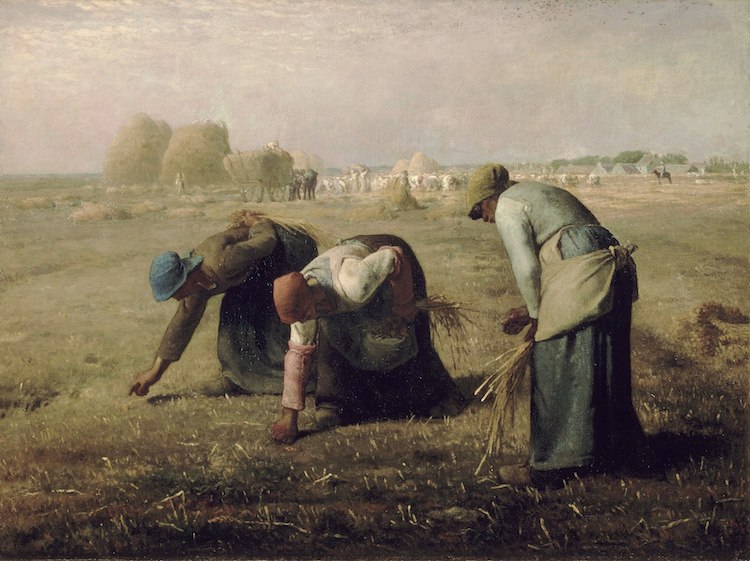
I was re-reading Ernst Gombrich’s excellent “The Story of Art” recently and came across a fascinating and very insightful section on early 19th century painting. Gombrich refers to this period as ‘Permanent Revolution’ and describes the impact of artists exhibiting and selling their work directly to the public for the first time rather than being commissioned by patrons and also the shift to teaching in academies from traditional pupillage.

“The life of an artist had never been without its troubles and anxieties, but there was one thing to be said for ‘the good old days’ – no artist need ask himself why he had come into the world at all. There were always altar paintings to be done, portraits to be painted; people wanted to buy pictures for their best parlours, or commissioned murals for their villas… He delivered the goods which the patron expected…It was just this feeling of security that artists lost in the nineteenth century. The break in tradition had thrown open to them an unlimited field of choice. It was for them to decide whether they wanted to paint landscapes or dramatic scenes from the past…but the greater the range of choice had become, the less likely was it that the artist’s taste would coincide with that of the public. Now that this unity of tradition had disappeared, the artist’s relations with his patron were only too often strained.”

“The patron’s taste was fixed in one way: the artist did not feel it in him to satisfy that demand. If he was forced to do so for want of money, he felt he was making ‘concessions’, and lost his self-respect and the esteem of others. If he decided to follow only his inner voice, and to reject any commission which he could not reconcile with his idea of art, he was in danger of starvation. Thus a deep cleavage developed in the nineteenth century between those artists whose temperament or convictions allowed them to follow conventions and to satisfy the public’s demand, and those who gloried in their self-chosen isolation.”

“The distrust between artists and the public was generally mutual. To the successful businessman, an artist was little better than an imposter who demanded ridiculous prices for something that could hardly be called honest work. Among the artists on the other hand, it became an acknowledged pastime to ‘shock the bourgeois’ out of his complacency and to leave him bewildered and bemused. Artists began to see themselves as a race apart, they grew long hair and beards, they dressed in velvet or corduroy, wore broad-brimmed hats and loose ties, and generally stressed their contempt for the conventions of the ‘respectable’.”

“The artist who sold his soul and pandered to the taste of those who lacked taste was lost. So was the artist who dramatized the situation, who thought of himself as a genius for no other reason than that he found no buyers…For the first time, perhaps, it became true that art was a perfect means of expressing individuality – provided the artist had an individuality to express.”

And that’s pretty much where we remain – some 200 years later….

If you don’t want to miss out on further blogs then please follow me on johngooldstewart.com
Blog 36

Brutalism

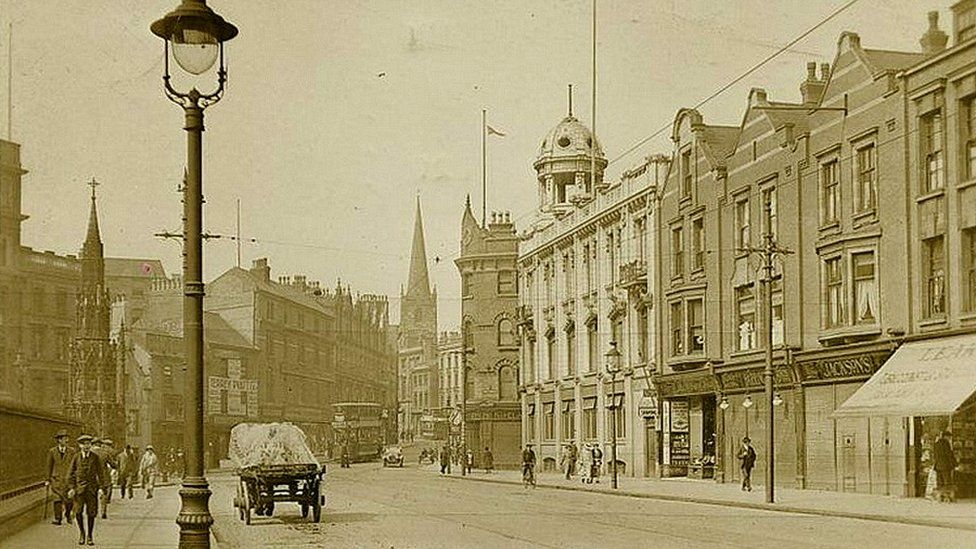
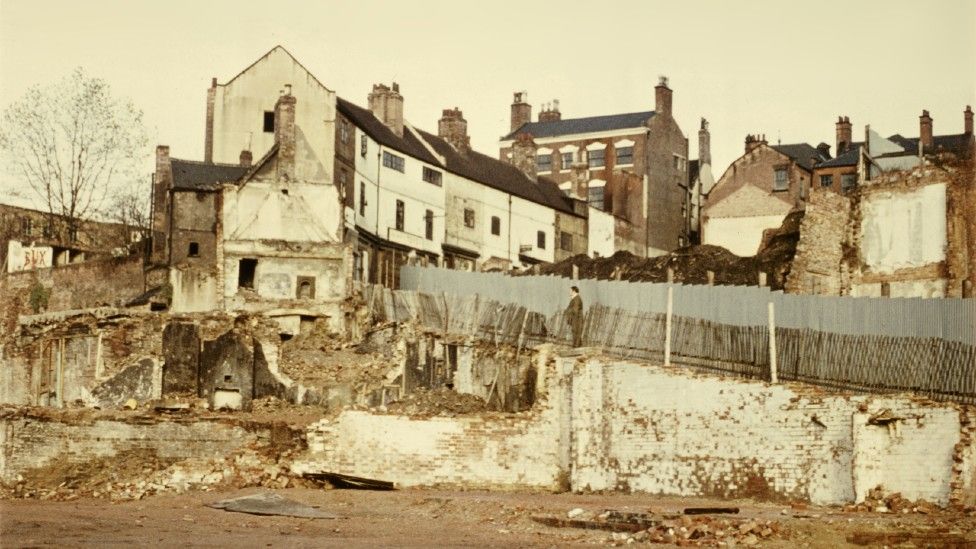
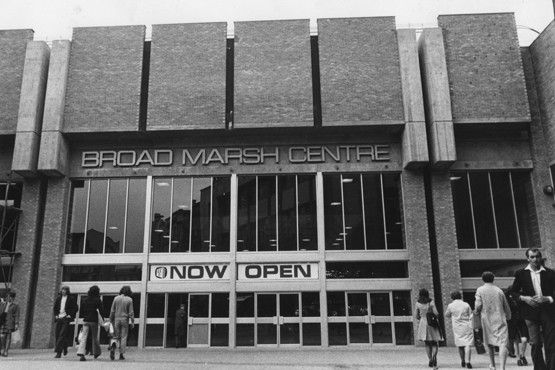
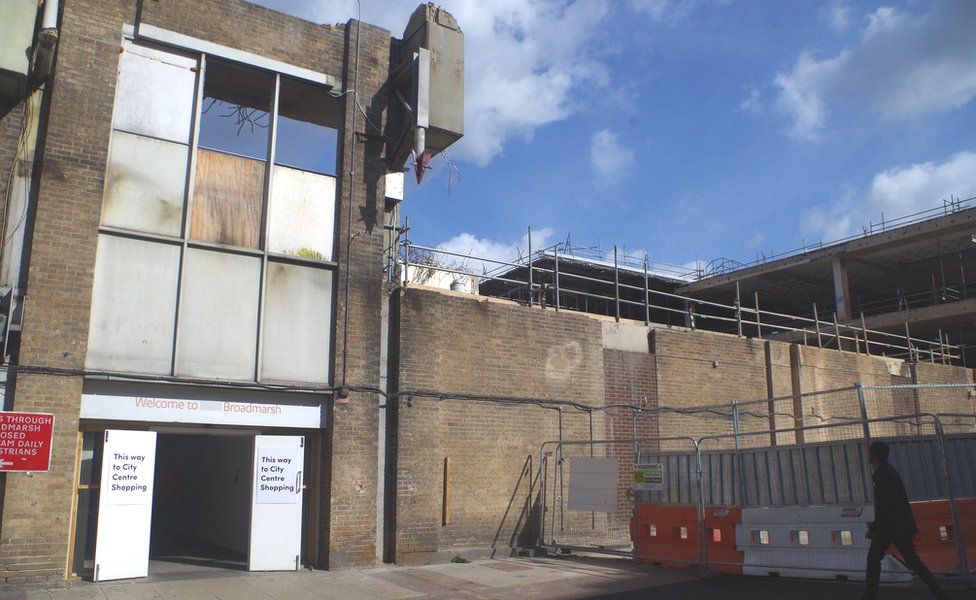
I don’t know if anyone else saw the BBC News article on the redevelopment of the Broadmarsh Centre in Nottingham (above). This was a piece of typical 60/70’s comprehensive redevelopment in which a vast tract of historic Nottingham was demolished to make way for what architects might describe as an essay in Brutalism but what most normal people would describe as a pile of brick and concrete garbage. The image below shows the area of Nottingham city centre that was demolished to make way for it.

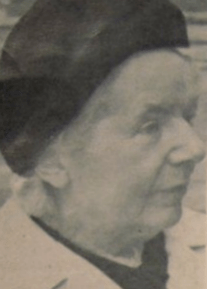
This kind of crass, arrogant and insensitive development is sadly hardly newsworthy as it happened across most of the UK during this period but what particularly interested me was that the City Council’s proposals originally faced a determined and very vocal campaign to stop them – to save both the original mediaeval street pattern of the area and its historic buildings. The campaign was led by a Miss Palmer, a retired schoolteacher, and she and a number of other retired or elderly women wrote to newspapers, objected to every stage of the proposal and engaged Nottingham’s local civic societies in their fight to save this part of their city.

They were successful to a degree in eventually achieving a public enquiry into the proposed development at which a representative of the London-based architects for the shopping centre, Ian Fraser & Associates, boldly claimed that “We believe our professional skill and sensitivity will make the new area just as interesting and attractive as the old” while the City Council, who were promoting the initiative, suggested that it was “ludicrous that a few old ladies should be allowed to spend time and money questioning the decisions of experts.”

Unfortunately, as we know and despite the efforts of the campaigners, it was the City Council and their ‘experts’ who succeeded in gaining planning approval, but the sad truth is that Miss Palmer, who was personally pilloried at the time as an architectural Mary Whitehouse, was the voice of wisdom; the Council, in their misguided arrogance, destroyed a vast tract of the fabric of the city which was in their care, and their architects, far from exhibiting “skill and sensitivity” were frankly, inept.

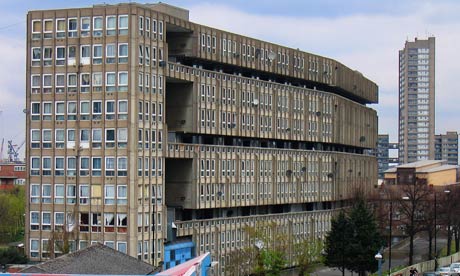
For most people, the Broadmarsh Centre in Nottingham is typical of their experience of Modern architecture. They’re not running out to Waterstones to buy one of the many books that have recently been published on ‘Brutalism’ – they’ve lived in the flats and tower blocks – they know that Robin Hood Gardens and the Parkhill Flats in Sheffield, far from being ‘Modern Classics’ were just grim working class mass storage units – they’ve never heard of Fallingwater, Ronchamp or the Lloyds Building and, surprise, surprise, they’re now rather suspicious of groups of highly articulate architects coming into their communities from outside and using phrases such as “skill and sensitivity”.

If you don’t want to miss out on further blogs then please follow me on johngooldstewart.com
Blog 35

Masters and Pupils

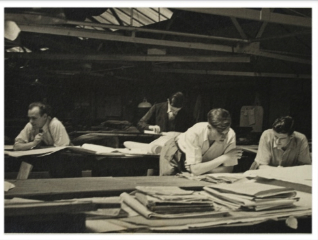
While architectural pupillage has been almost entirely replaced by full-time architectural education, most aspiring architects still aim to spend some time in the office of an acknowledged master of their craft. It’s a kind of post-graduate education in the practicalities and realities of architectural practice that the schools of architecture never quite get to, as well as being an opportunity to contribute to and witness the production of great architecture.

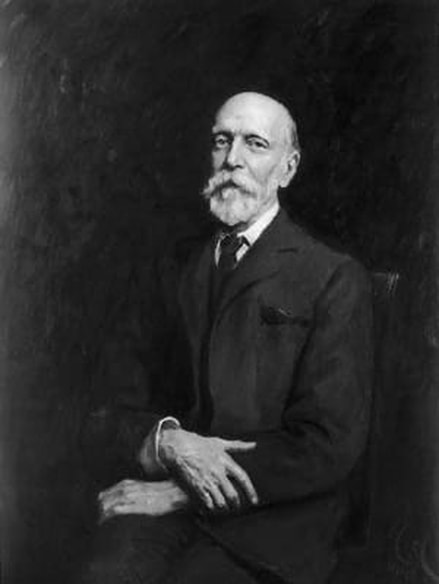
Through the generations, several architect’s offices have been prolific, not only in the quality of their architectural output, but also in the number of their outstanding assistants who have gone on to found their own practices and deliver excellent work themselves. Perhaps the most notable of these in the UK was the office of Ernest George (1839-1932), who himself won the RIBA’s Gold Medal in 1896. Such was his output of successful protegés that his office became known as ‘The Eton of Architects’ and he produced not only the first female member of the RIBA in Ethel Charles, but also three further RIBA Gold Medallists in Edwin Lutyens, Herbert Baker and Guy Dawber.

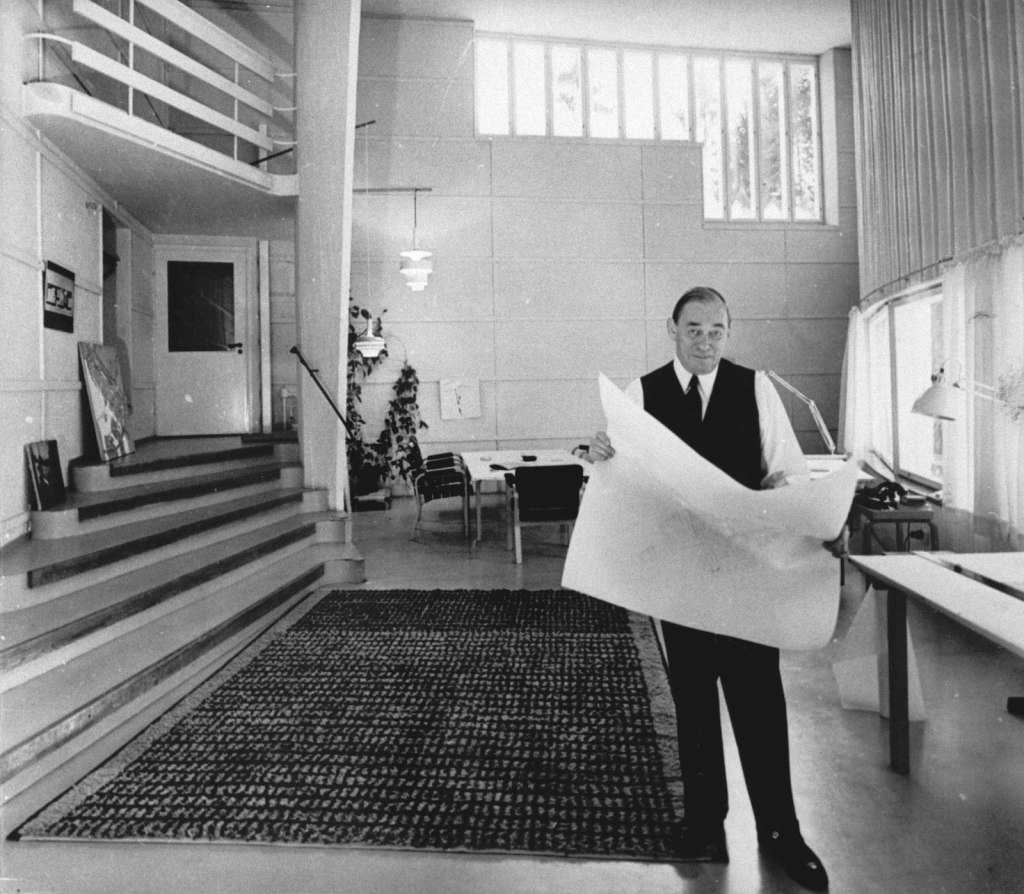
In more recent times the great Alvar Aalto’s office produced Kristian Gullichsen and Arne Ervi as well as Viljo Revell, the architect of Toronto City Hall and Jorn Utzon of Sydney Opera House fame, and both Norman Foster and Richard Rogers have inspired a generation of British architects including Chris Wilkinson, John McAslan, Amanda Levete and a further RIBA Gold Medallist in David Chipperfield.

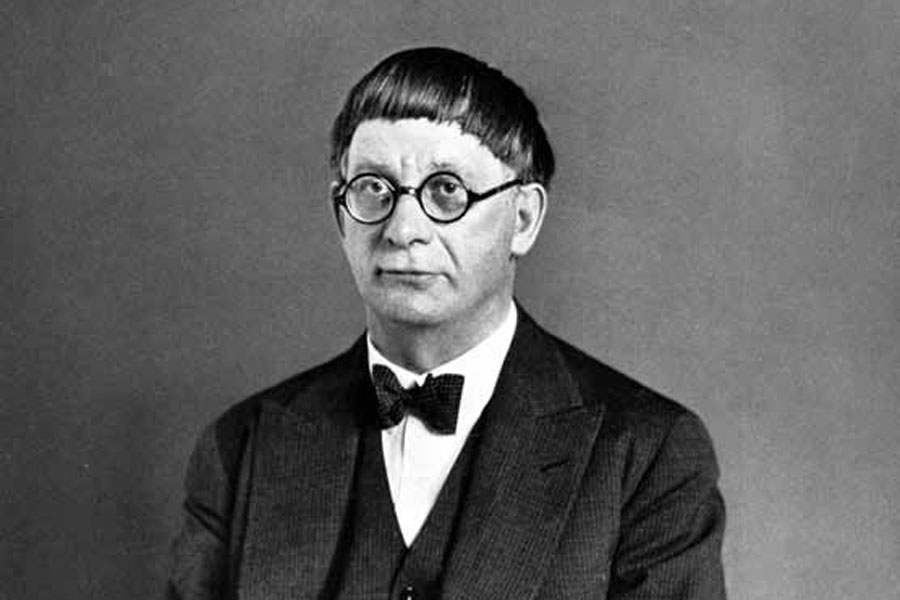
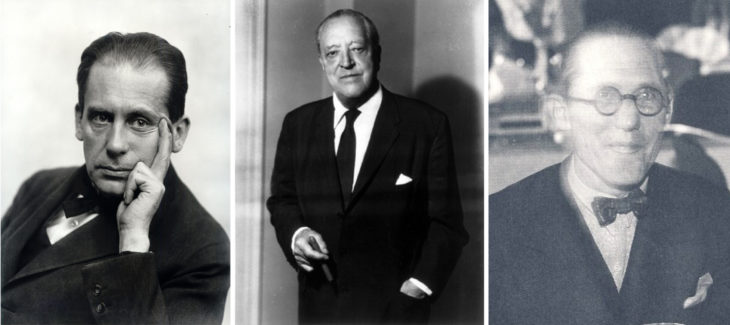
Perhaps the most impressive of them all however is the office of the German architect Hans Poelzig (1869-1936) who, believe it or not, counted amongst his assistants, Mies van der Rhoe, Walter Gropius and Le Corbusier, with all three actually being in the office at the same time between October 1910 and March 1911. I wonder who made the tea? 

If you don’t want to miss out on further blogs then please follow me on johngooldstewart.com

Blog 34

The Albert Memorial

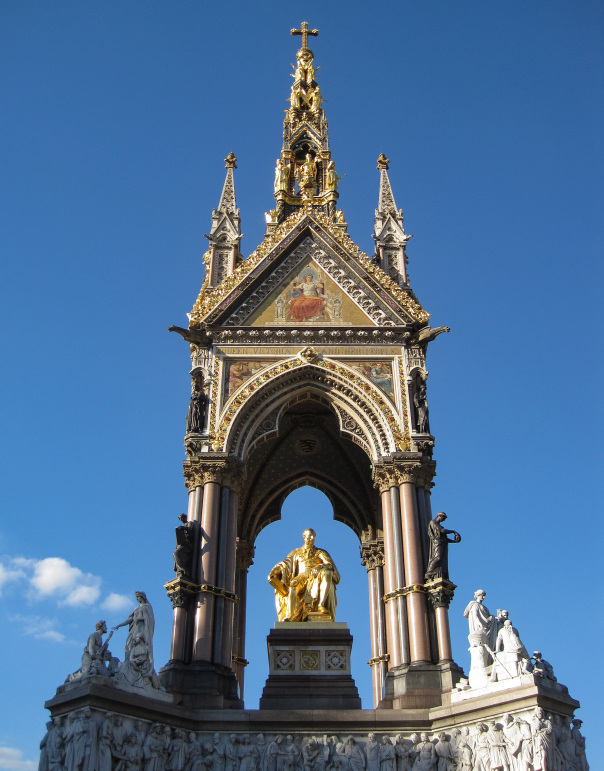
The sad news of the death of the Duke of Edinburgh signals the approach of the end of an era. Despite being the longest-serving royal consort in British history, it seems unlikely that he will be commemorated in the same way as the last Prince Consort – Albert – the husband of Queen Victoria, who died at the more tender age of 42, in 1861. His memorial, erected by his grief-stricken Queen (and funded entirely by public subscription), has never been surpassed in Britain in terms of its sheer size, scale, elaboration or complexity.

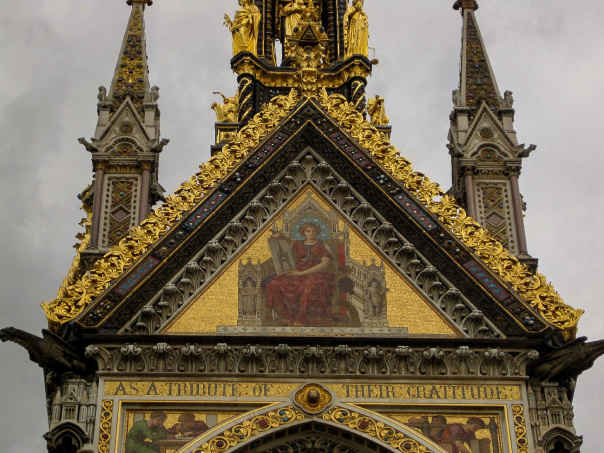
Sir Giles Gilbert Scott’s great Gothic baldacchino was selected from the many designs submitted by the Queen herself, with construction starting two years after Albert’s death in 1862 and ongoing until Victoria formally unveiled the central statue of Albert in July 1872. His gilt bronze statue, which portrays him holding the catalogue of The Great Exhibition of 1852 whose organisation he led, is however just one of the many hundreds of sculpted figures which adorn the structure and celebrate his wife’s empire and his own life and achievements. 

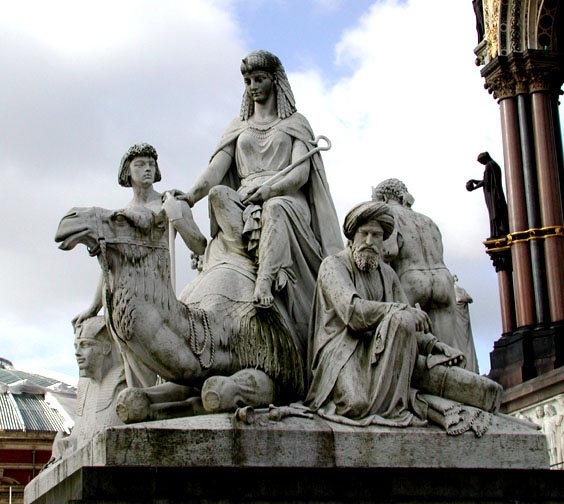
The four outermost corners of the monument have sculpted groups portraying the continents of America, Africa, Asia and Europe – each by one of the leading sculptors of the period, with Asia including a rather racy topless India astride an elephant, supported by equally exotic representatives of China and the Middle East, by sculptor John Henry Foley. The monument itself is supported by four inner groups representing Commerce, Engineering, Manufacturers and Agriculture, while on the main piers are sculptures of the physical and natural sciences, with the main canopy above, decorated with representations of the Virtues.

Every inch of the stone structure is carved – mostly by the London firm of architectural sculptors Farmer and Brindley, with whom architect Gilbert Scott worked on most of his building projects and Scott too had a key role in the selection of all the sculptors, including the rejection of Baron Marochetti’s proposed ‘Albert’ in favour of a further sculpture by Foley.  

This extraordinary memorial stands today, not only as a commemoration of Queen Victoria’s Prince Consort, but also as an extraordinary work of art, a symbol of her reign – a sculptural Encyclopaedia Britannica – evoking the values and aspirations of a very different Britain. Let us hope that, at a time when most debate around statues is about their removal, Prince Philip’s contribution to British life is commemorated in perhaps a little more modest affair.

If you don’t want to miss out on further blogs then please follow me on johngooldstewart.com

Blog 33

The Chapel of the Resurrection

Sigurd Lewerentz’s churches are rightly regarded as exemplary Modern sacred spaces. St Mark’s in Stockholm and St Peter’s in Klippan are much visited and photographed and their raw steel and almost primitive, rough, twisted and overburnt brickwork whose joints were simply wiped with sackcloth, give their interiors an almost primeval quality which connects them directly with ancient precedents and the timeless act of worship. St Peter’s, the latter of the two buildings, was completed when Lewerentz was almost 80, but his first church – the Chapel of the Resurrection in the Woodland Cemetery in Stockholm, consecrated some 40 years earlier in 1925, is much less well known. At first sight, one would take some convincing that this building was by the same architect. 

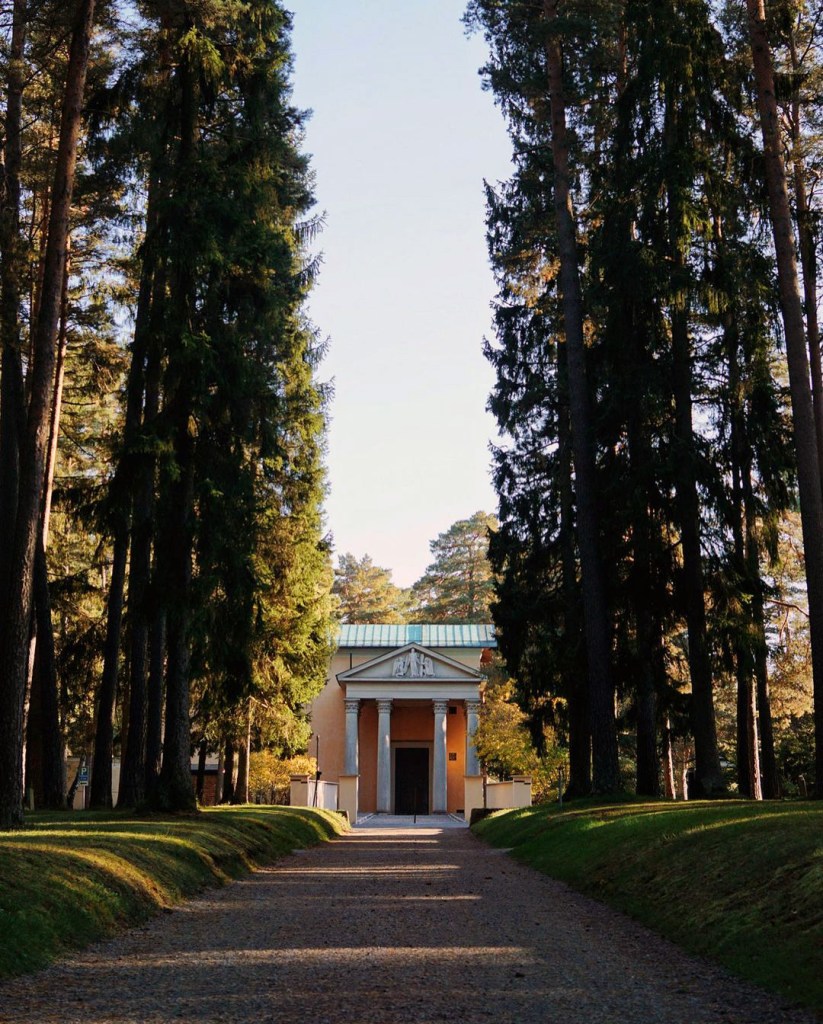
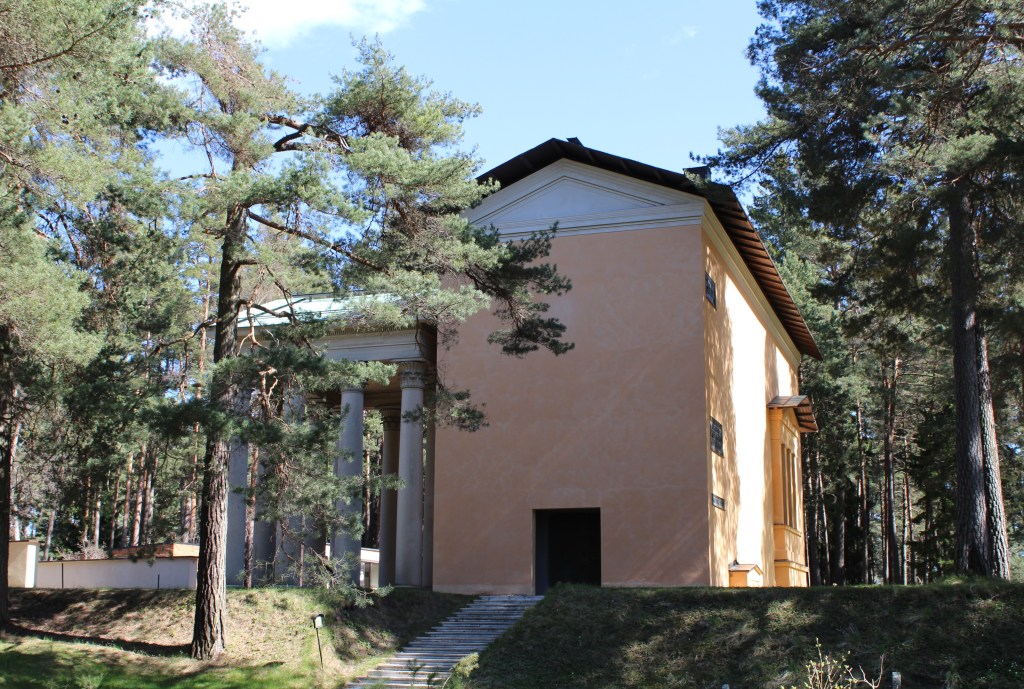
The Chapel sits at the end of a 900m long axis through the trees of the cemetery, which its portico addresses directly. The main internal sacred space behind it is placed at a slight angle to it, with a slim triangular gap between the two building elements. This allows the portico to be read as an ancient classical ruin, which has been discovered amongst the woods with, behind it, an unpretentious rendered contemporary barn-like enclosure for the main chapel space.

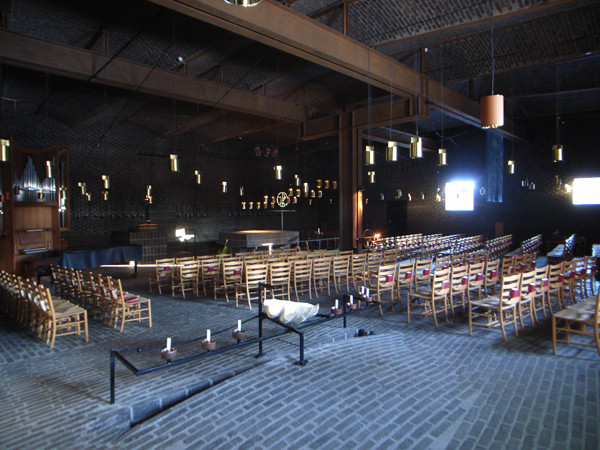
The chapel itself is therefore entered on one side at the back, with mourners turning sharp left on entry to see the coffin sitting in the centre of the space on a simple stone catafalque in front of the altar, which provides a full-stop to both the visitors’ journey of approach and to the journey of the deceased. The coffin is lit from the side by a vast, south-facing window which provides the entire space with ever-changing light and a focus for the ceremony. There is no fixed seating and mourners simply gather around the coffin as they might once have done centuries before, in some forest glade.

After the ceremony, the exit is through the rear wall opposite the altar and the congregation walk down into a small clearing in the woods to reminisce before they disperse. The parallels between St Mark’s, St Peter’s and this chapel are in fact much stronger than the apparent contrasts – the careful use of natural light to provide particular emphasis to the ritual, the importance of route and its impact on the emotions, the eternal nature of so many human activities and Lewerentz’s profound understanding of life and the human spirit.

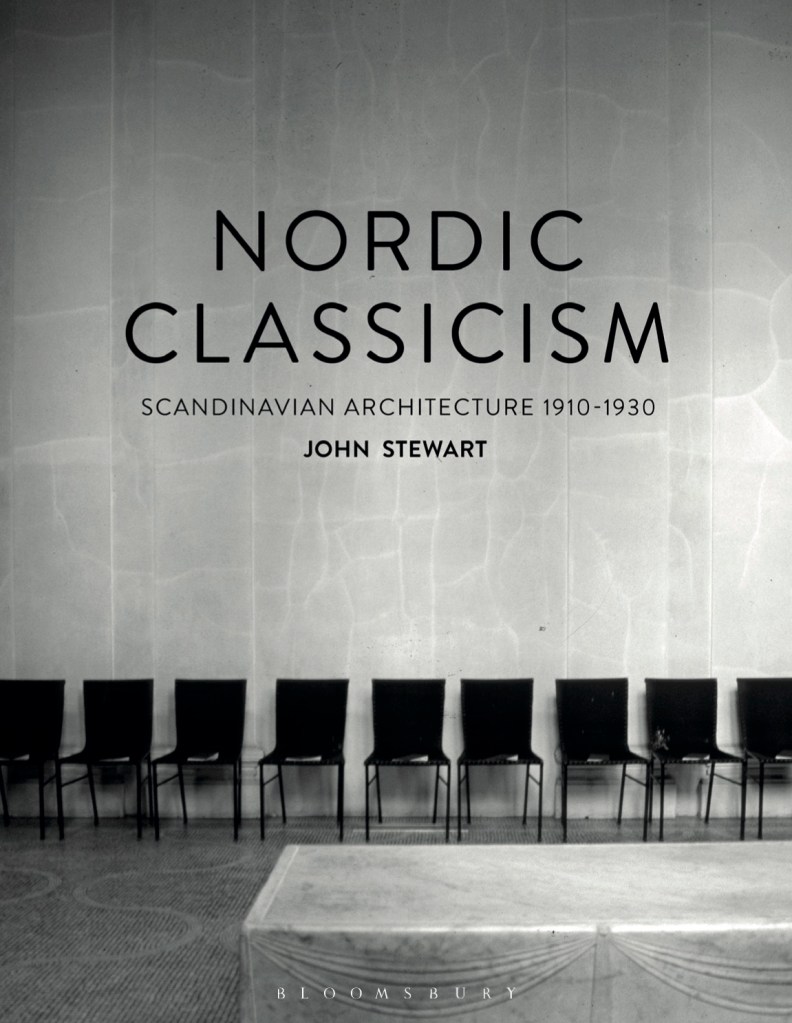
You can read more about Sigurd Lewerentz and his Chapel of the Resurrection in my book Nordic Classicism, and if you don’t want to miss out on further blogs then please follow me on johngooldstewart.com

Blog 32

Contemporary British Classicism

Has anyone else noted a distinct uptick in the quality of contemporary British Classical architecture? I do realise that for those whose architectural education has inculcated them into the cult of Modernism, even discussing this topic is regarded not such much as irrelevant as sinful, but despite attempts to exorcise it, Classical architecture has continued to be designed and built throughout the twentieth century and beyond, in direct opposition to the Zeitgeist.

Private residence

One or two individuals such as Raymond Erith and Quinlan Terry kept the flame alive and, despite being dismissed as building only for the rich, (for whom Classicism has always been the badge of wealth, power, privilege and indeed imperialism) they also produced numerous delightful public buildings such as village halls, libraries, schools and university buildings as well as minor mansions and the odd folly and, shock/horror, proved that Classicism was quite capable of responding to quite a few everyday twentieth century needs.

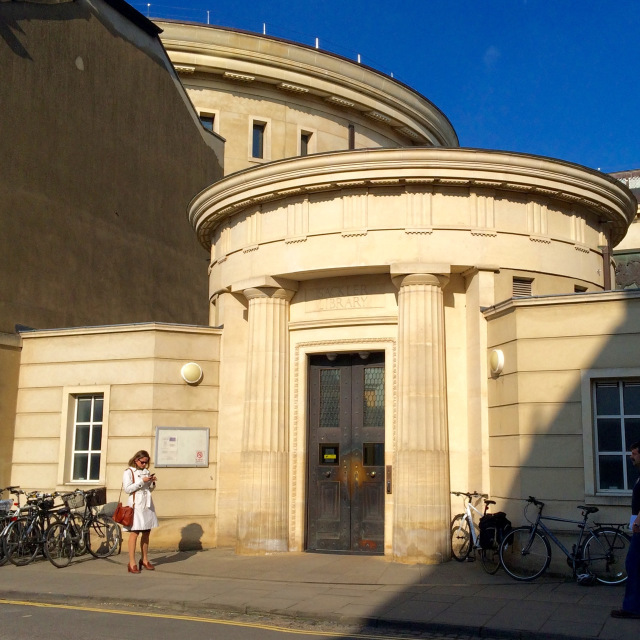
Post-Modernism, despite a few gems, brought a wave of Classical mediocrity as various architects who had no Classical training attempted to switch from Modernism, but more recently, the likes of Robert Adam (he had to be a Classicist) and Demetri Porphyrios have produced work of real architectural quality, including several fine commercial buildings and numerous new facilities for Oxbridge colleges, such as Adam’s Sackler Library in Oxford (above). I would immediately acknowledge that when the budget is less generous, such as for Porphyrios’s Bay Campus at Swansea University, the results are far less impressive.

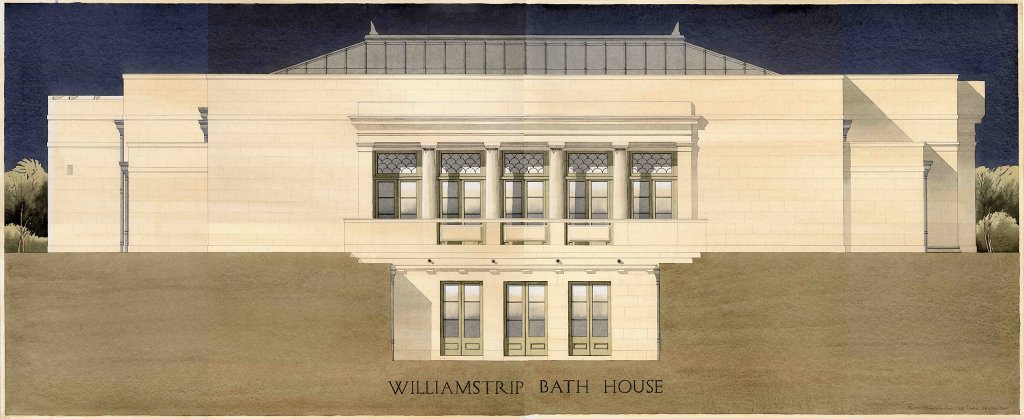
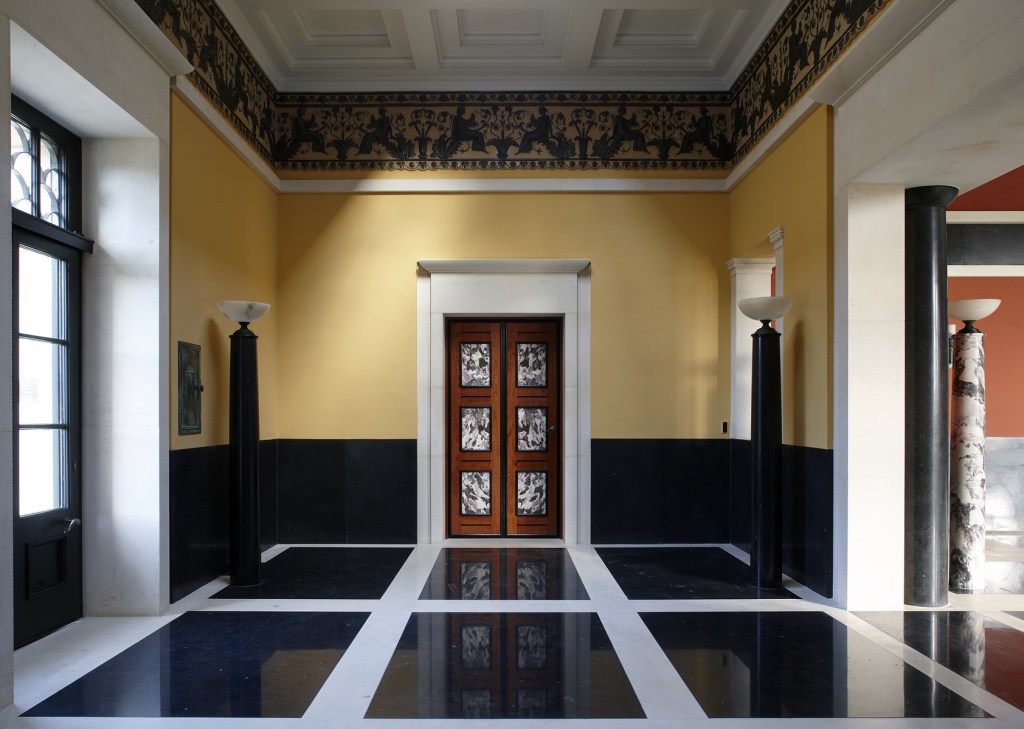
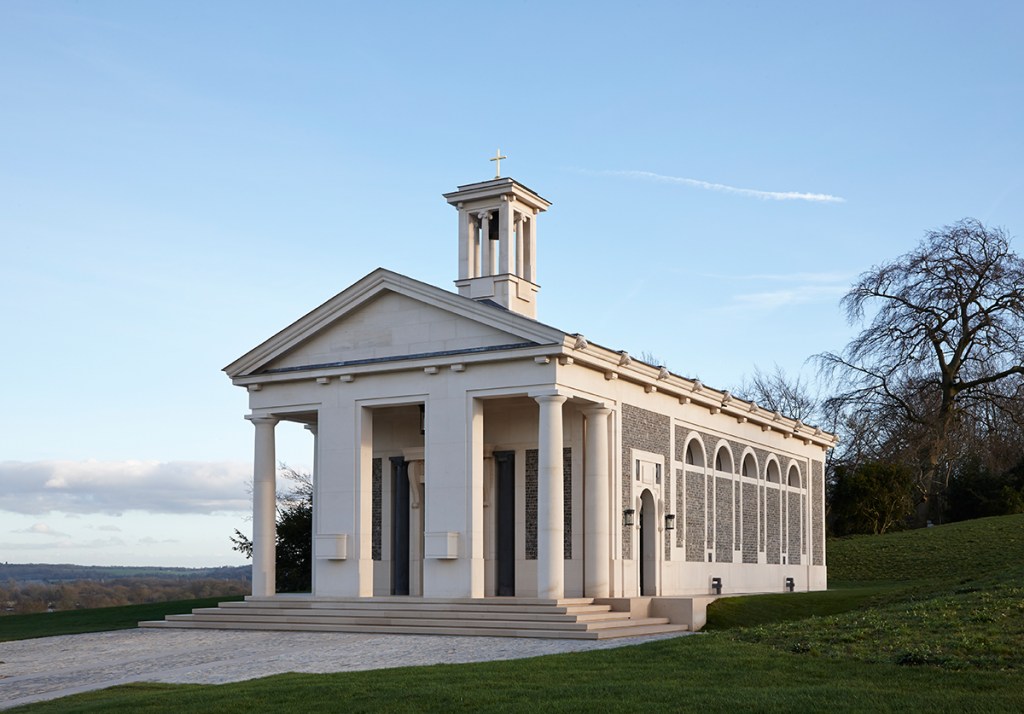
To this small Classical school must now be added the name of the outstanding architect Craig Hamilton, whose Chapel of Christ the Redeemer at Culham, completed in 2018, is merely the latest of a series of quite exceptional small Classical buildings. Like the best of his forebears and contemporaries, Hamilton exhibits not only a mastery of the orders but, like Plečnik and Asplund before him, a considerable degree of imagination and invention. With architectural sculpture by the equally talented Scottish Neoclassical sculptor Alexander Stoddart, surely even the most hair-shirted of Modernists cannot deny the quality of this work.  

If you don’t want to miss out on further blogs then please follow me on johngooldstewart.com

Blog 31

Aalto and the Gullichsens

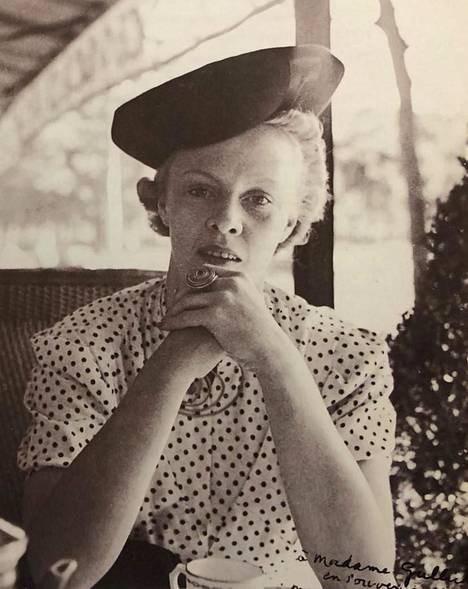
The brilliant Finnish Architect Alvar Aalto’s life and work has been spun with a web of myths and mystique, mostly created by Aalto himself. One of these is that he owed his success entirely to the Finnish architectural competition system, at which he excelled. This is partly true in that his early significant commissions, such as the Workers Club in Saynatsalo and Paimio Sanatorium were procured by this route, but it was when Maire Gullichsen – then the wealthiest woman in Finland – took an interest in his work, that his career really changed gear.

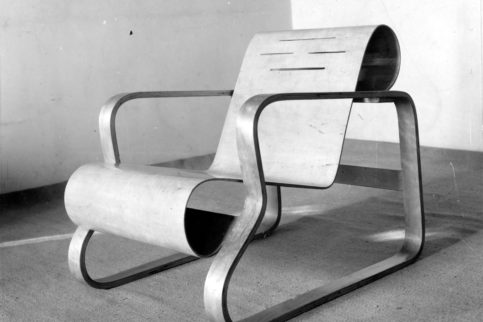
She was the granddaughter of Antii Ahlstrom, the founder of the Ahlstrom Corporation, and had married Harry Gullichsen, who took over as the CEO of Ahlstrom three years after their marriage in 1931. She was introduced to Aalto in 1936, when it was suggested that she fund a company to manufacture and promote Aalto’s furniture, which became and remains ‘Artek’ which still sells Aalto’s bentwood furniture (to those who can afford it) around the globe.

Her husband Harry soon commissioned Aalto to design almost all his industrial buildings including the massive Sunila Pulp Mill and workers town, which kept Aalto’s team busy for nearly twenty years, and then in 1937, Maire invited Aalto to design them a new summerhouse on the family’s vast estate in Noormarku, near the original Ahlstrom plant. Aalto’s initial designs were rejected by Maire as far too traditional and it was she who pushed him to design something which was still Finnish but much more radical and evocative of the emerging modern Finland, which she and Harry were doing so much to promote. The result of their collaboration is the beautiful Villa Mairea, which was completed in 1939.

While working together on her house, she also persuaded Aalto to design the Finnish Pavilion for the New York World’s Fair of 1939, an idea Aalto had already rejected as it was purely an interior design project. The result was an acknowledged masterpiece which promoted Marie’s vision of the new Finland and, just as importantly, its leading designer Alvar Aalto, to the world.

Their relationship suffered when Maire and Harry stayed in Finland after the outbreak of WW2, while Aalto and his family fled firstly to neutral Sweden and then to the USA, but recovered after the war, when Aalto seems to have charmed all his former friends and colleagues into forgiveness. By then Aalto’s reputation was firmly established on a global front and provided a firm base for his greatest work after WW2. 

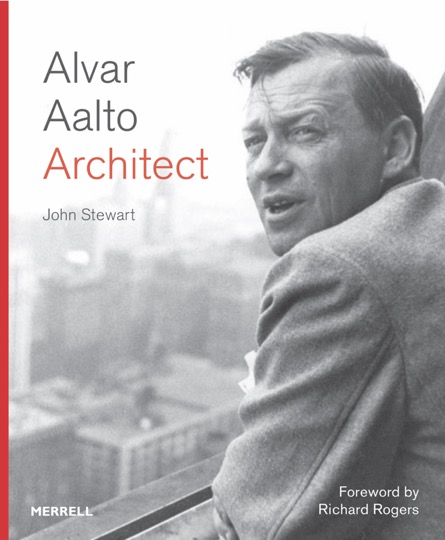
You can read more about Aalto and the Gullichsens in ‘Alvar Aalto Architect’ my biography of Aalto and if you don’t want to miss out on further blogs then please follow me on johngooldstewart.com

Blog 30

Willem Marinus Dudok

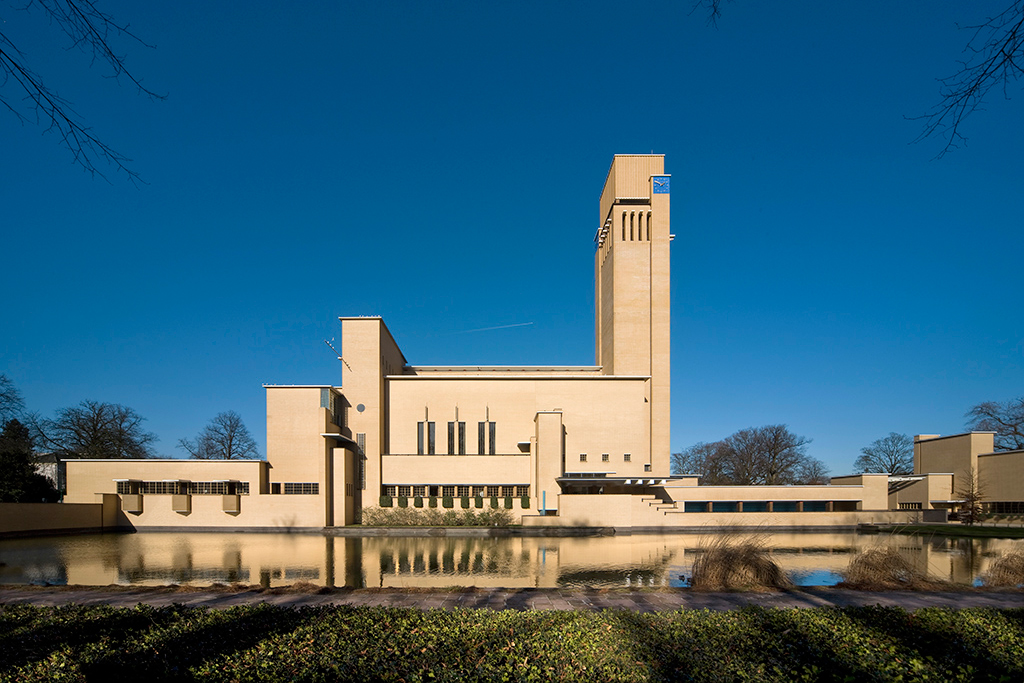
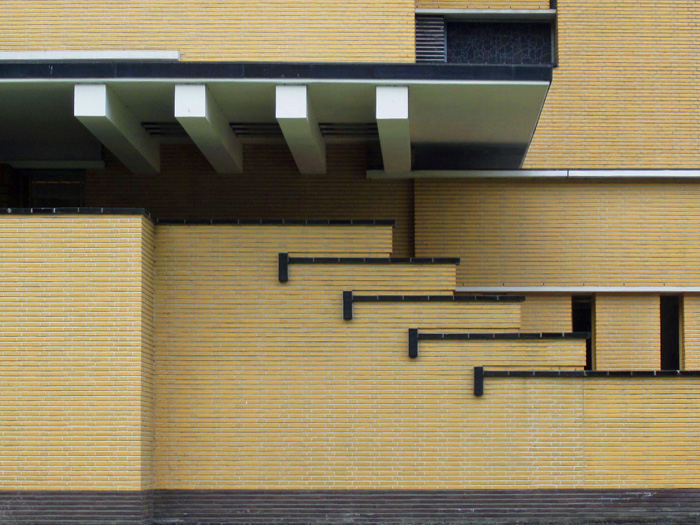
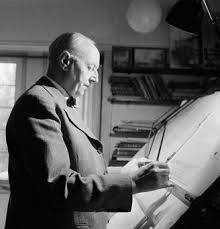
Dutch architect Willem Dudok’s Hilversum Town Hall, which he completed in 1931, is widely recognised not only as an extremely important example of modern architecture, but unusually within that genre, a finely judged and sublimely beautiful composition. Though not a member of the De Stijl group, Dudok was certainly influenced by them and the two-dimensional images of the building could easily be read as a work of Piet Mondrian. Frank Lloyd Wright is somehow also in there too with the Wasmuth Portfolio of his prairie houses and Larkin building having been published in Europe in 1910.

Famous as this building is, few people realise that Dudok was actually the local authority’s architect in Hilversum – appointed as their Director of Public Works in 1915 – rather astonishingly – after a 10-year career in the army. His first task after his appointment was to provide a new plan for the expansion of the town which was fast becoming a popular commuter base for Amsterdam. Such was the rate of growth that you could almost consider 20th century Hilversum to be a new town.

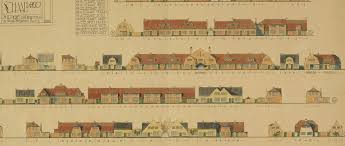
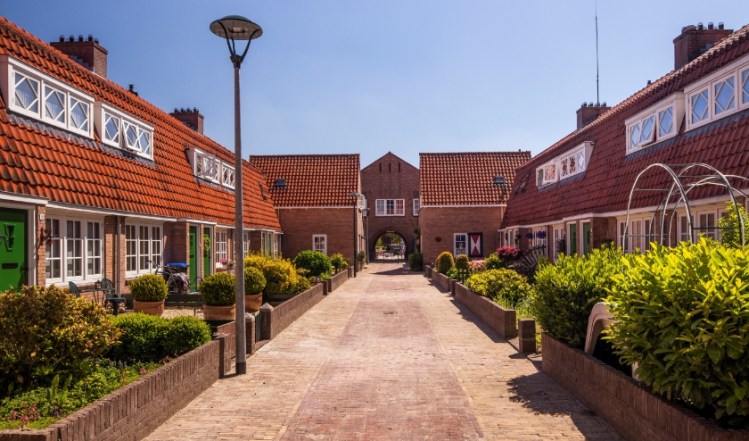
Dudok’s town planning strategy was that the town as a whole should have a degree of consistency within its architecture, which he developed as something of a suburban Amsterdam School style in brick, and within this overall framework, each district of the town should also have its own character. Dudok used the public buildings in each area to both set the standard for design and to provide the lead for the architectural characteristics which were then to be followed in the housing. 

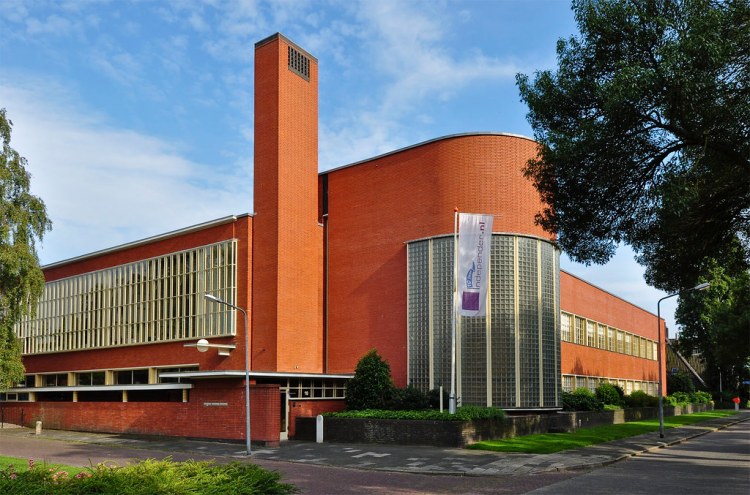
The result was quite an extraordinary range of public building designs which vary from the crisp De Stijl of the town hall, through typically quirky Amsterdam School variants, to quite traditional solutions below clay tiles and even thatched roofs. Many of the buildings he designed himself and while variations within the rules were encouraged, he ensured that there were no departures from his plan. The result is an extremely desirable small garden city which is just as popular now as when it was constructed. 

In 1928, Dudok realised that with the design of the town hall underway, he could no longer fulfil his role as Director, from which he resigned with the Council’s support, to become project architect for the town hall, into which he poured all his energies, thus creating the masterpiece which we still enjoy today.

If you don’t want to miss out on further blogs then please follow me on johngooldstewart.com
Blog 29

Scandinavian Summer Houses

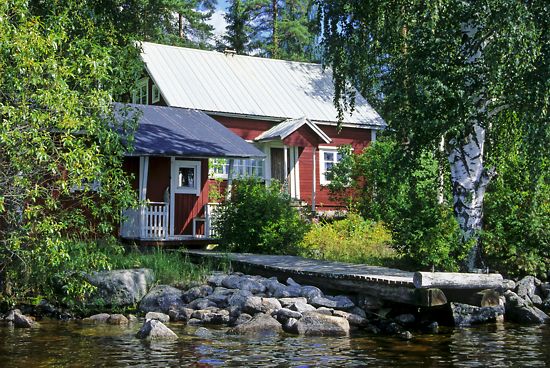
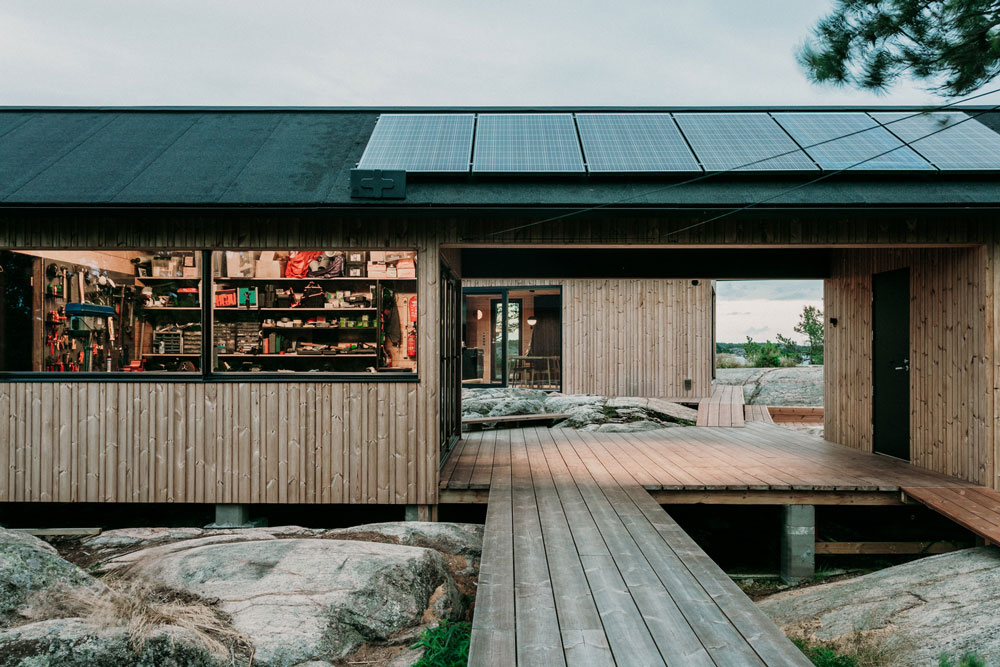
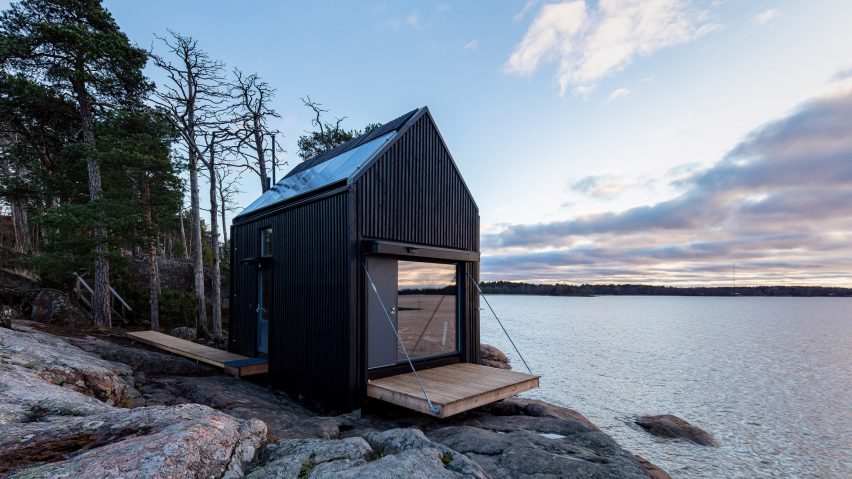
In many countries owning a second home is something only for the rich but in the Scandinavian countries, the idea of a second home, or to be more accurate, a ‘summer home,’ has long been a tradition for many. Even today its estimated that 20% of Scandinavians own a summer home, (most passed on from generation to generation) with around 50% having access to one. After a long cold winter in the city, the idea of heading out into their countryside, forests and lakes to make the most of their all too brief long summer days has become an annual ritual.
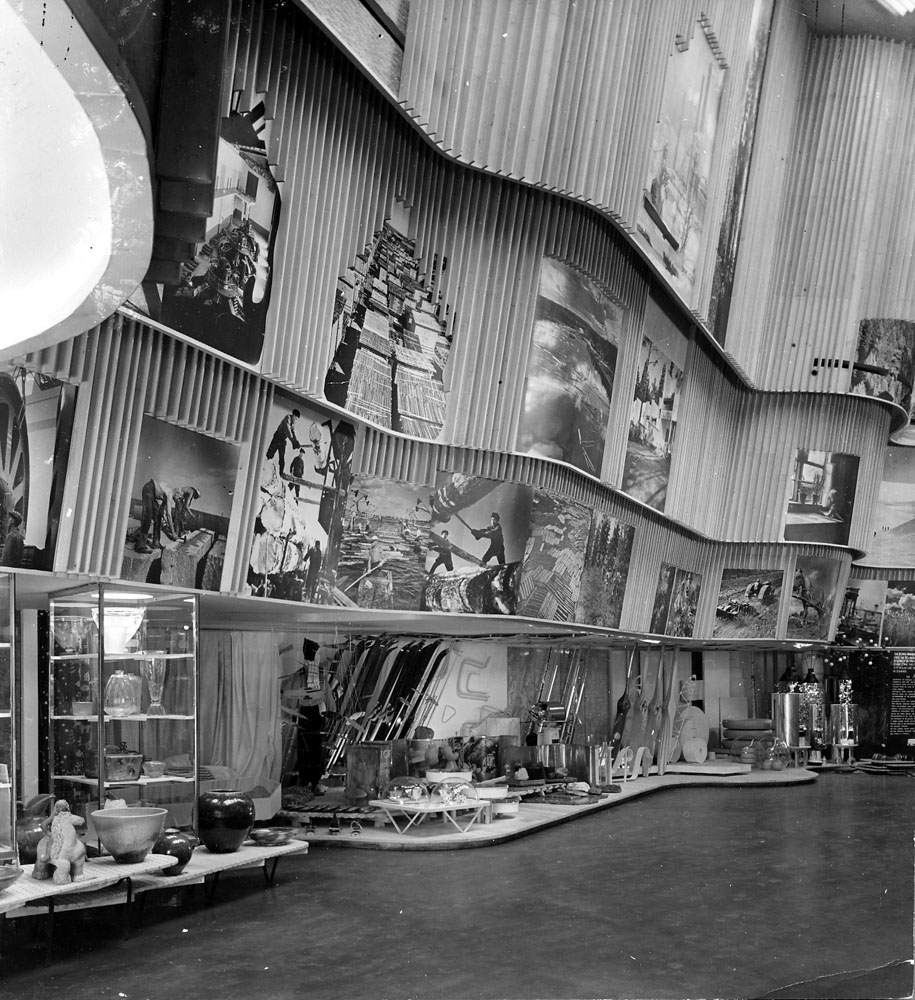
In this context, the summer solstice on 21st June is much celebrated and also fires the starting gun for the annual exodus to the woods. Most employers will allow staff to take off four consecutive weeks at this time of year and its accepted as normal to just receive ‘out of office’ messages through June and July. I suggested to a fairly senior member of the Finnish Embassy in London that, surely she still kept in touch with events while away for so long – to which she replied that as there was no electricity in her cabin her phone just ran down after a couple of days – after which she could start to relax properly.

And that says a lot about the summer houses, many of which are off-grid, without heating, hot water and in many cases indoor toilets – most are simply not suitable for occupation in the winter. Its traditional to spend the first week or so of the holiday fixing/painting/repairing your summer house and this manual work is very much part of the process of winding down – in some contrast to simply heading to the airport and finding yourself in Greece a few hours later. 

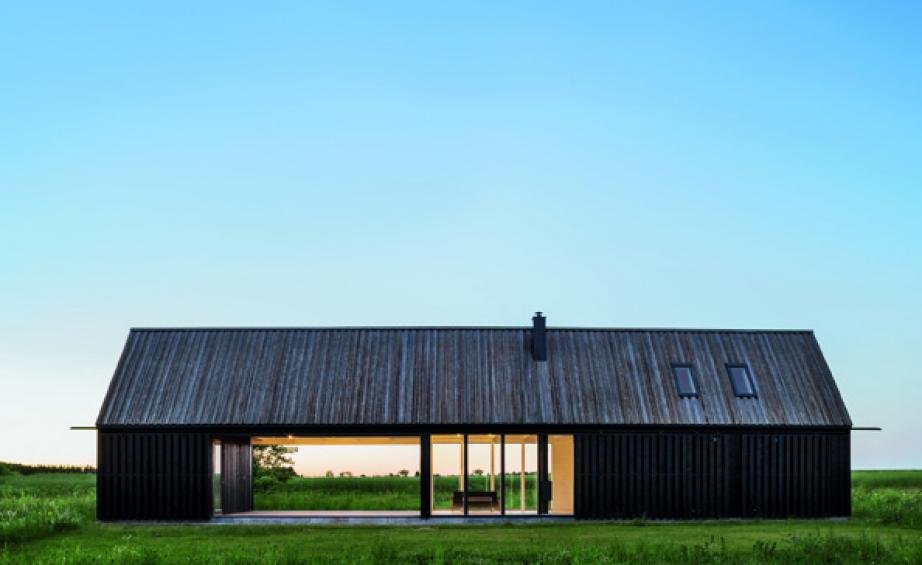
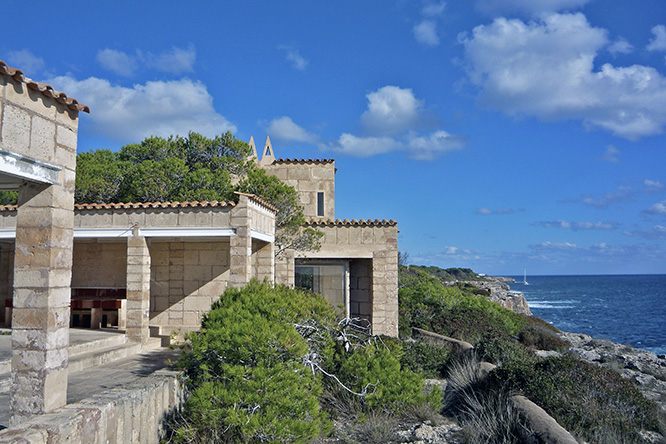
For architects, these have always been seen as great opportunities as there are so few constraints on design, the relationship between house and nature is key and many of the sites available are simply stunning. Modern houses in particular work really well as a foil to the rugged beauty of their sites and in these settings at least, less really does become more. Its not surprising therefore that Alvar Aalto (Blog 12), Oiva Kallio (Blog 19), Gunnar Asplund and Arne Jacobsen all built their own summer houses and even Jorn Utzon’s holiday houses in Majorca (below) can be viewed in this context.

Interestingly, despite this very different lifestyle (or perhaps because of it) GDP per capita in all the Scandinavian countries is above the UK’s.

If you don’t want to miss out on further blogs then please follow me on johngooldstewart.com