
Thomas Tait – Modern Pioneer
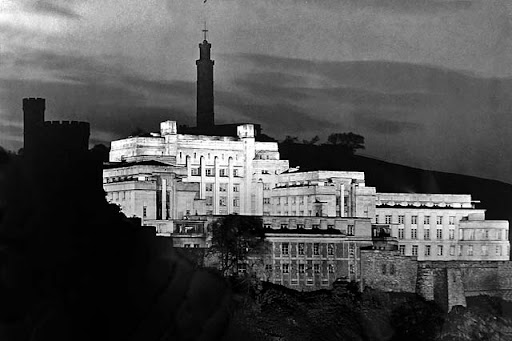
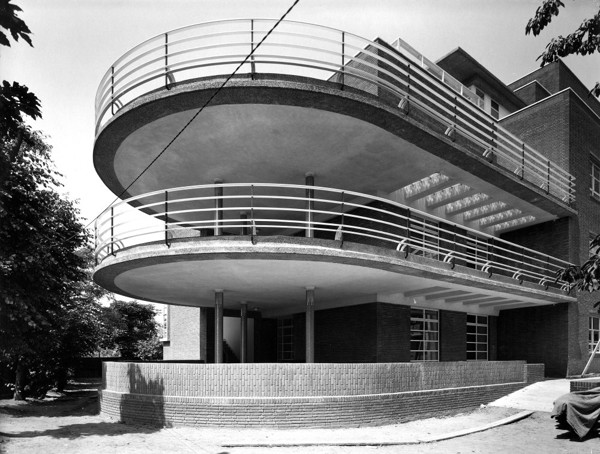
My latest book is on the life and works of Scottish Modernist Thomas Tait, whose very significant contribution to the development of Modern architecture in Britain has, until now, been largely overlooked. Tait’s career commenced as a pupil of the great John James Burnet in Glasgow and he travelled to London with Burnet to work on his major extension to the British Museum. As Burnet’s health deteriorated, Tait took on more and more responsibility within the practice, leading the design on the ground-breaking Kodak House of 1911 and becoming Burnet’s partner after the First World War. His houses at Silver End of the 1920’s led to the establishment of Modernism in Britain while his Ravenscourt Hospital of 1933 was appropriately lauded by the RIBA as their ‘London Building of the Year’. Throughout the 1930’s he was responsible for a number of outstanding commercial buildings in London as well as schools, houses, government and further health buildings in London and Glasgow. His career culminated with his appointment as lead architect for the Glasgow Empire Exhibition of 1938, for which he designed the masterplan, several exhibition halls and what became known as Tait’s Tower, while his Scottish Office Building in Edinburgh – St Andrews House of 1939 – was one of the finest British public buildings of the decade. A fascinating architect whose contribution to the history of British architecture deserves to be much more widely recognised.


 John Stewart