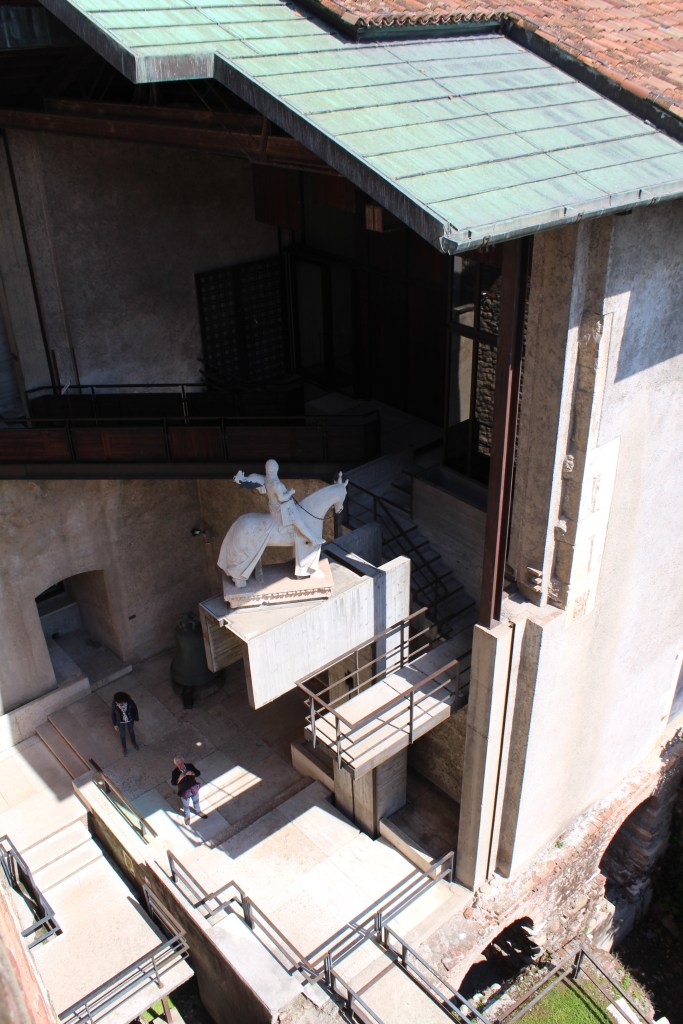
While in Verona several years ago, I had the intense pleasure of visiting the Castelvecchio. It’s the kind of place that you find again and again in Italy, with a history dating back over 2,000 years. The first building on the site was a Roman fortress which was located there to protect a key trade route through the Alps, with the fast-flowing River Adige along its side, providing a useful defence. Most of the castle that we see today was built in the 14th century by Lord Cangrande della Scala, along with the adjacent bridge over the river. The bridge was used as a key route in and out of the walled city of Verona but also provided a fortified escape route north over the river into the Tyrol for the Scaligeri, were they forced to flee their home. In 1923, what had over the years been transformed into something of a palace, was given to the city and opened as a museum for the first time. Much of the castle was badly damaged 20 years later during World War Two by allied bombing, while the bridge was destroyed completely by the retreating German army. This was pretty much the scene of devastation that greeted Carlo Scarpa when he was invited to commence the restoration of the buildings in the late 1950’s.
Scarpa’s work here has become the stuff of architectural legend. Rather than attempting to restore the original building, he created a series of modern interventions, with the existing and the new elements very specifically identified. Such was the clarity, rigour and consistency of his architectural approach that it has become something of a model for many subsequent restorations and building conversions around the globe.
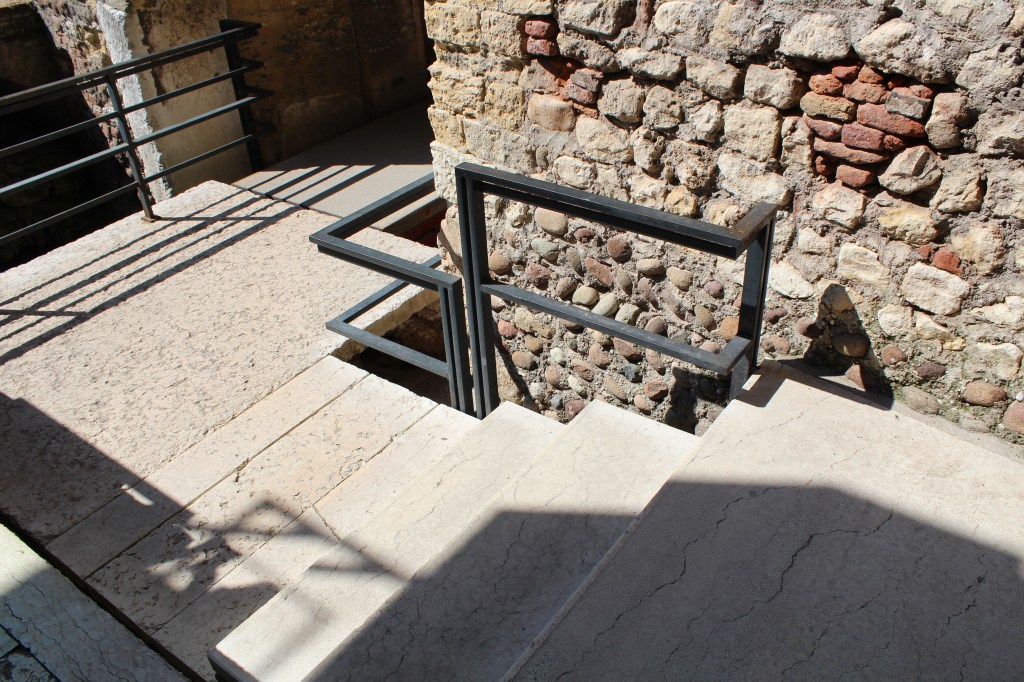
What I didn’t realise until I visited, was that far from inserting a series of modern constructions within a Medieval fabric, Scarpa had actually (quite ruthlessly) declared that everything that had been built after the original 14th century building was “fake” and he thus proposed and then oversaw the removal of the intervening 700 years of architectural history, before starting on his own work, which, it has to be said, is sublime.
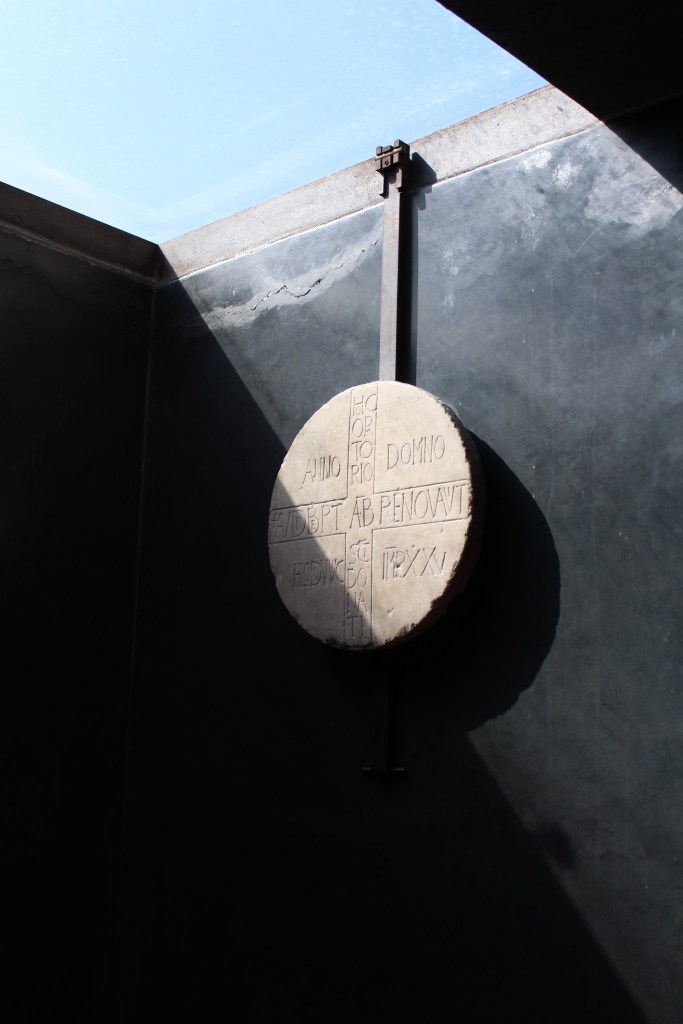
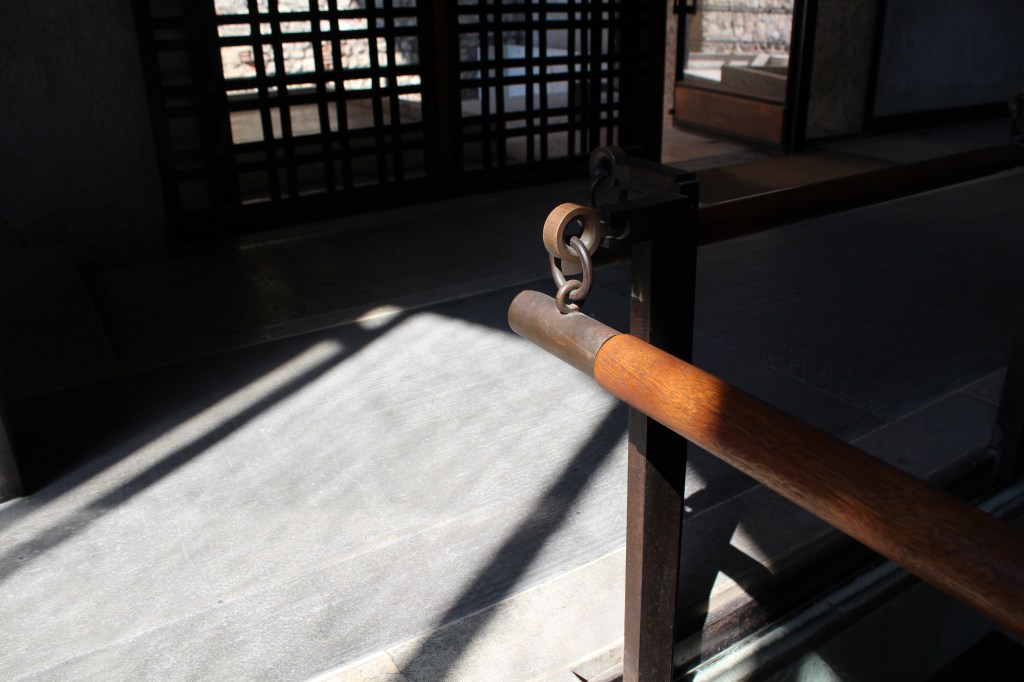
Every building element, every detail, texture and finish, was the subject of his painstaking labour and extraordinary architectural creativity. It achieves that rare state in Modern architecture where originality and perfection coexist. Almost every piece of sculpture or painting in the museum has its own carefully considered location and specifically designed frame or support. Every route has been designed to enhance the total experience, with daylight and sunlight used to enliven your viewing of the objects. It is the result of almost twenty years of Scarpa’s thinking, drawing and experimenting and one of Modernism’s greatest achievements. It certainly beats joining the crowd to photograph Juliet’s balcony…
If you don’t want to miss out on further blogs then please follow me on johngooldstewart.com
 John Stewart