
I’d often wondered how architects in the past got that incredibly rich sculptural detail onto their buildings. Did they have to draw every inch of it for the stone masons or did they have specialists in their team who just dealt with that stuff? I suppose if you are a bit of a genius like Gian Lorenzo Bernini or Michelangelo, you just did it all yourself. But for lesser mortals the answer was a collaboration between architect and sculptor.
Prior to the cult of Modernism (in which such ornament is viewed as sinful), sculptors were expected to not only provide statues, busts and monuments but also to work with architects and masons in providing decoration to works of architecture. This was a genuine collaboration between the best architects and the best sculptors of each period and most worked together regularly throughout their careers, developing a shared understanding of their arts and a consistent approach to their work.
Alexander (Greek) Thomson (architect) worked almost exclusively, for example, with the great John Mossman (sculptor), who was responsible for much of the incised detail and extraordinary eruptions of Thomson’s buildings, including his St Vincent Street Church (of 1857-9 above). The two were close friends and Thomson designed Mossman’s studio with them both leading their arts within Glasgow throughout the middle of the nineteenth century. Mossman was far from simply one of Thomson’s assistants and he produced numerous statues throughout the city as well as several of the most elaborate tombs in the city’s Necropolis.
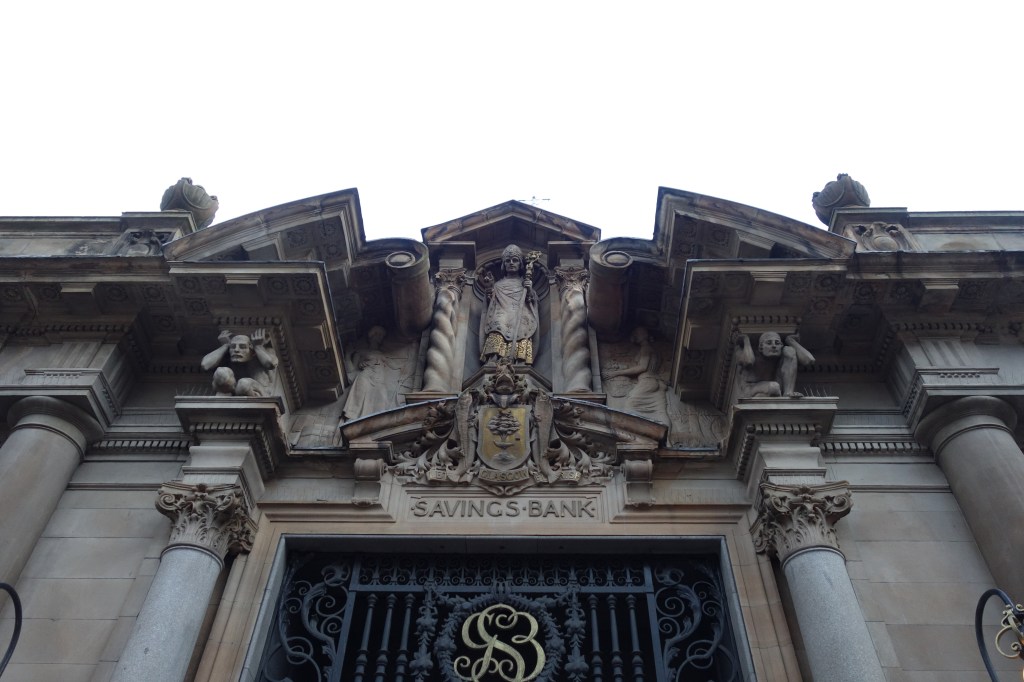
After Thomson’s death, the young John James Burnet was fortunate enough to have the privilege of working with Mossman on several of his first buildings in the city, before establishing a relationship with George Frampton with whom he first collaborated on the Glasgow Savings Bank Hall jointly producing their exuberant Baroque entrance doorway (of 1894, above). This is architecture and sculpture of the highest order, which only the wealth of the British Empire at its height could afford.
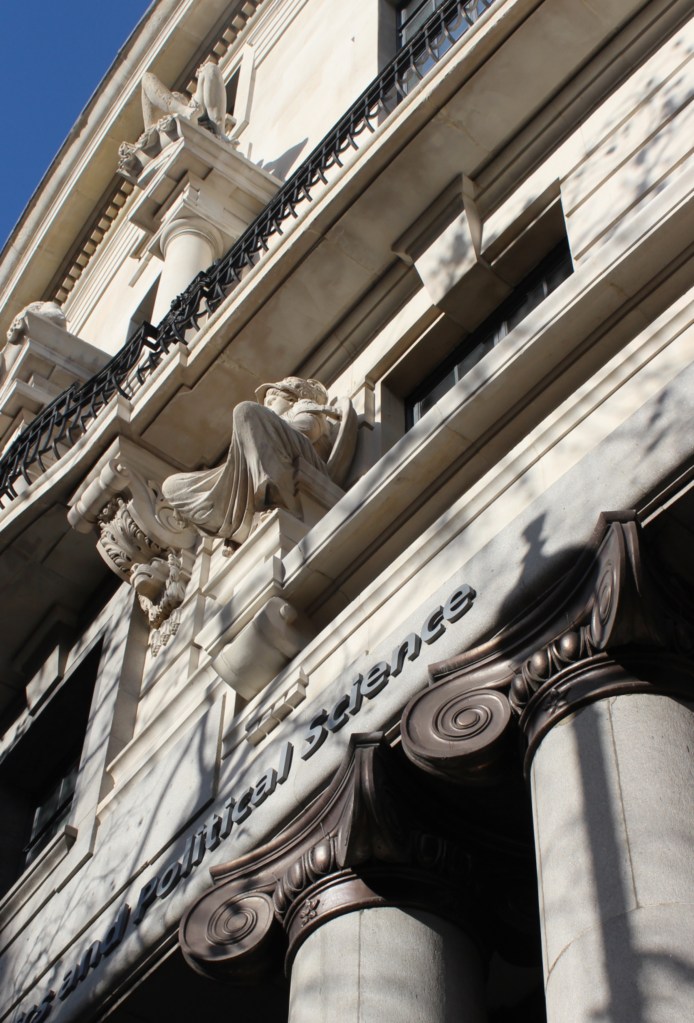
Burnet went on to work with a number of sculptors throughout his long career before abandoning his Baroque for the hairshirt of Modernism. He often worked with Albert Hodge, including on 99 The Aldwych (1909-11 above), with Hodge also collaborating with James Miller, Ernest George and Aston Webb and towards the end of his career, Burnet formed a close working relationship with William Reid Dick, with whom he worked on the vast Unilever House and Adelaide House, both on the banks of the Thames, before, like Greek Thomson before him, also designing Dick’s own studio.
These were remarkable creative partnerships between artists of outstanding ability which should be treasured as a key part of Britain’s artistic heritage.
Look out for my joint biography of John James Burnet and James Miller which is due to be published in 2021.
If you don’t want to miss out on further blogs then follow me on johngooldstewart.com
 John Stewart