Prague Castle
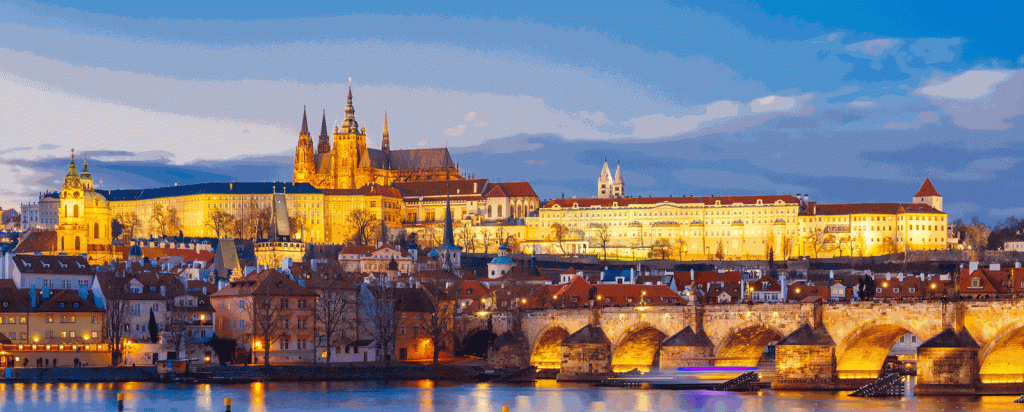
The architect Jože Plečnik emerged from that crucible of creativity that was Vienna around 1900. Gustav Klimt, Joseph Maria Olbrich and Josef Hoffman founded the Secession in 1897 with Otto Wagner joining them a few years later and it was in Wagner’s office that Plečnik learnt his trade before moving to Prague, to take up the position of Professor of Decorative Architecture at the Academy of Applied Arts in 1910. In 1920 he was appointed as architect for the renovation of Prague Castle by Tomáš Masaryk, the first president of the new Czechoslovak Republic, who wished to establish it as the official presidential residence and Plečnik continued to work on the project until 1934.
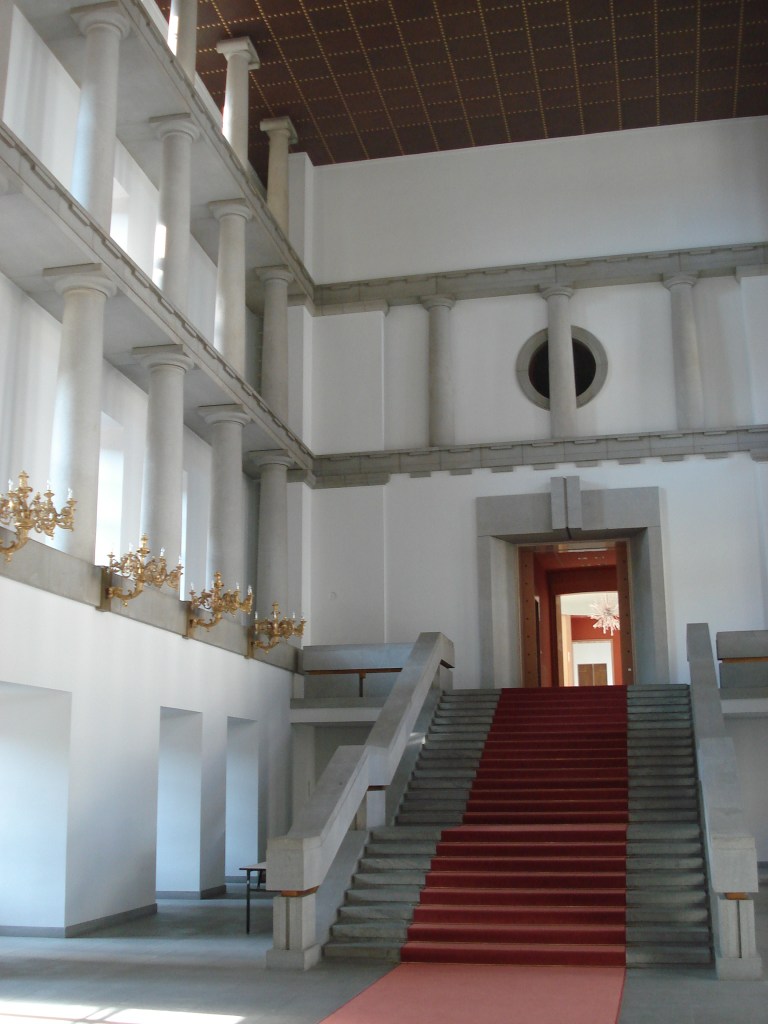
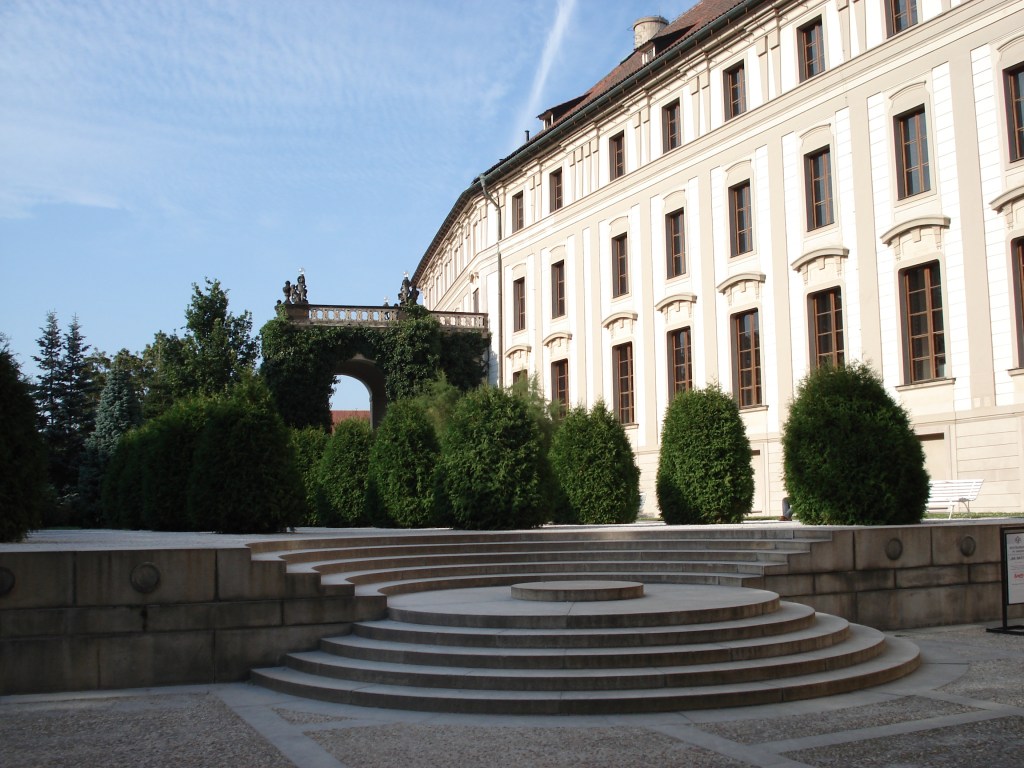
The castle is actually a vast hilltop fortified town within the city, which had previously served as the seat of the Bohemian kings and the Holy Roman emperors but by the end of WW1 it had fallen into considerable disrepair. As well as the renovation of the castle, Plečnik’s brief was to provide a series of new internal and external reception spaces to serve the new government and to act as a symbol of their new-found independence and commitment to democracy. Plečnik’s strategy was to respect the extraordinary 1000 year history of the buildings while reorganising the spatial sequence of the complex to better reflect its new role.
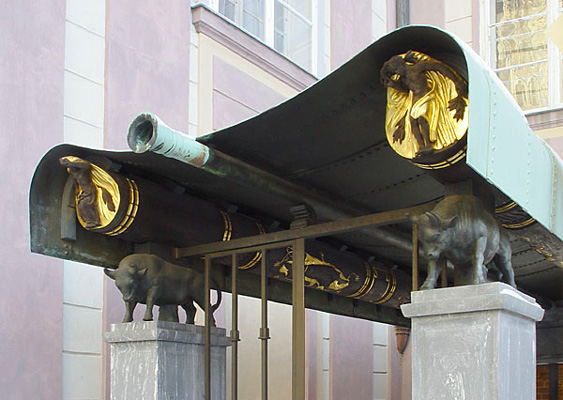
Unlike Carlo Scarpa in his Castelvecchio Museum (Blog 17), rather than stripping spaces back to their basic structure and then adding distinctly contemporary interventions, Plečnik restored many of the interiors completely and designed his new spaces in a style which was sympathetic to the spirit of the building. Mannerism probably best describes his approach, but his extraordinary creativity went way beyond a single stylistic straitjacket. It was largely classical in its basic elements, but refreshed and invigorated, rather than simply reproduced correctly.
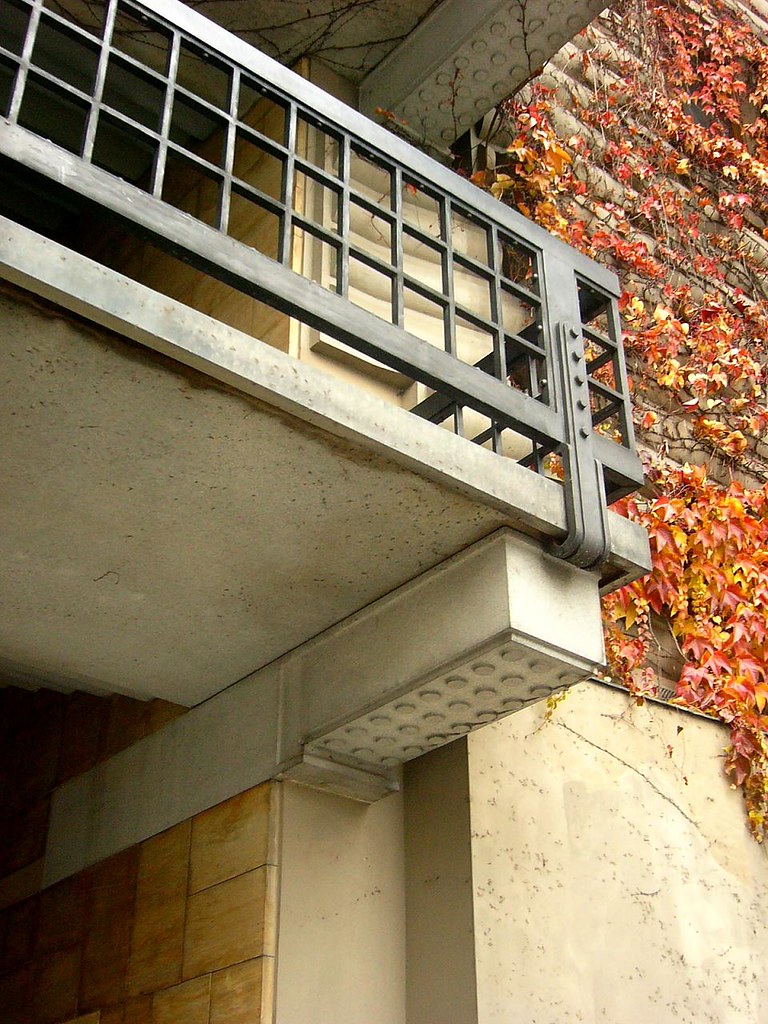
At first his work seems in complete contrast to the zeitgeist, but on closer study has much in common with other architects of the period such as Asplund in Sweden in his classical period prior to 1930, Heinrich Tessenow in Germany or even Edwin Lutyens at his quirkiest. They all demonstrate the continuing rich possibilities of the classical language when it is used to form the basis of a contemporary architecture which responds to today’s needs – many of which are new but more of which are timeless reflections of the human condition.
If you don’t want to miss out on further blogs then please follow me on johngooldstewart.com


What a great architect Plecnik was. Had such a wonderful time sampling his works in Lujubljana as well as Prague
LikeLike