Alvar Aalto – Modern Master

One of the most interesting aspects of Alvar Aalto’s career was that he was a distinctly average architecture student and a follower for many years before he became a leader of his art and profession. Most of his contemporaries that remembered him at all as a student, recalled only that he was “louder” than the rest of his class and his former tutors consistently commented on his behaviour rather than the quality of his work.
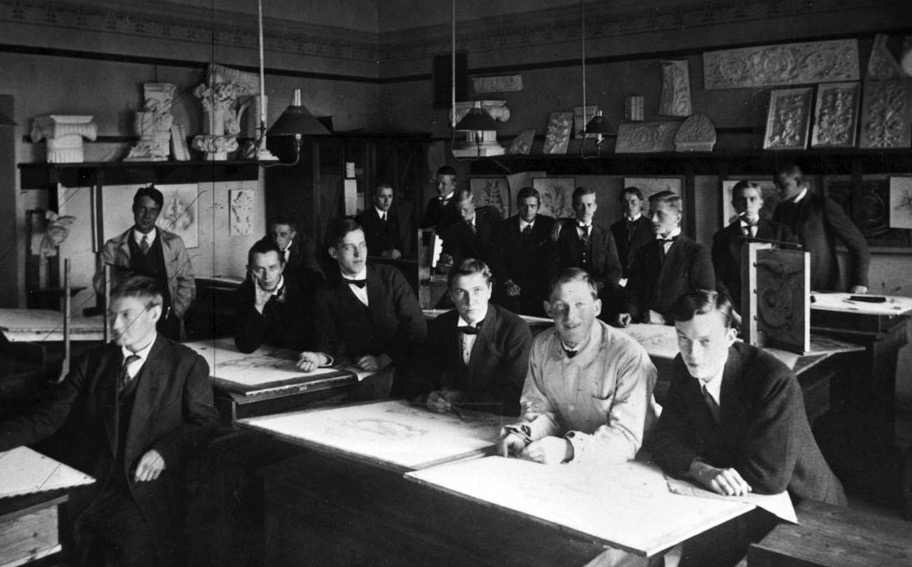
As a young architect he was a dedicated acolyte of Gunnar Asplund (despite having been turned down for a job in his practice in Stockholm) and if you described his early designs after starting his practice as “owing a considerable amount to the work of Asplund” you’d be very generous. His early buildings such as the Workers Club in Jyvaskyla or the Civil Defence buildings in Seinäjoki were as good as anything else in contemporary Finland, but they were almost entirely reworkings of elements from the completed buildings of the Swedish master.

His move from his hometown of Jyvaskyla to Turku on the west coast of Finland was partly to do with supervising the construction of the massive Southwest Finland Agricultural Cooperative Building which was sited there, but just as much to be nearer Asplund in Stockholm, just across the Gulf of Bothnia. But it was there instead that he met the quiet but extremely capable Erik Bryggman with whom he collaborated and who first exposed the young Aalto to the new European Modernism that would soon replace Nordic Classicism as the preeminent style throughout Scandinavia.

For Aalto it was a damascene conversion and he spent much of his energy in 1928 converting unbuilt Classical commissions into the new Functional style – out went the classical friezes and in came the tubular handrails. The drawings for the Cooperative Building were thus stripped of all Classical detail in January 1928 and Viipuri Library, the Jyvaskyla Defence Corps Building and Muurame Church were similarly transformed in the summer of that year.
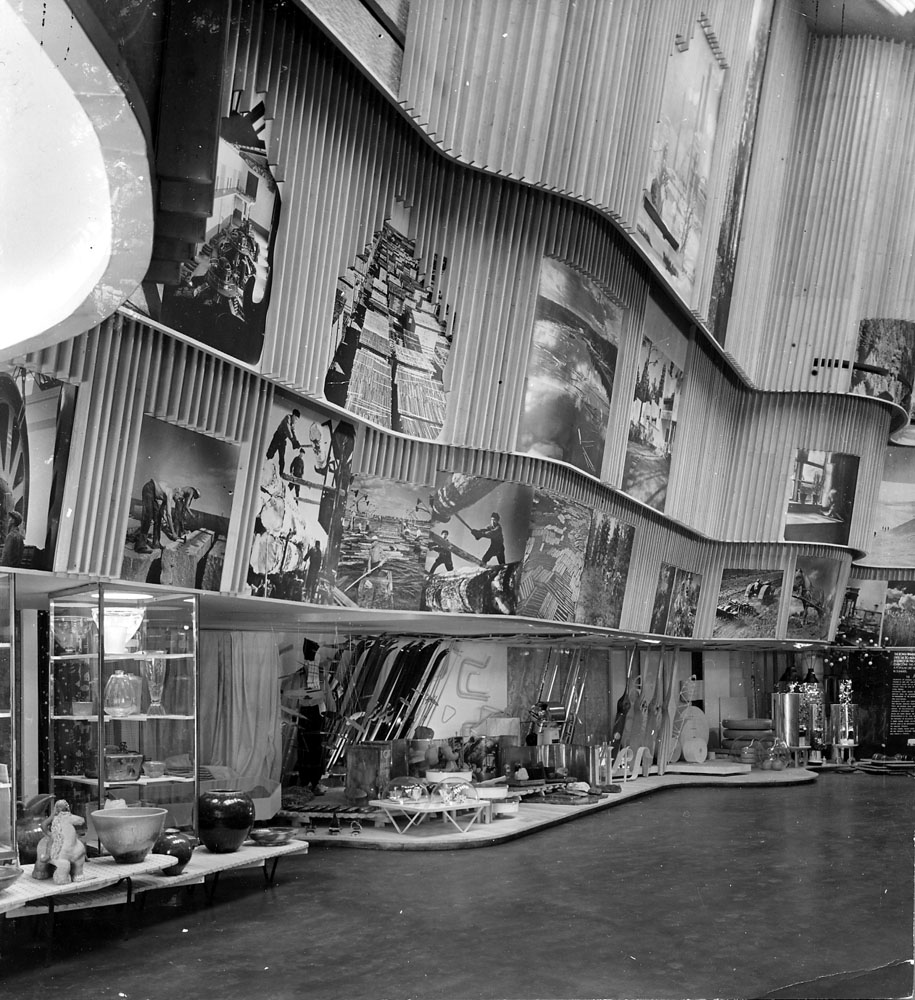
Unlike many of his contemporaries however, Aalto had immediately grasped, not only the stylistic expressions of the new Functionalism – but that it represented a new way of designing buildings based on a return to first principles and the needs of the building’s users and it was an approach which, as we know, he would soon master – eventually even enjoying the friendship and admiration of the great Gunnar Asplund.
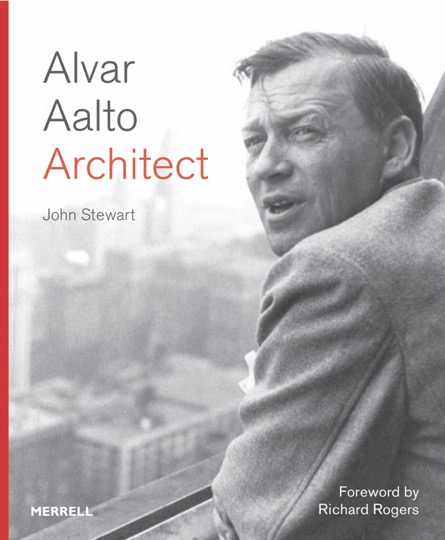
My book ‘Alvar Aalto Architect’ is available on Amazon and if you don’t want to miss out on further blogs then please follow me on johngooldstewart.com


Great detective work John; that’s the way to write history, find the reasons why people did things and what was happening around them. There’s a reason for everything (except covid passports of course ha ha)
LikeLike