
My latest book is a paean to the lost art of architectural sculpture in which architects and sculptors collaborated to produce the richly carved and beautifully decorated buildings that make up so much of our rich British architectural heritage.
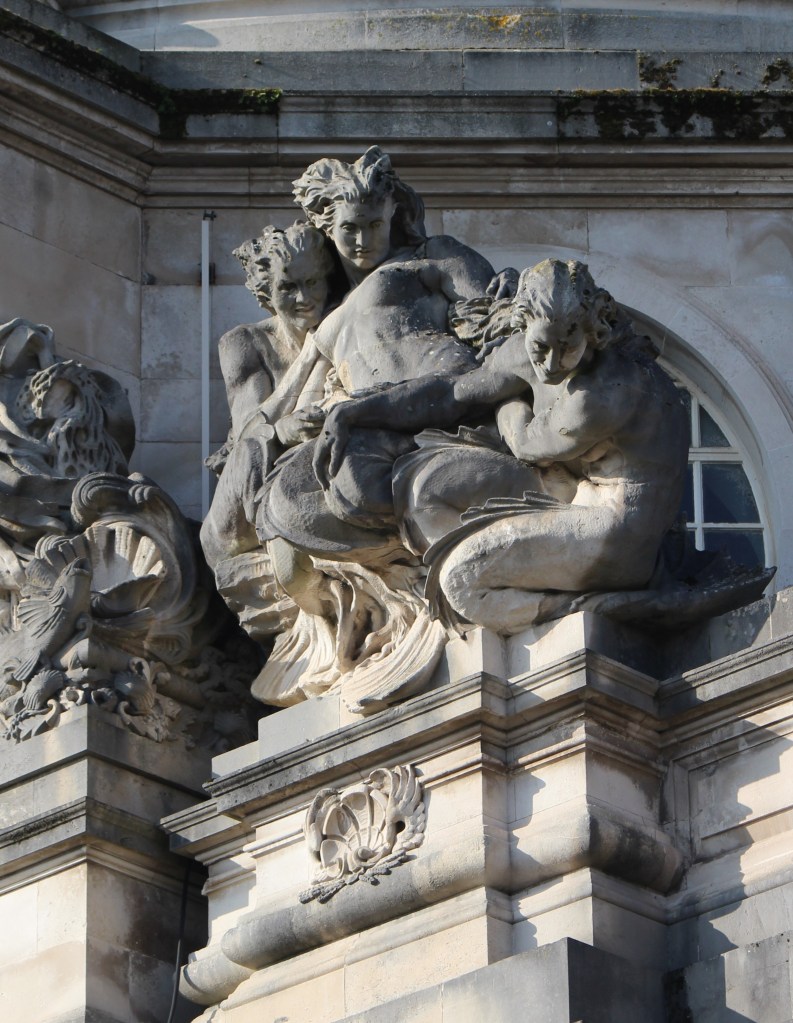
When researching the Glasgow architects JJ Burnet and James Miller for my previous book on their lives and work, I began to understand for the first time just how their ornate stone buildings were produced and in particular how sculpture was incorporated within them and by whom. What I discovered was a complex process involving masons, stone carvers, architectural sculptors and occasionally fine art sculptors who worked in collaboration with architects to create complex detail and sculpture in stone, terracotta, faience and eventually concrete.
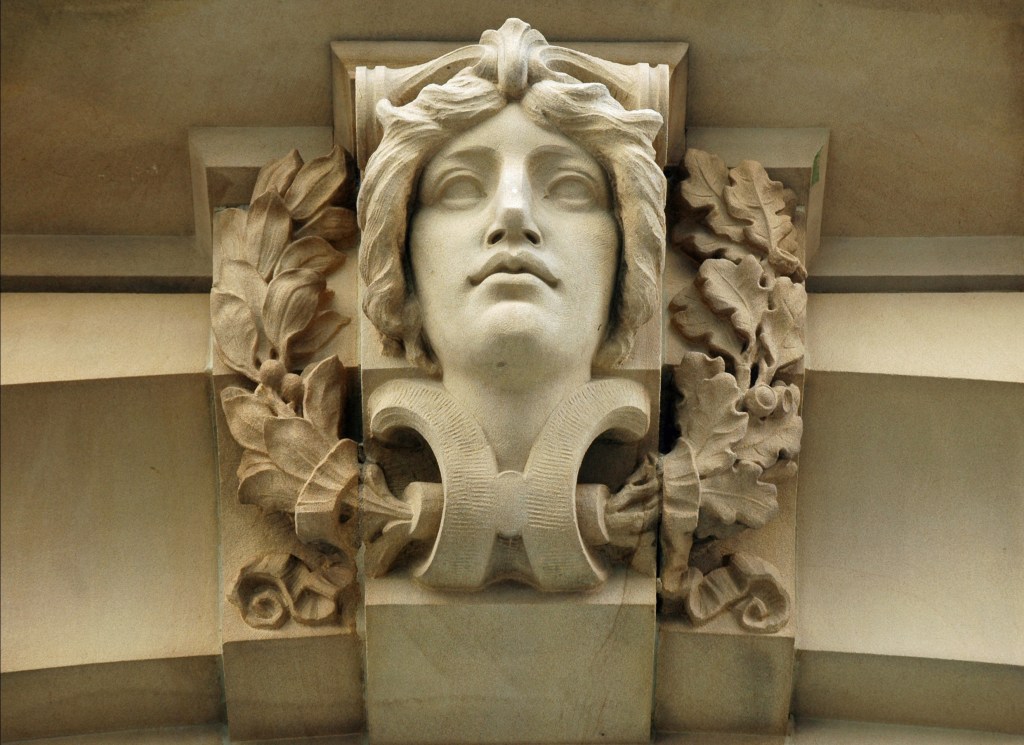
Many of the sculptors involved built their career in sculpture from humble beginnings as stone masons’ apprentices, going on to establish their own studios as architectural sculptors and occasionally as fine art sculptors too – Albert Hodge, for example, born on the tiny Hebridean island of Islay, having first trained as an architect, went on to become one of the leading architectural sculptors of his day working for James Salmon, William Leiper and James Miller in Glasgow before going on to create sculpture on major buildings throughout England, Wales and Canada. Others trained as fine art sculptors in the studios of master sculptors such as Henry Charles Fehr who was an assistant to Thomas Brock and counted architectural sculpture as simply one of his creative outlets along with statuary, busts and medals while others still, such as the brilliant George Frampton who was one of the leaders of the late nineteenth century New Sculpture Movement, produced much of their finest work as architectural sculpture.
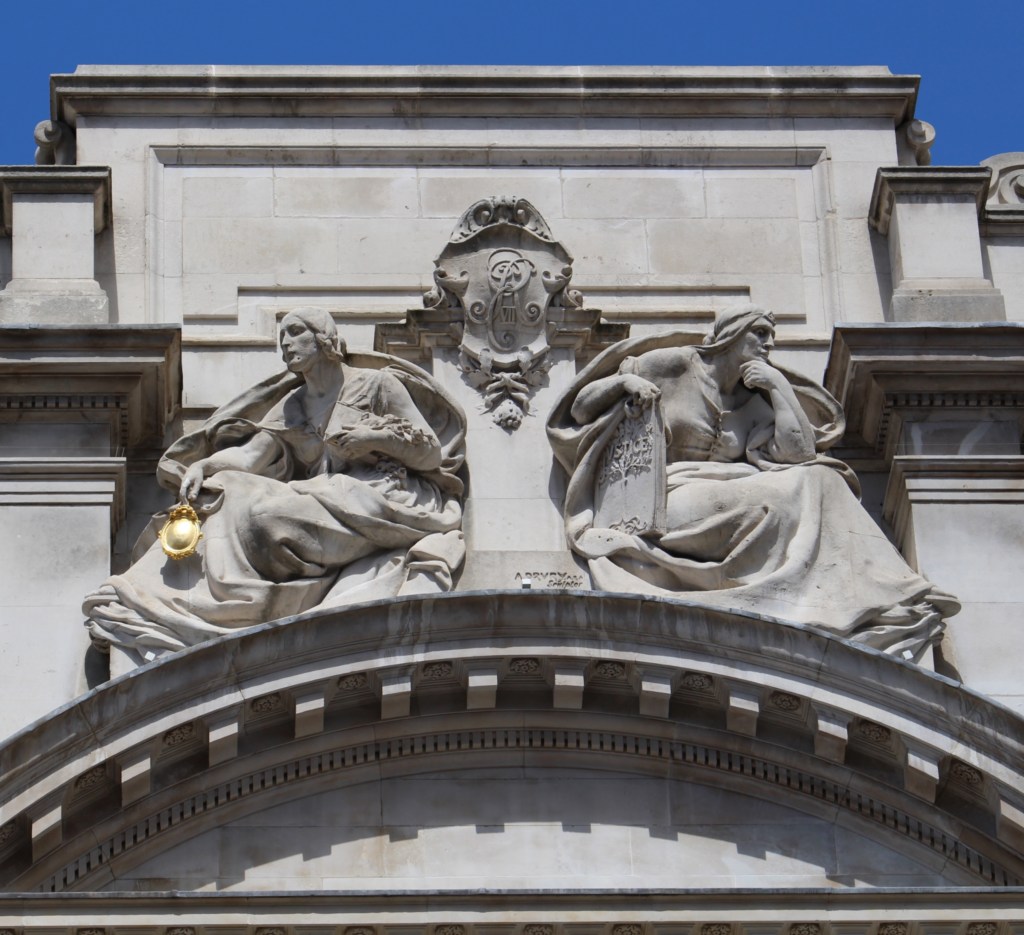
Their extraordinary art relied on carving and casting masonry and with the emergence of Modernism in the 20thcentury it was a practice which was doomed as building construction became simpler, materials and components mass-produced and ornament became both unaffordable and irrelevant within the new Functional style. My book traces the greatest period of British architectural sculpture during which the wealth of the British empire was celebrated in masonry, from the Great Exhibition of 1851 until the Festival of Britain in 1951, by which time this art form was little understood and rarely appreciated. The book is a tribute to these exceptional artists and to their work, much of which survives today, high above the streets of our towns and cities.
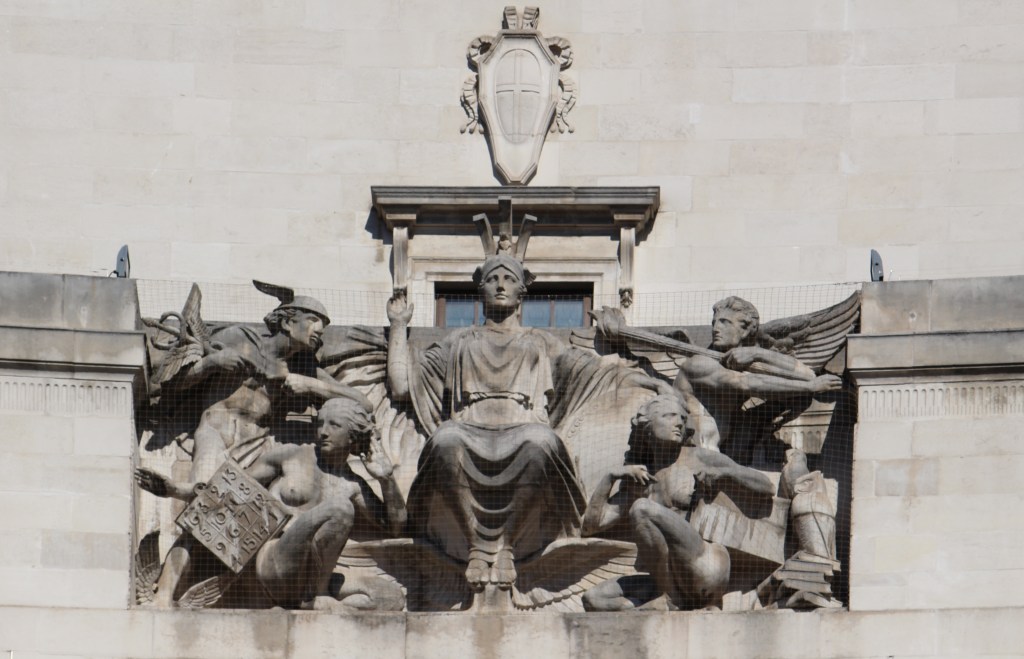
British Architectural Sculpture 1851-1951 will be published by Lund Humphries in May 2024.

If you don’t want to miss out on further blogs, please follow me at johngooldstewart.com.
 John Stewart