The New Sculpture

One of the joys of researching my latest book on Architectural sculpture was discovering more about the late nineteenth century New Sculpture Movement. Inspired by the works of Alfred Stevens, Aime-Jules Dalou and Frederick Leighton a new generation of sculptors including George Frampton, Alfred Gilbert and Harry Bates brought a new vitality and emotional impact to their art. Marble was generally abandoned in favour of bronze and the cire-perdue method of casting offered a new richness of texture to their work.
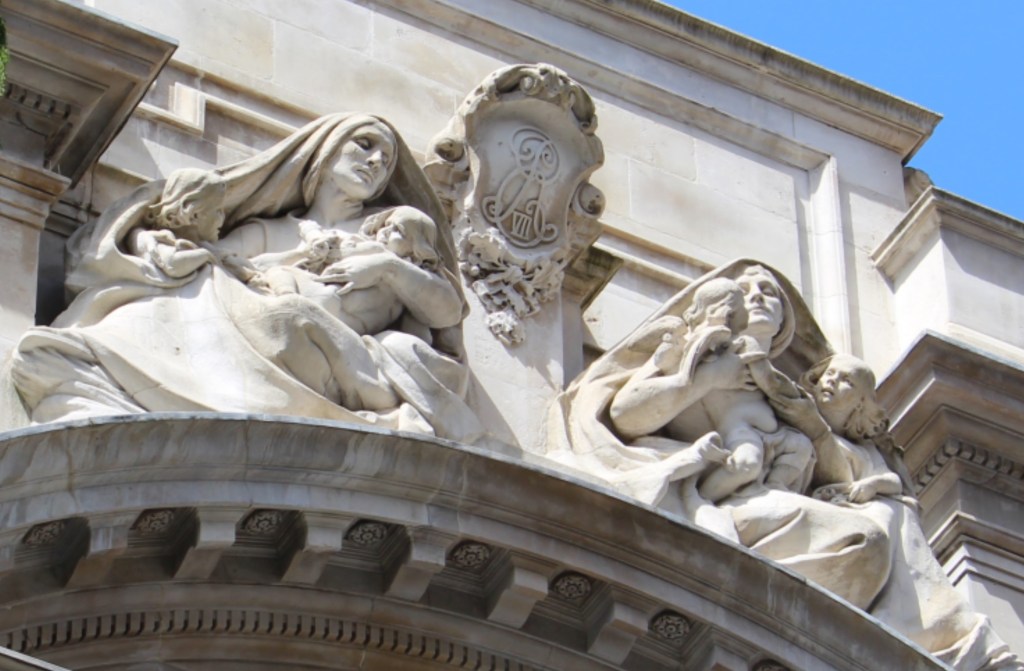
Unusually for fine art sculptors, architectural sculpture was one of their favoured mediums (along with traditional statuary, relief panels and medals) and the new style successfully translated into sandstone or Portland stone with their allegorical works fully integrated within the overall architectural composition. Fortunately, a huge number of examples of their work survive and are thus on permanent public display. These range from Frampton’s magisterial bronze Saint Mungo at the entrance to the Glasgow Art Galleries and Museum to Harry Bates haunting evocations of War and Peace on the Old War Office in London and Henry Poole’s writhing Mermaids and Mermen on Cardiff City Hall.
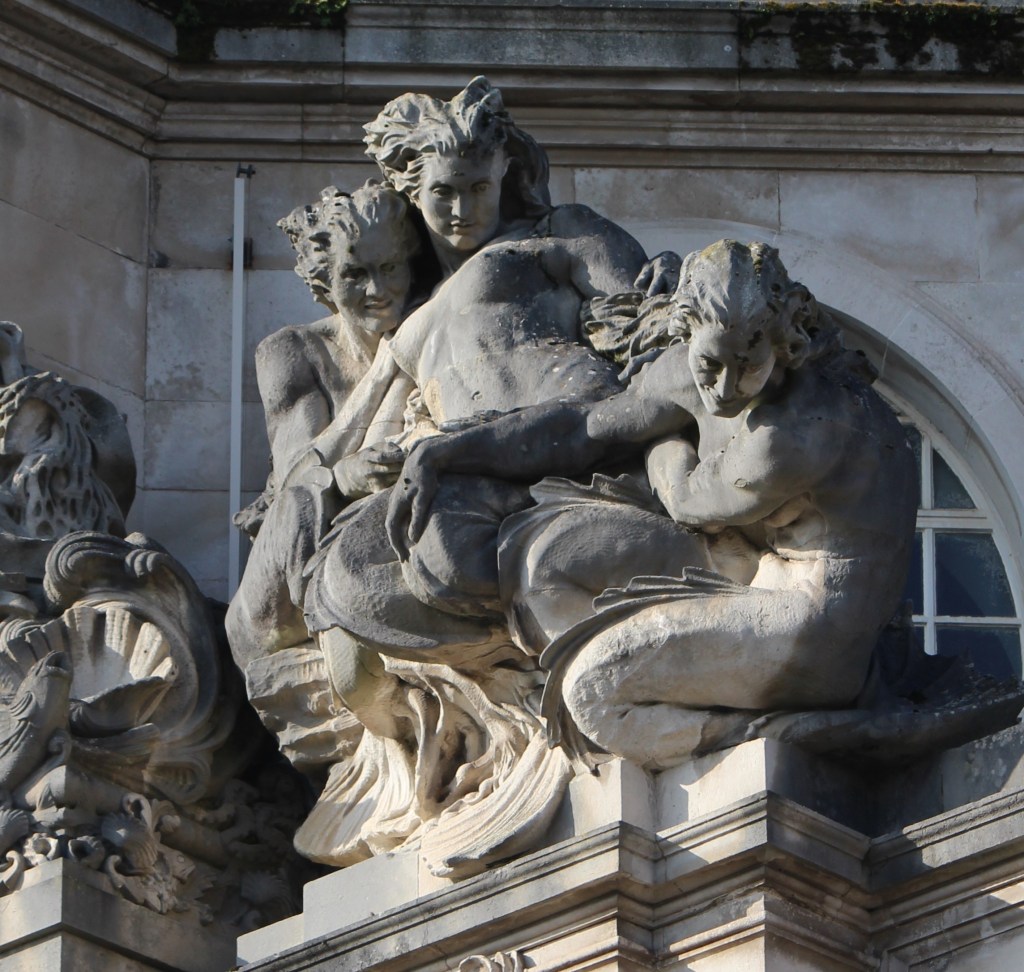
Though the movement reached its peak prior to the First World War, its influence on the extraordinary quantity and quality of the sculpture which commemorated the terrible loss of life was much in evidence in the work of the next generation of sculptors who were commissioned to provide memorials. Several of these, including perhaps the most famous British war memorial sculptor, Charles Sargeant Jagger, had also served at the front and thus brought a searing new realism to their commemorative sculpture. And so, from the horrors of war, arose one of the greatest collections of public sculptures which remain as powerful today as when they were when first unveiled a century ago.

My book on British Architectural Sculpture will be published by Lund Humphries in April 2024 and if you don’t want to miss out on further blogs, please follow me at johngooldstewart.com.

 John Stewart