Blog 18

I’d often wondered how architects in the past got that incredibly rich sculptural detail onto their buildings. Did they have to draw every inch of it for the stone masons or did they have specialists in their team who just dealt with that stuff? I suppose if you are a bit of a genius like Gian Lorenzo Bernini or Michelangelo, you just did it all yourself. But for lesser mortals the answer was a collaboration between architect and sculptor.

Prior to the cult of Modernism (in which such ornament is viewed as sinful), sculptors were expected to not only provide statues, busts and monuments but also to work with architects and masons in providing decoration to works of architecture. This was a genuine collaboration between the best architects and the best sculptors of each period and most worked together regularly throughout their careers, developing a shared understanding of their arts and a consistent approach to their work.

Alexander (Greek) Thomson (architect) worked almost exclusively, for example, with the great John Mossman (sculptor), who was responsible for much of the incised detail and extraordinary eruptions of Thomson’s buildings, including his St Vincent Street Church (of 1857-9 above). The two were close friends and Thomson designed Mossman’s studio with them both leading their arts within Glasgow throughout the middle of the nineteenth century. Mossman was far from simply one of Thomson’s assistants and he produced numerous statues throughout the city as well as several of the most elaborate tombs in the city’s Necropolis.
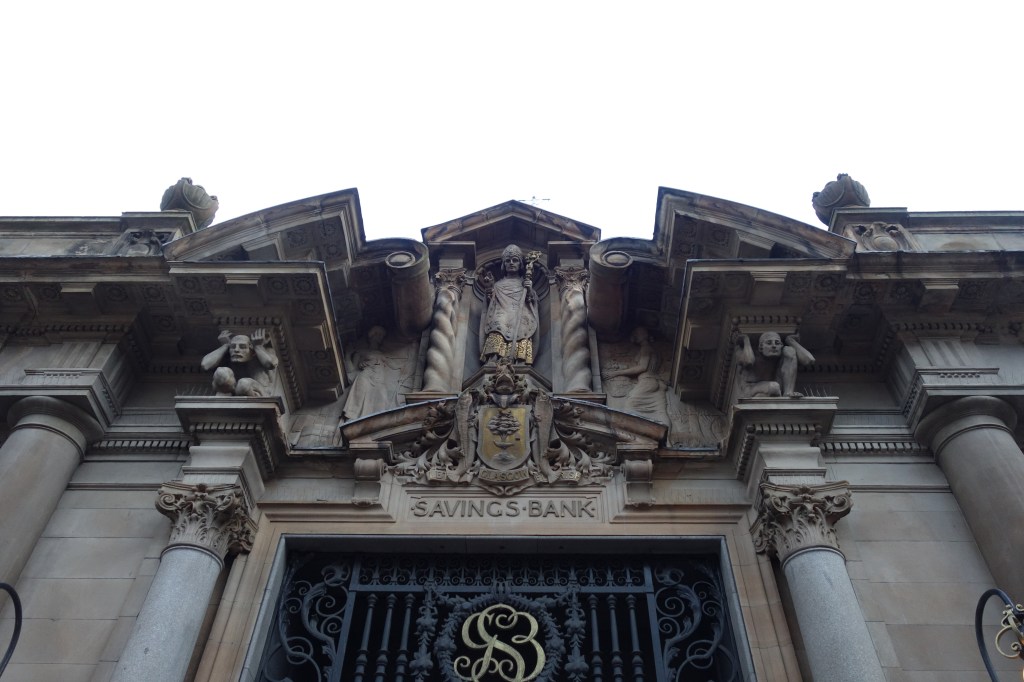
After Thomson’s death, the young John James Burnet was fortunate enough to have the privilege of working with Mossman on several of his first buildings in the city, before establishing a relationship with George Frampton with whom he first collaborated on the Glasgow Savings Bank Hall jointly producing their exuberant Baroque entrance doorway (of 1894, above). This is architecture and sculpture of the highest order, which only the wealth of the British Empire at its height could afford.
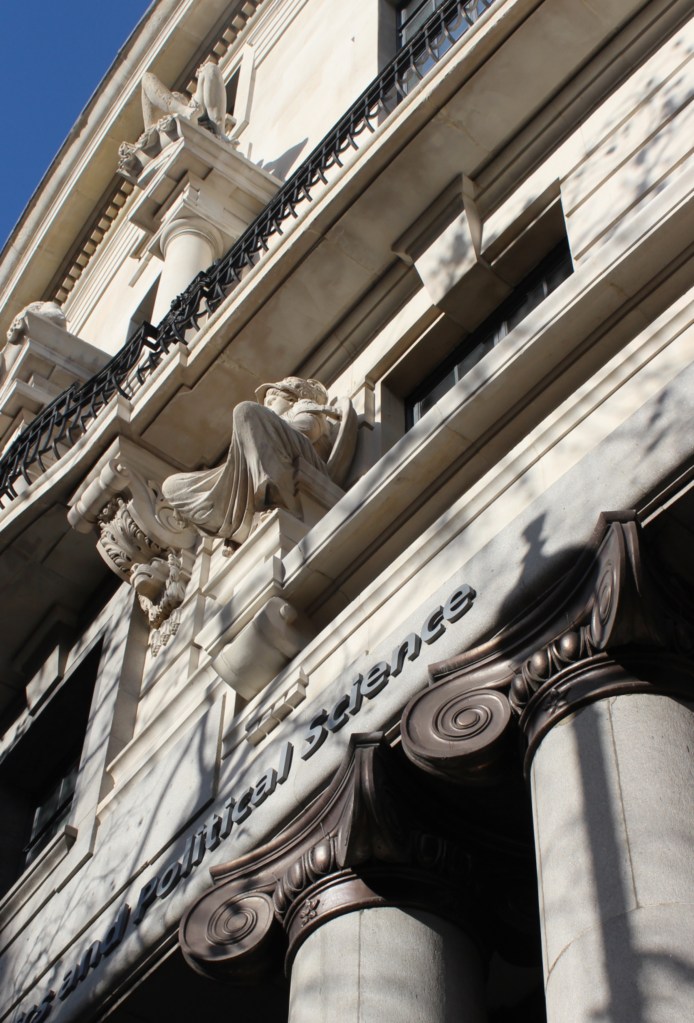
Burnet went on to work with a number of sculptors throughout his long career before abandoning his Baroque for the hairshirt of Modernism. He often worked with Albert Hodge, including on 99 The Aldwych (1909-11 above), with Hodge also collaborating with James Miller, Ernest George and Aston Webb and towards the end of his career, Burnet formed a close working relationship with William Reid Dick, with whom he worked on the vast Unilever House and Adelaide House, both on the banks of the Thames, before, like Greek Thomson before him, also designing Dick’s own studio.

These were remarkable creative partnerships between artists of outstanding ability which should be treasured as a key part of Britain’s artistic heritage.

Look out for my joint biography of John James Burnet and James Miller which is due to be published in 2021.

If you don’t want to miss out on further blogs then follow me on johngooldstewart.com
Blog 17

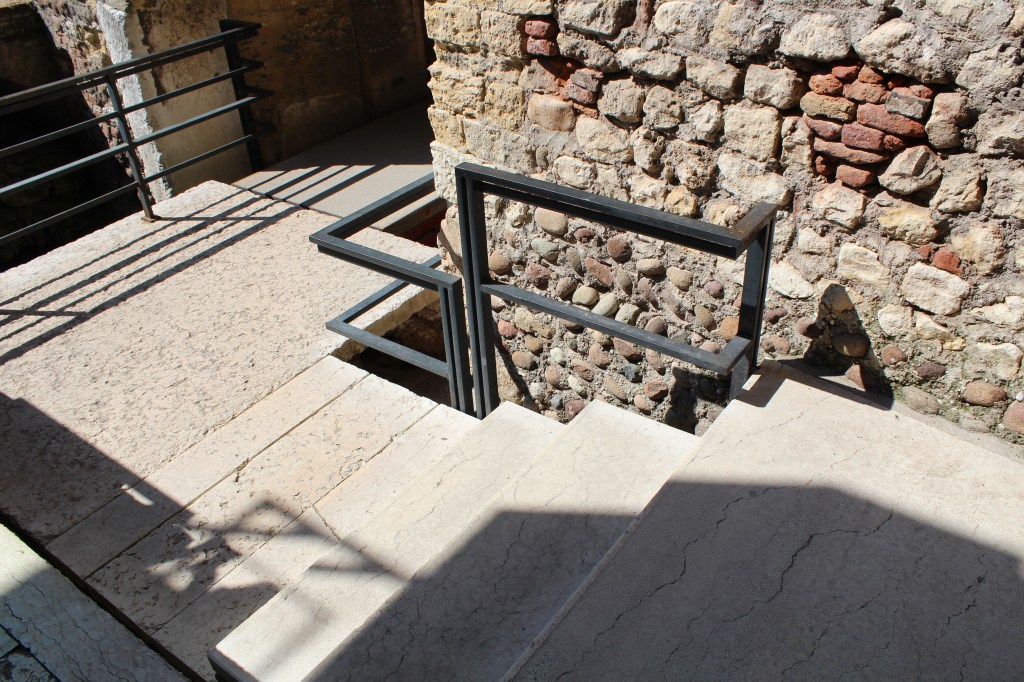
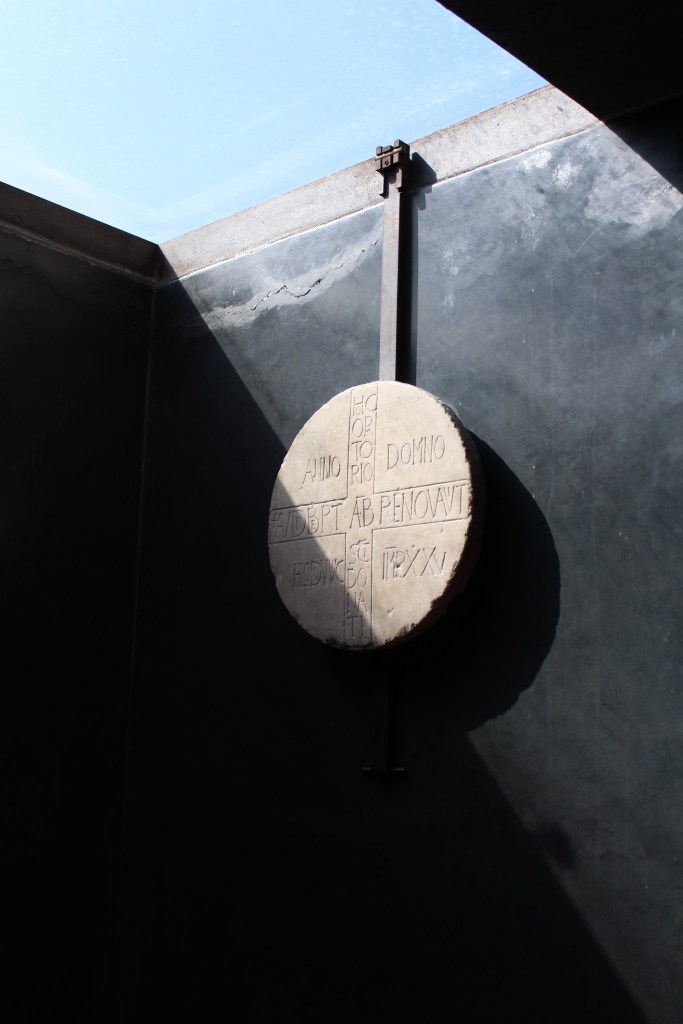
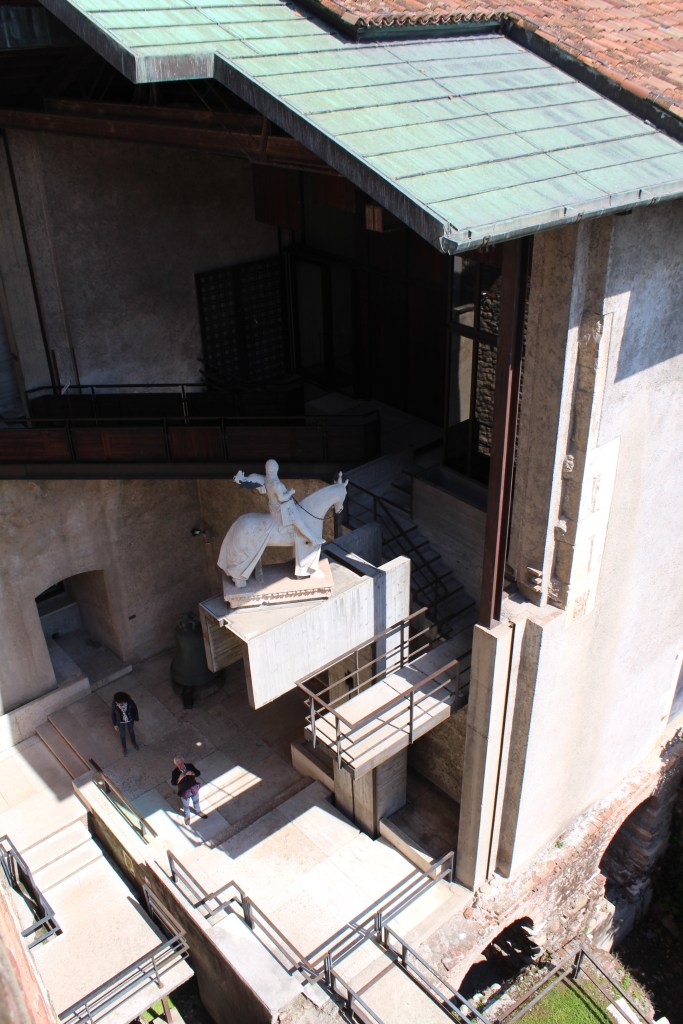
While in Verona several years ago, I had the intense pleasure of visiting the Castelvecchio. It’s the kind of place that you find again and again in Italy, with a history dating back over 2,000 years. The first building on the site was a Roman fortress which was located there to protect a key trade route through the Alps, with the fast-flowing River Adige along its side, providing a useful defence. Most of the castle that we see today was built in the 14th century by Lord Cangrande della Scala, along with the adjacent bridge over the river. The bridge was used as a key route in and out of the walled city of Verona but also provided a fortified escape route north over the river into the Tyrol for the Scaligeri, were they forced to flee their home. In 1923, what had over the years been transformed into something of a palace, was given to the city and opened as a museum for the first time. Much of the castle was badly damaged 20 years later during World War Two by allied bombing, while the bridge was destroyed completely by the retreating German army. This was pretty much the scene of devastation that greeted Carlo Scarpa when he was invited to commence the restoration of the buildings in the late 1950’s.

Scarpa’s work here has become the stuff of architectural legend. Rather than attempting to restore the original building, he created a series of modern interventions, with the existing and the new elements very specifically identified. Such was the clarity, rigour and consistency of his architectural approach that it has become something of a model for many subsequent restorations and building conversions around the globe.

What I didn’t realise until I visited, was that far from inserting a series of modern constructions within a Medieval fabric, Scarpa had actually (quite ruthlessly) declared that everything that had been built after the original 14th century building was “fake” and he thus proposed and then oversaw the removal of the intervening 700 years of architectural history, before starting on his own work, which, it has to be said, is sublime. 

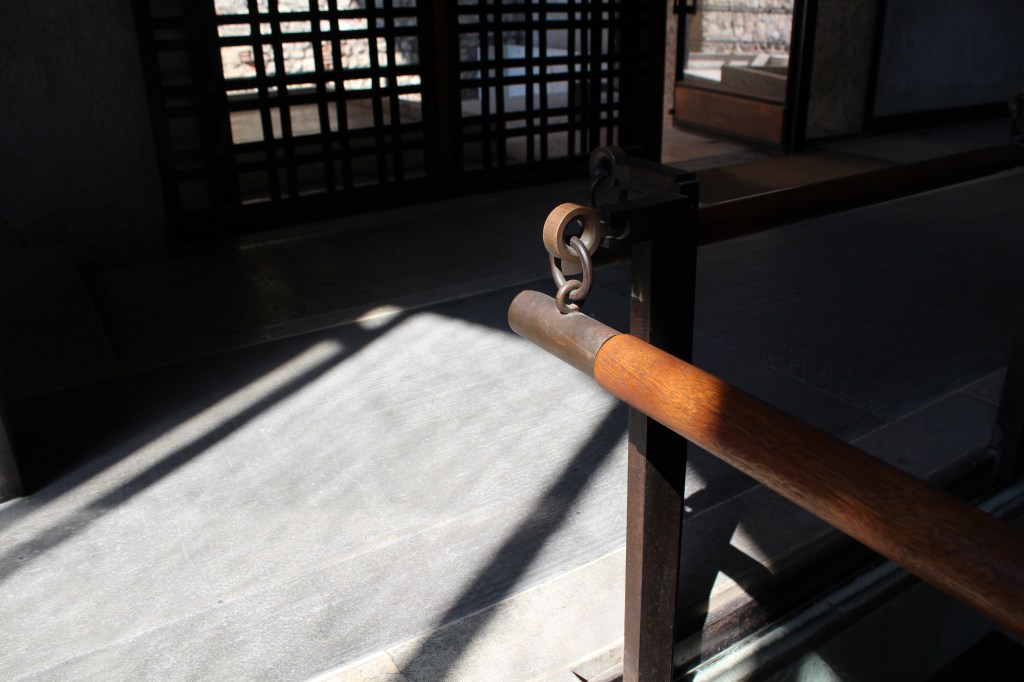
Every building element, every detail, texture and finish, was the subject of his painstaking labour and extraordinary architectural creativity. It achieves that rare state in Modern architecture where originality and perfection coexist. Almost every piece of sculpture or painting in the museum has its own carefully considered location and specifically designed frame or support. Every route has been designed to enhance the total experience, with daylight and sunlight used to enliven your viewing of the objects. It is the result of almost twenty years of Scarpa’s thinking, drawing and experimenting and one of Modernism’s greatest achievements. It certainly beats joining the crowd to photograph Juliet’s balcony…

If you don’t want to miss out on further blogs then please follow me on johngooldstewart.com

Blog 16

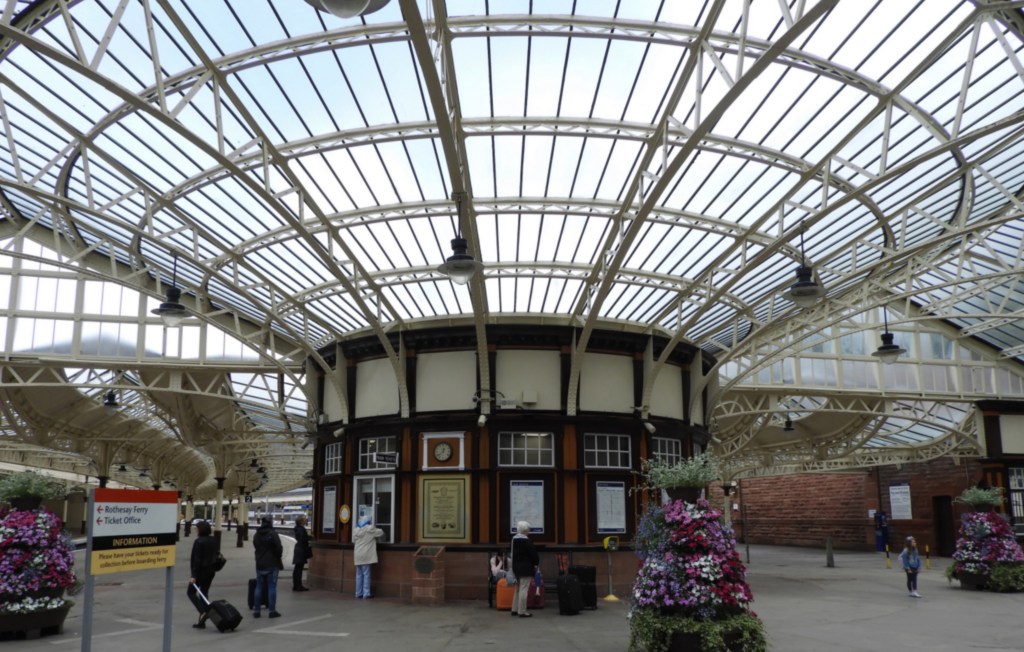
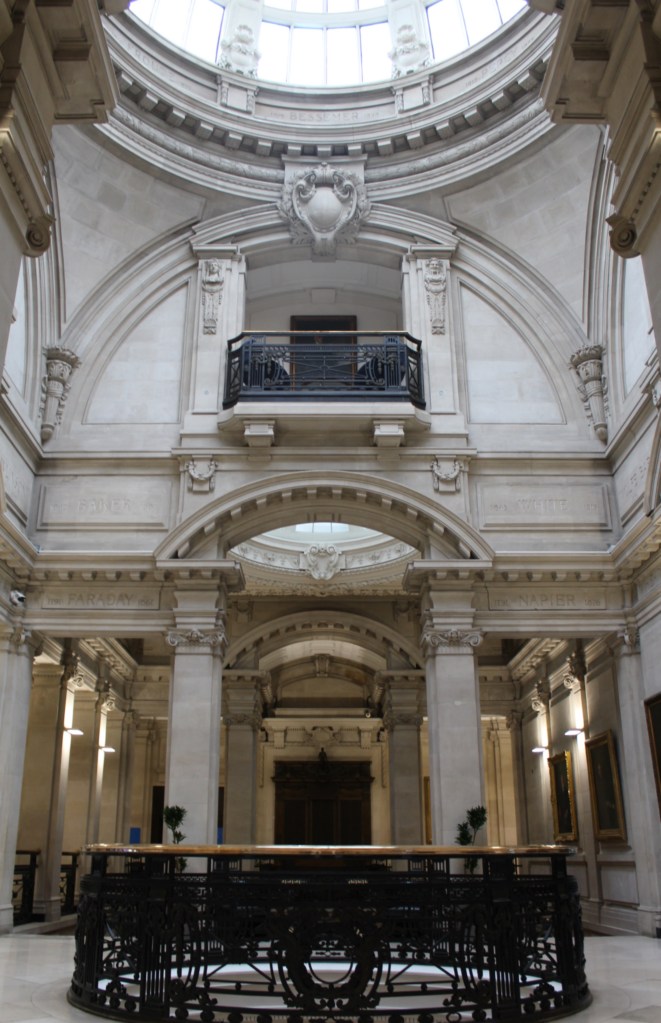
If you were an architect and you’d designed, Glasgow Central Station, Gleneagles and Turnberry hotels, Glasgow Royal Infirmary, the Savoy Theatre in Glasgow, Glasgow International Exhibition of 1901, the stunning Wemyss Bay railway station (above), the first Hampden Park football stadium, numerous churches including the excellent St Andrew’s East in Glasgow, Caledonian Chambers, the Anchor Line building, the North British Locomotive company’s offices, Caledonian Mansions, around half of the city centre banks in Glasgow, the interiors of the RMS Lusitania and Aquitania, St Enoch’s Underground Station, Kildonan (the largest 20th century country house in Scotland), Troon and Clydebank town halls, Forteviot model village and the Institution of Civil Engineers in London (below), you’d think that you might just have reached the level of being a household name, and yet despite being Scotland’s most prolific architect, James Miller (1860-1947) is almost entirely unknown. 

Not only has he failed to register with the public (for whom only Charles Rennie Mackintosh is known in Scotland) but more seriously, he’s also almost unrecognised by most architects (whose training in architectural history in most cases remains a high-speed trip through 3,000 years to the start of the Modern Movement). He is one of dozens of Victorian and Edwardian architects of outstanding ability whose works we generally take completely for granted as we travel the world with a tick-list of Modern buildings that we’ve been trained to visit and value. For those architectural historians who know of him, he is also damned as having been just a bit too commercially successful, having worked his way up from a position in the engineers department of the Caledonian Railway (rather than attending the Ecole des Beaux Arts or having enjoyed a fashionable pupillage), and this has resulted in something close to a desperation to assign his best work to those of his assistants who enjoyed more blue-blooded architectural educations.

He rarely sought publicity and was by all accounts, “very reserved by nature, he did not enter much into public life and was well content to let others talk architecture while he was doing the job,” and largely as a result of this he was neither knighted nor awarded the RIBA’s gold medal. His quite extraordinary portfolio of work deserves to be finally fully appreciated and celebrated and the name of architect James Miller more widely known, in Scotland, at the very least.

Look out for my joint biography of James Miller and John James Burnet “Privilege and Perseverance” which is due to be published next year.

If you don’t want to miss out on further blogs then follow me on johngooldstewart.com

Blog 15

When we think of the Scandinavian countries, their contribution to Modern architecture and design is one of the strongest elements of their collective global image with the works of Alvar Aalto, Jorn Utzon and Arne Jacobsen amongst many others, admired around the globe. From the 1930’s onward, Modernism was more quickly and widely accepted in the region than in any other part of the world and soon became inextricably linked with their post-war social democratic vision of the welfare state. It is all the more surprising therefore that they were actually relatively late adopters and almost entirely uninvolved with the early development of Modernism.

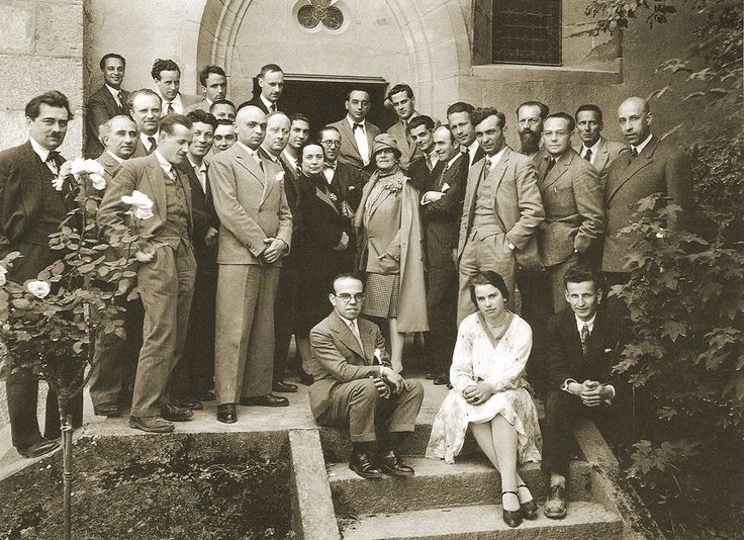
The group photograph above shows the first meeting of the Congrès Internationaux d’Architecture Moderne in Switzerland in June 1928. By the time of this meeting, the Weissenhof Housing Exhibition in Stuttgart, Gropius’s Bauhaus buildings in Desau and Le Corbusier’s Paris Villas La Roche and Stein were already completed.  The group included Walter Gropius from Germany, Gerrit Rietveld from the Netherlands, Andre Lurcat from France and in the centre with his trademark glasses, Le Corbusier himself. The notable exceptions were any representatives from the Scandinavian countries. While all this was going on in Central Europe, Scandinavian architecture was undergoing another Classical revival led by Gunnar Asplund.

The catalyst for change was Swedish architect Sven Markelius who visited Germany in the summer of 1927, met Gropius and invited him to lecture in Stockholm in March 1928. It was around then that Alvar Aalto moved his office from Jyvaskyla to Turku, both to better supervise the projects that he had won there and just as importantly, to be just a ferry ride away from Stockholm and the leader of the new Functionalism in Scandinavia – Markelius. In October 1929 Markelius was invited to join the CIAM meeting in Frankfurt and was given permission to bring both Aalto and the Danish lighting designer Poul Henningsen with him to meet the heroes of the Heroic period of the Modern Movement. 

Despite Markelius’s and increasingly Aalto’s efforts to promote Modernism in their region, it was the conversion of the leader of the Nordic Classical movement Gunnar Asplund to Modernism, which proved to be the tipping point. Asplund’s brilliant Stockholm Exhibition of 1930 (above) offered Scandinavians a vision of the cleaner, fairer, healthier, egalitarian utopia which they now aspired to and from that starting point Scandinavian Modernism developed, flourished and for the first time in the history of the region, contributed hugely to the development of world architecture and design.

If you don’t want to miss out on further blogs then follow me on johngooldstewart.com

Blog 14

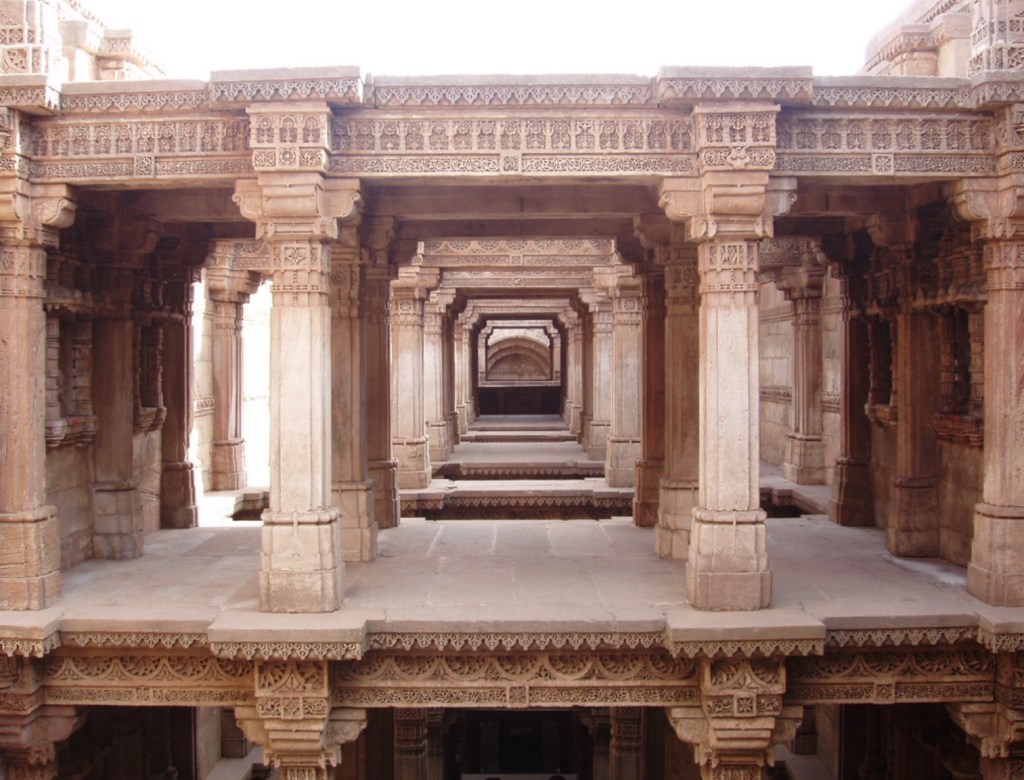
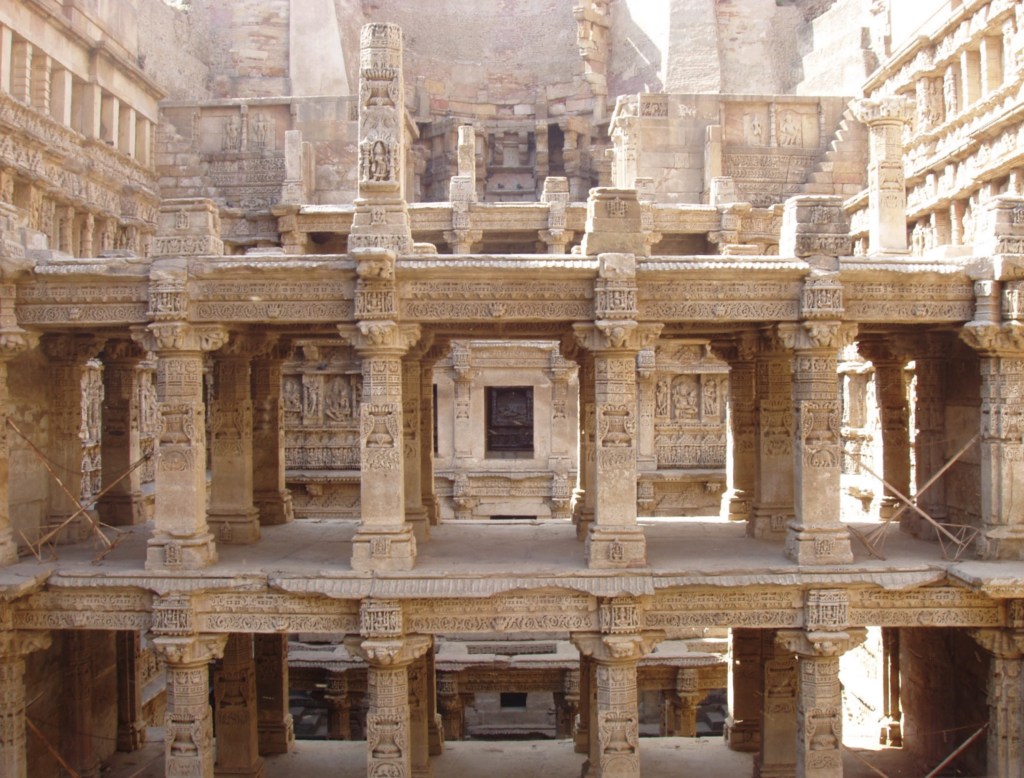
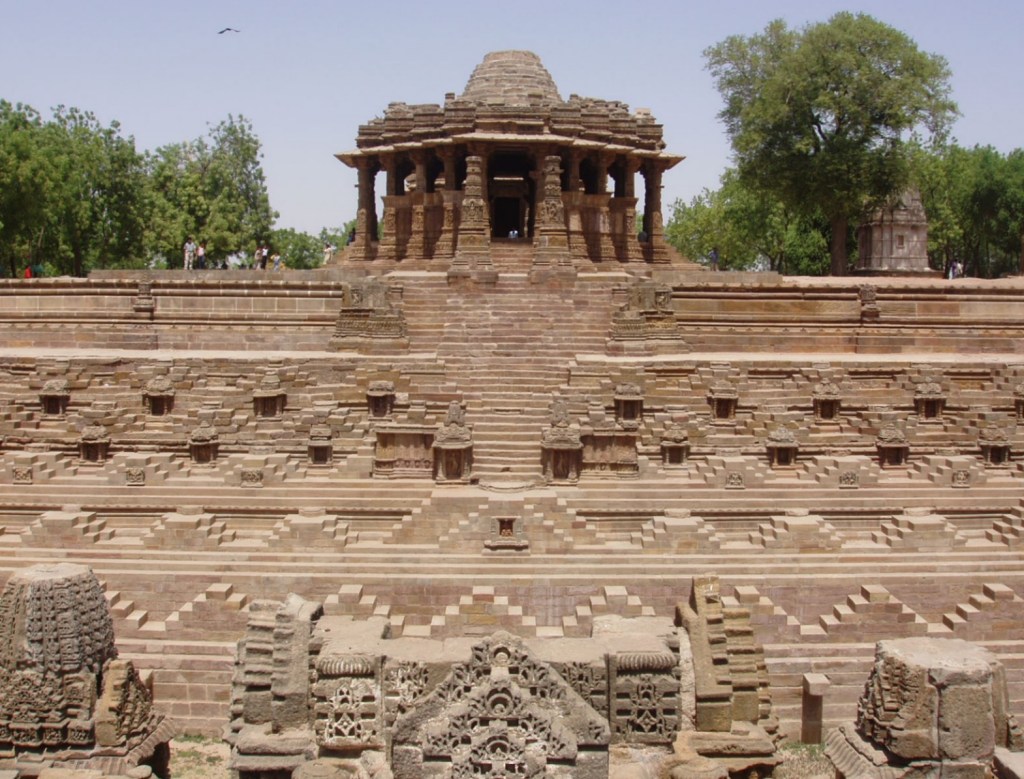
I was very fortunate to have the opportunity to spend quite a bit of time in Ahmedabad in Gujarat in India some years ago. After ticking off Le Corbusier’s Millowners Association Building, Louis Kahn’s Institute of Management and Balakrishna Doshi’s Sangath Workspace, I moved off into the foreign territory of traditional Indian architecture. Amongst the intricately carved temples and tombs, there was one particular type of structure that I found absolutely fascinating and which was particularly well represented in Gujarat – the extraordinary and entirely unique, Stepwells of India. 

These beautifully decorated subterranean spaces provided a number of both secular and sacred functions, principal among which was the harvesting of water in the near-desert climate of Gujarat. Here, the water table could be as much as 60 metres underground and the wells provided reliable year-round access to a water supply. Additionally, the wells were filled during the brief monsoon season every year, with their continuous flights of steps providing access to the water at whatever level it stood, as it then receded. The water was used for drinking, irrigation and religious ablutions and, as the collection of water was ‘women’s work’, the wells also became cool, social spaces for the women of their towns or villages during the hottest part of the day. As places of religious devotion, they were often linked to temples and the deities to which they are dedicated are celebrated in their intricately carved surfaces. The other important function of the continuous steps was to act as a buttress to the tons of earth that they held back, and where the well is of a straight shaft type, each level of the construction acts as both a social space and a further bracing structure.

The first one that I visited was one of the most famous at Adalaj (above) just a few miles outside Ahmedabad. I was dropped on the edge of the village with my driver pointing to an area of flat paving which he assured me was the well. It was only as I was almost on top of it that the ground just opened up below me to reveal five stories of subterranean structure, concluding in an octagonal pool and vertical shaft. As I descended through level after level, it was one of the greatest architectural experiences of my life, with each level provided with cool stone benches from which to appreciate the architecture and the detail of the stunning stone carving.

Next came Patan – one of the oldest wells in India (above) which was started in 1063 and constructed of stone which was brought from a quarry nearly 90 miles away. As happened with a number of the stepped wells, it had dried up after a few hundred years and was abandoned, eventually almost completely silting up until its excavation in the 1980’s when its beautifully-preserved carvings were revealed for the first time in centuries. Unlike popular Adalaj and despite its UNESCO World Heritage status, I had the well entirely to myself for several hours.

The most spectacular of them all is surely the Modhera Sun Temple (above), which unlike Patan and Adalaj, is marked above ground by the temple structure. This holds an image of ‘Surya’ the Hindu god of the sun at the very centre of the shrine, which is illuminated during the solar equinox days by a shaft of sunlight (like something from an Indiana Jones film). The well in front of the temple, which is about the size of a football pitch at ground level, has smaller shrines at every level to further deities and goddesses, with steps on all 4 sides to hold back the massive excavation.

Its estimated that there are still around 3000 stepwells in India, with many more having already been lost. Their fate ranges between handy landfill sites to beautiful wells such as the Mahila Baag Jhalra in Jodphur which has recently been emptied of centuries of rubbish and fully restored. If you ever get the opportunity to visit this amazing country, don’t forget to look down at its architecture as well as up.

If you don’t want to miss out on further blogs then follow me on johngooldstewart.com

Blog 13

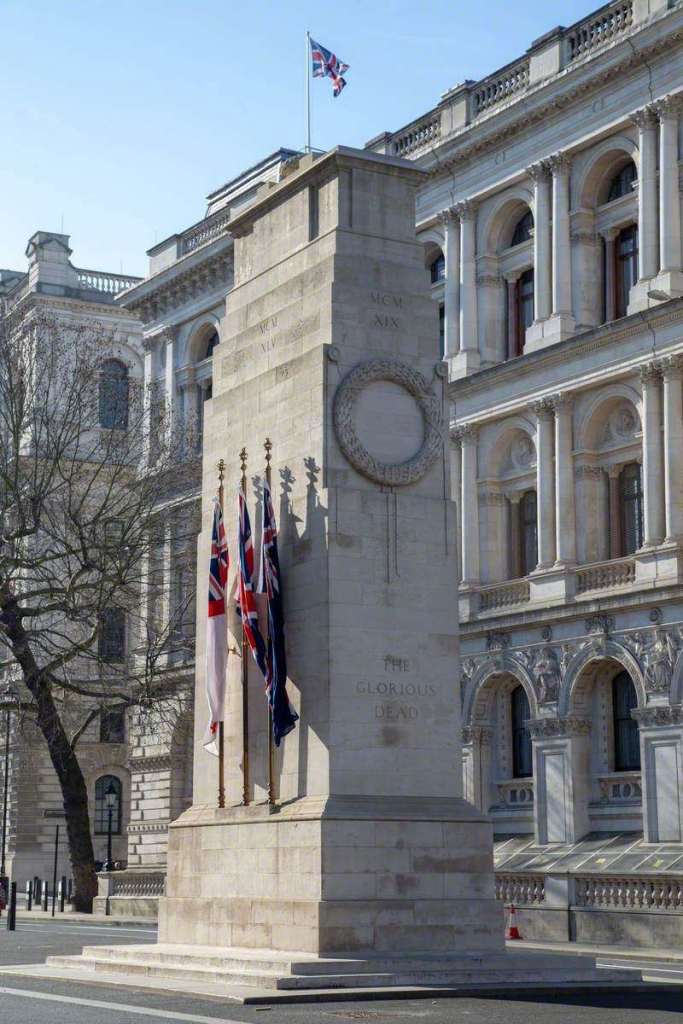
I was watching one of the Remembrance ceremonies this week around Lutyens’s magnificent Cenotaph (above) and it reminded me of the extraordinary work of those architects who were appointed by what was then the Imperial War Graves Commission to commemorate the British Empire’s dead of the First World War. The best of these monuments are surely those by Edwin Lutyens but the ‘Elemental Classicism’ that he employed in the Cenotaph and elsewhere was first developed by Herbert Baker in South Africa in his memorials in Cape Town and Kimberley. The three principal architects of the IWGC were Lutyens, Baker and Reginald Blomfield and they were responsible for most of the monuments in France and Belgium, but there were several other architects who also contributed including Charles Holden, Robert Lorimer and the brilliant Glaswegian architect, John James Burnet. After being appointed by the IWGC, all this group then picked up numerous further commissions for town and city memorials.

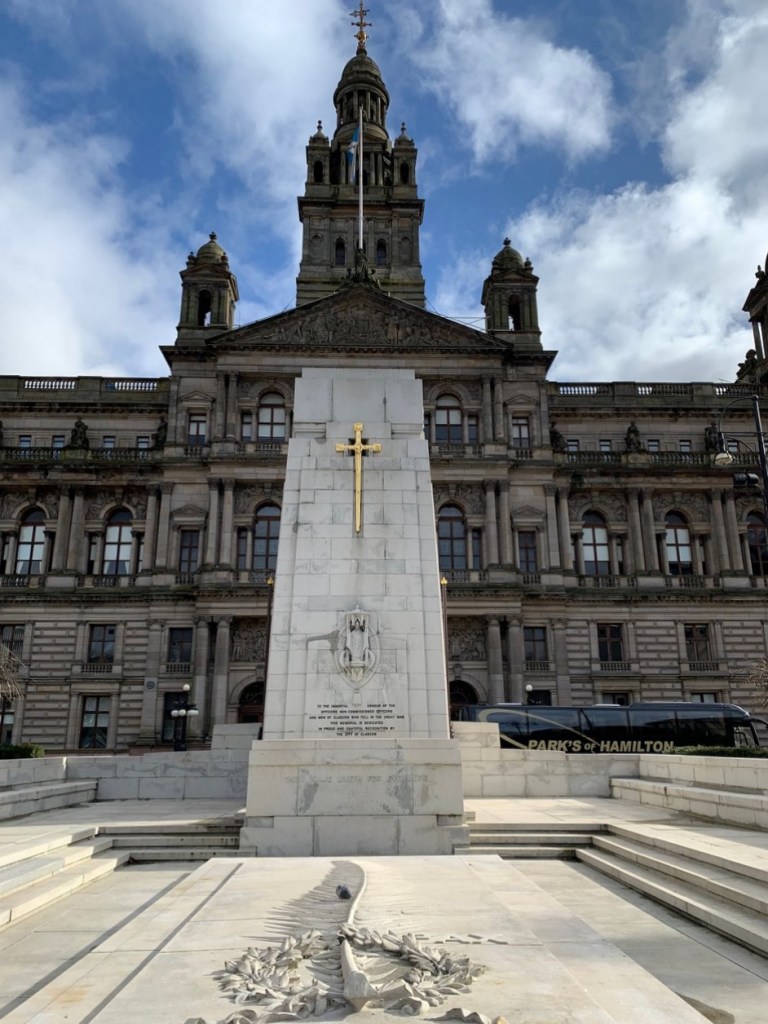
In Glasgow, as elsewhere, there was great debate as to a suitable monument to their war dead which ranged from a new commemorative concert hall to re-naming Sauchiehall Street “Victory Street”. In the end, the City Council decided on a monument in George Square in the very centre of their city and interviewed Lutyens, Lorimer and Burnet for the commission. Lutyens stated that he was too busy and offered a copy of the Cenotaph, and as Lorimer had subsequently been appointed to design the Scottish National War Memorial in Edinburgh Castle, local boy Burnet was chosen. His solution (below) was an equally-beautifully proportioned obelisk and catafalque which further developed Lutyens’s design. His original intention was to create a small court of honour, below ground level in front of his pylon, which would provide a place of tranquillity right in the heart of the city, but sadly, the budget, which had been raised by public subscription, wouldn’t stretch that far.

As in London, it provides the setting for remembrance services every year and unfortunately, with the passing of almost 100 years, fewer and fewer people now realise that Burnet placed his monument at the east end of George Square specifically so that those who gathered in the square would be looking towards the battle fields of France and Belgium while they commemorated those who had lost their lives there.

You will be able to read more about JJ Burnet’s life and architecture in my joint biography of Glasgow architects JJ Burnet and James Miller, which is due to be published in 2021.

If you don’t want to miss out on further blogs then follow me on johngooldstewart.com
Blog 12

One of the most interesting aspects of researching and writing a biography of Alvar Aalto was discovering what was happening in his personal life during the most creative periods of his career.

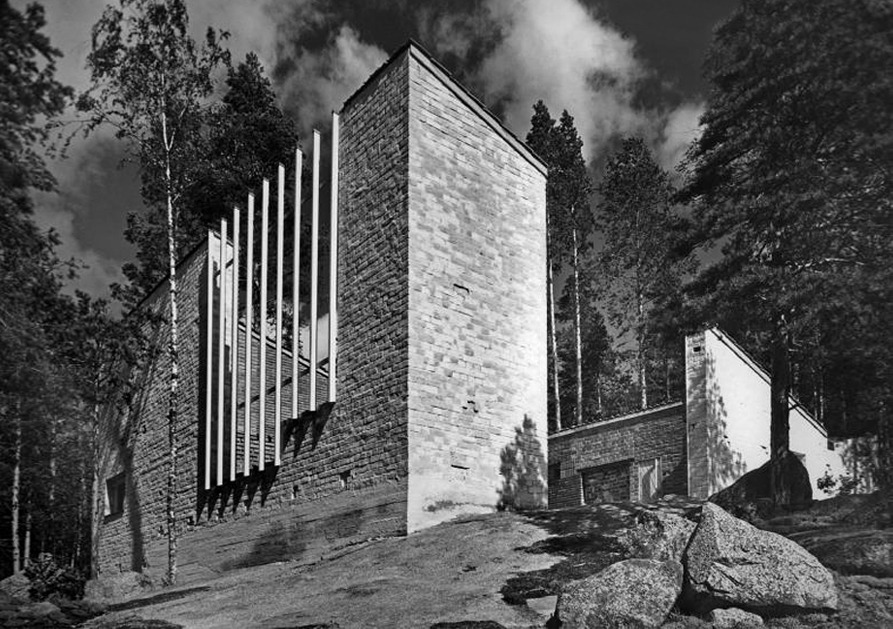
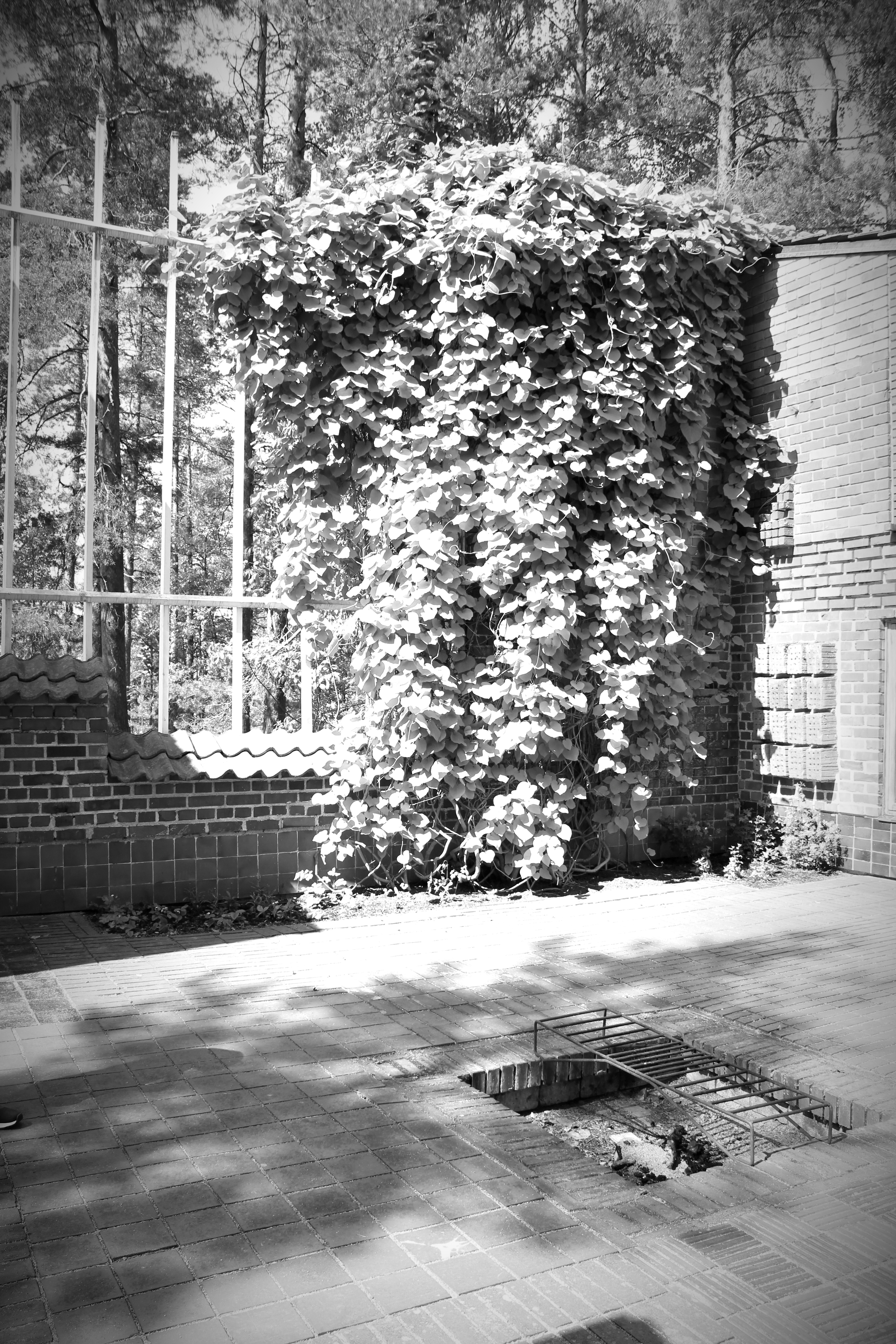
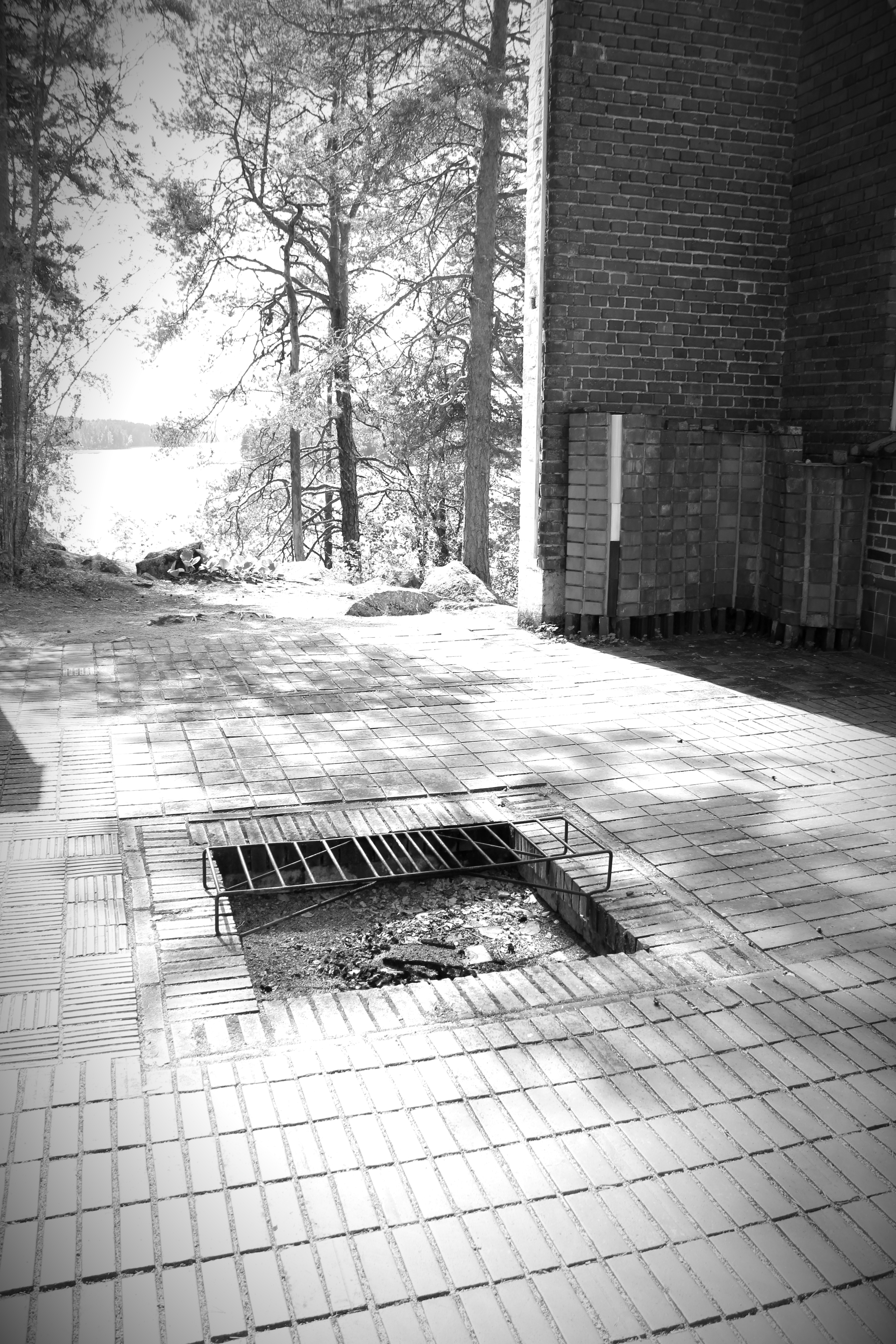
His ‘Experimental Villa’ was a case in point. It was located on what was then a small island, just a few miles from the site of Saynatsalo Town Hall. Aalto’s first wife Aino had died just a few months before he was awarded the commission for the town hall and he developed his design with 29-year-old Elsa Makiniemi who had recently joined his office. Elsa (or Elissa as Aalto christened her) became firstly project architect and by the end of the construction of the town hall, Aalto’s second wife. At that stage, Aalto had yet to build his elegant studio in Helsinki and still worked from his old office in Munkineimi, which had also been his and Aino’s home. He and Elissa planned a new home of their own – a summer house – and found the remote site while on a visit to Saynatsalo. Fortunately, Harry Gullichsen (Aalto’s client for the Villa Mairea) owned the land and sold it to Aalto at a knock-down price.

That left Aalto having to raise the cash for the construction of the house itself and he hit upon the brilliant idea of treating their summer home as a research project which he could then write off against tax. Thus the ‘Experimental Villa’ was born with the courtyard walls carried out in a collage of brick and tile patterns and bonds, to justify its innovative status. It’s a fascinating design in which the principal space is a partially-enclosed courtyard, focussed on a fire pit around which friends and family naturally gather on warm summer evenings to watch the sun setting on the lake below. It’s almost an inverted version of a house by Aalto’s great friend, Frank Lloyd Wright, in which the hearth is central to the entire composition but here outdoors under the stars, it takes on an almost primeval quality.

Sadly for the newly-weds, not only did the Finnish tax authorities reject their new home’s research status but it provoked them to investigate Aalto’s previous five year’s equally creative tax returns, resulting in a whopping multi-million Marka tax bill several years later, that nearly sunk the office. It was round about then that Elissa took over the running of the business.

You can read more about Aalto’s extraordinary life in my book “Alvar Aalto Architect” from Merrell Publications.

If you don’t want to miss out on further blogs then please follow me on johngooldstewart.com
Blog 11

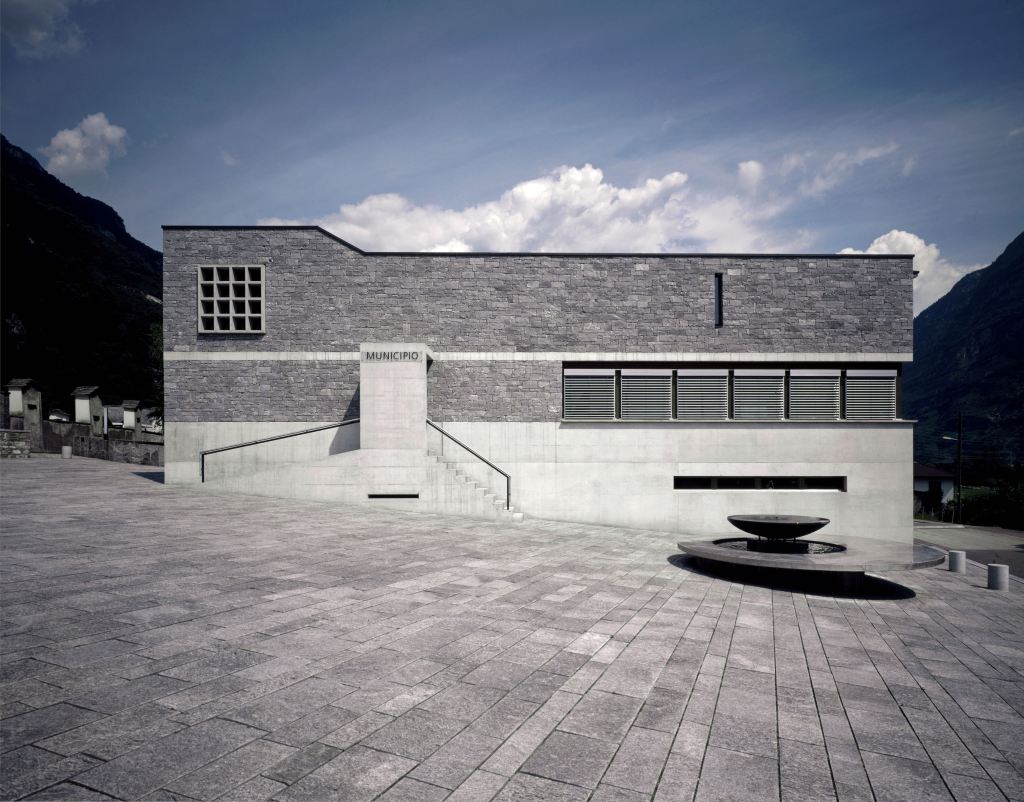
Every so often you come across a little gem. In writing my book on ‘Twentieth Century Town Halls’ I was keen to provide the broadest possible range of case studies in terms of architectural style, location and scale as well as covering every decade of the century. Some periods, notably the 50’s and 60’s, offered an almost overwhelming choice, whereas others were clearly leaner periods for municipal buildings. As a period of economic depression, the early 90’s was notably quiet but I was delighted nevertheless to find the excellent little Iragna Town Hall in Ticino in Switzerland to fill that slot.

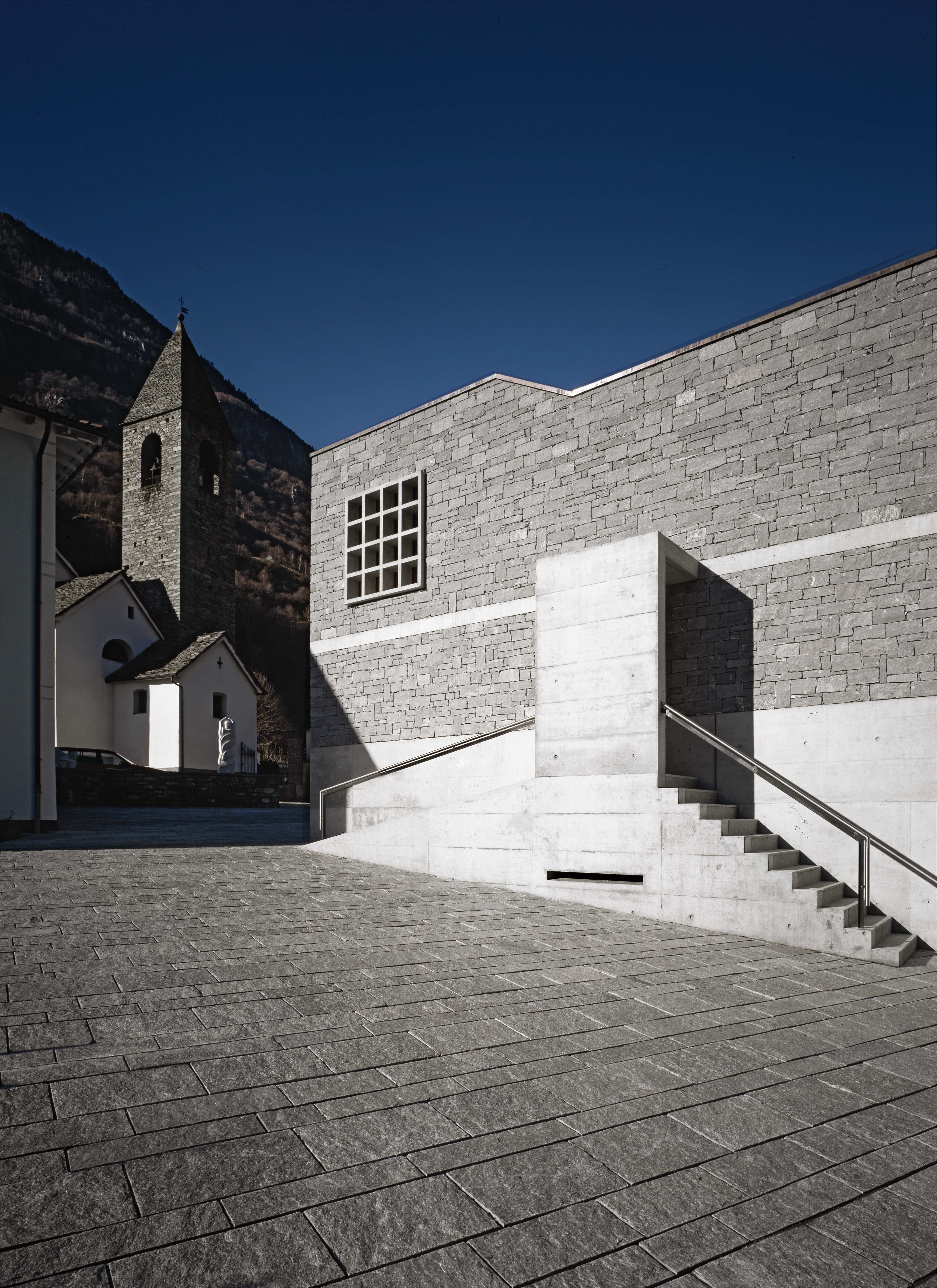
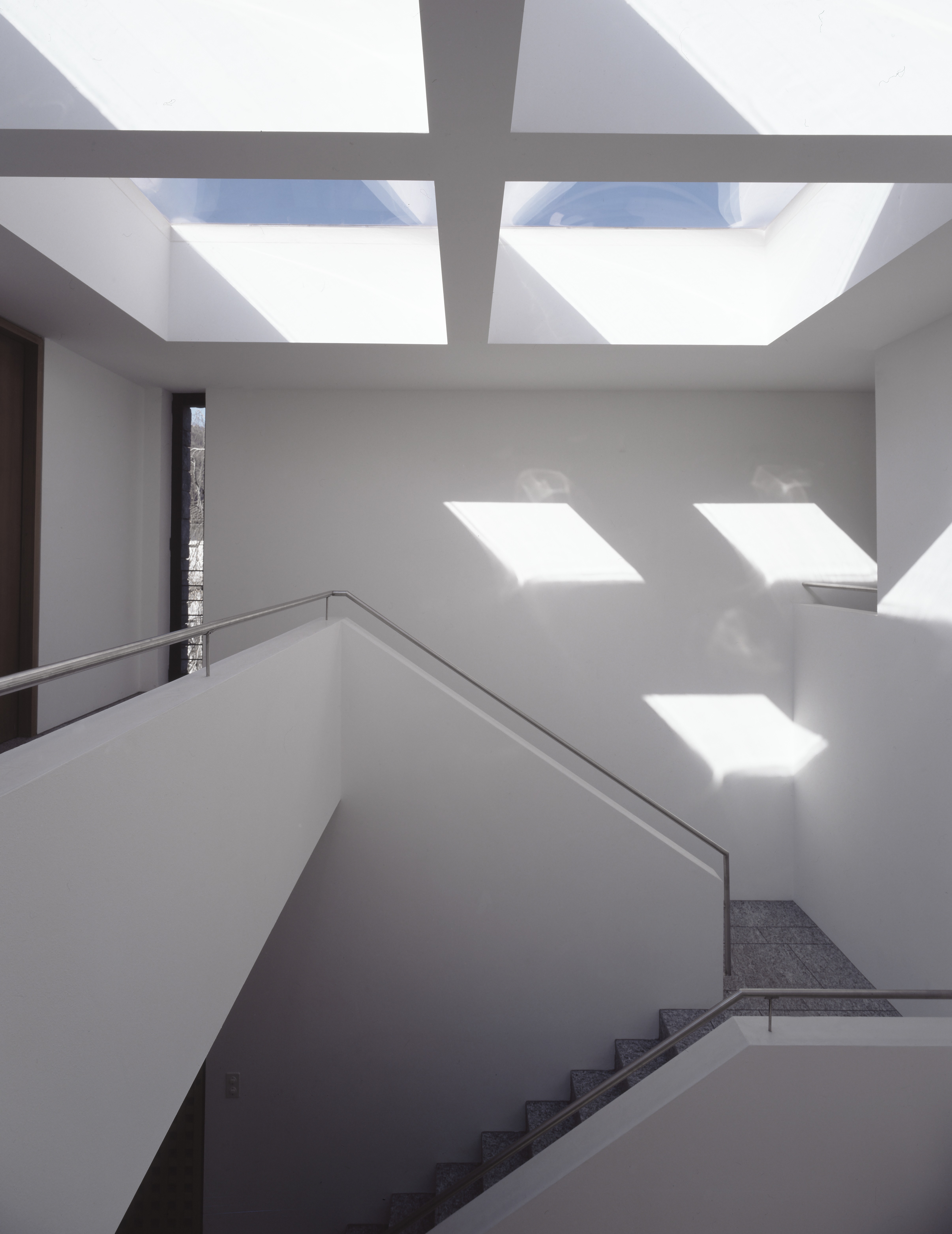
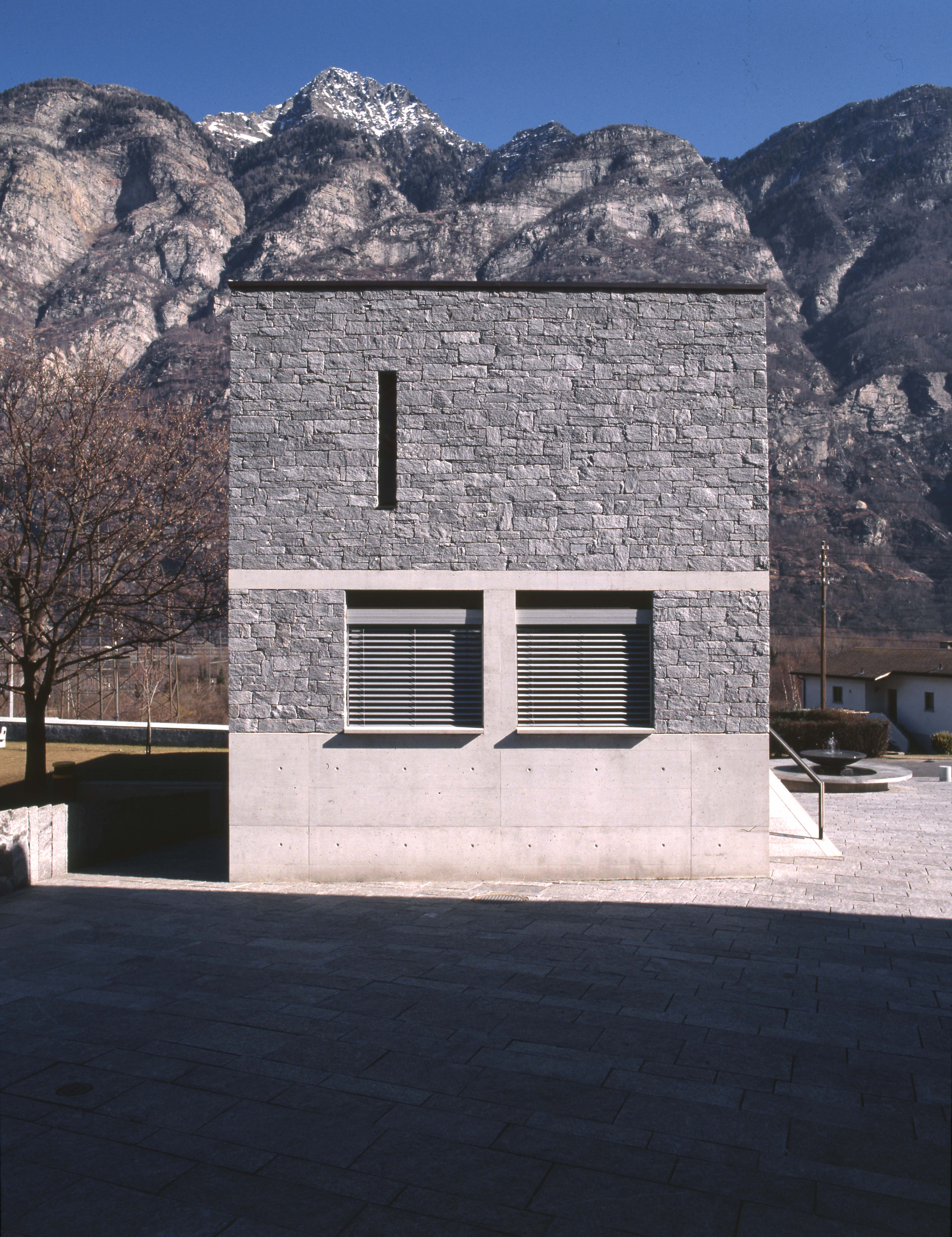
Designed by Raffaele Cavadini in 1991, this is a competitor for smallest building in the book and yet it is so thoughtful and convincingly rooted in its community that it stands comparison with Saynatsalo, Stockholm and Toronto. The town which it serves is built almost entirely of wood from the local chestnut forests and granite from the surrounding mountains and it sprawls across the River Ticino and then up the hillside, with a string of small public spaces marking the route up to the local church. Cavadini’s site is adjacent to and below the church and by placing it at ninety degrees to the road, he has created a new civic square adjacent to his town hall which also acts as a forecourt to the church. Rather than adding a competing tower, by using the same materials he instead ‘borrows’ the campanile of the church to symbolise and unite both church and state.

He adopted the local granite, split and laid in the local tradition, but here set on a deep concrete base which echoes the rendered plinths of the local houses, with concrete also used to divide the upper floors and mark the entrance. The modest council chamber is acknowledged externally by the concrete gridded window and a slight step up of the parapet, which visually flags the church above and symbolically places this most important civic space nearest to the most important spiritual space within the town. Every element is exquisitely detailed with an unfaltering rigour in a way which successfully celebrates both the history and the contemporary success of the community. 

Having completed the town hall, Cavadini was then commissioned to clear the other small squares of cars and reinstate them as public spaces.

You can read more about Iragna and many other outstanding Town Hall buildings in my book “Twentieth Century Town Halls” which has been published by Routledge.

If you don’t want to miss out on further blogs then please follow me on johngooldstewart.com
Blog 10

What makes great architecture rather than just good? Certainly, I think it has to work on many levels and also include some meaning that lifts it above mere form and function.

Enter Gunnar Asplund, who prior to his conversion to Modernism, was the leader of an exceptionally fine group of Nordic Classicists. He had little interest in Ruskin’s theories of honesty to materials or the expression of structure – for Asplund his aim was to evoke an emotional response and to imbue his creations with a depth of meaning and symbolism.

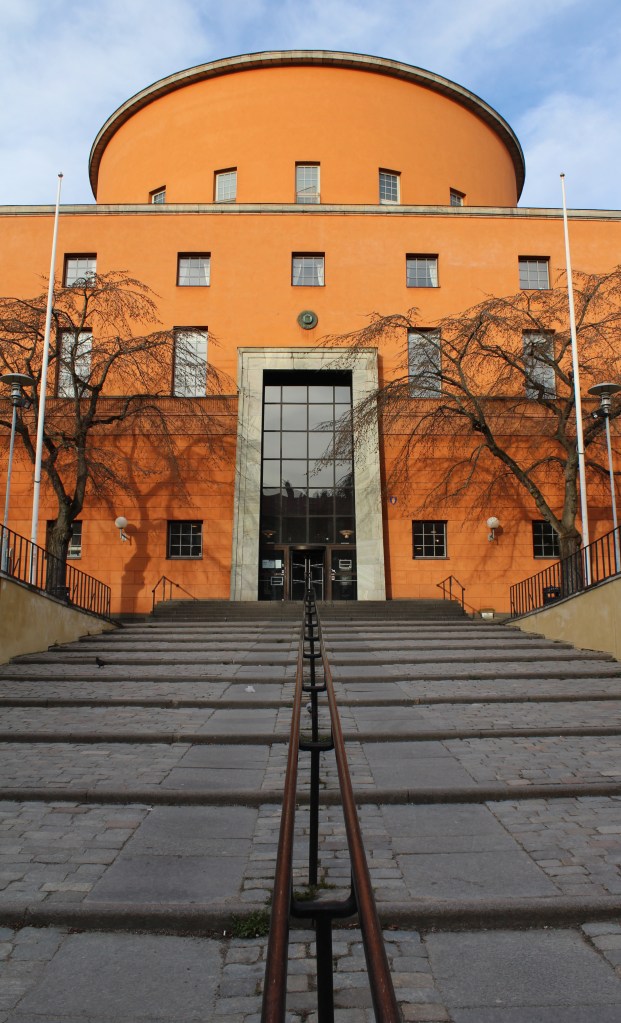
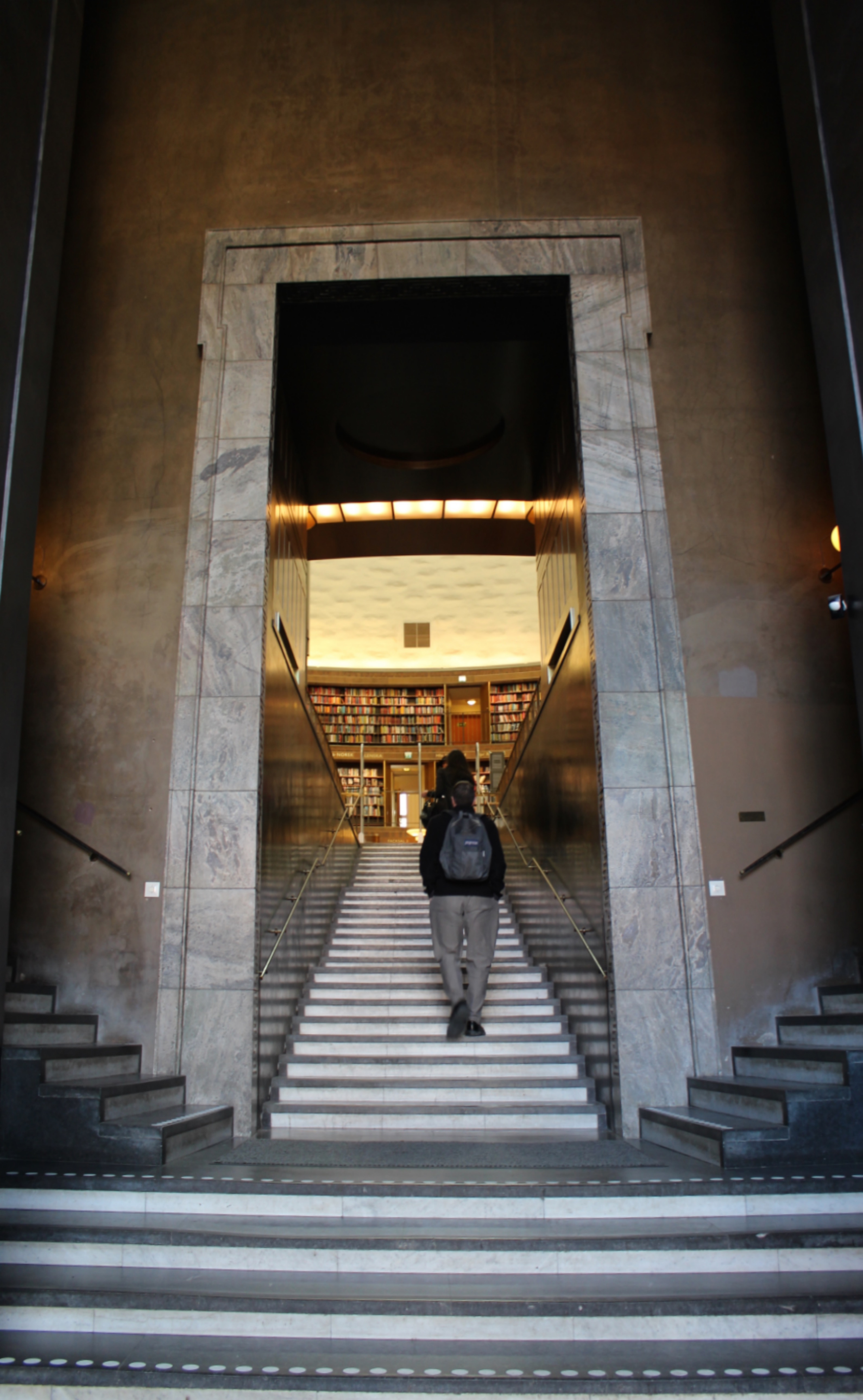
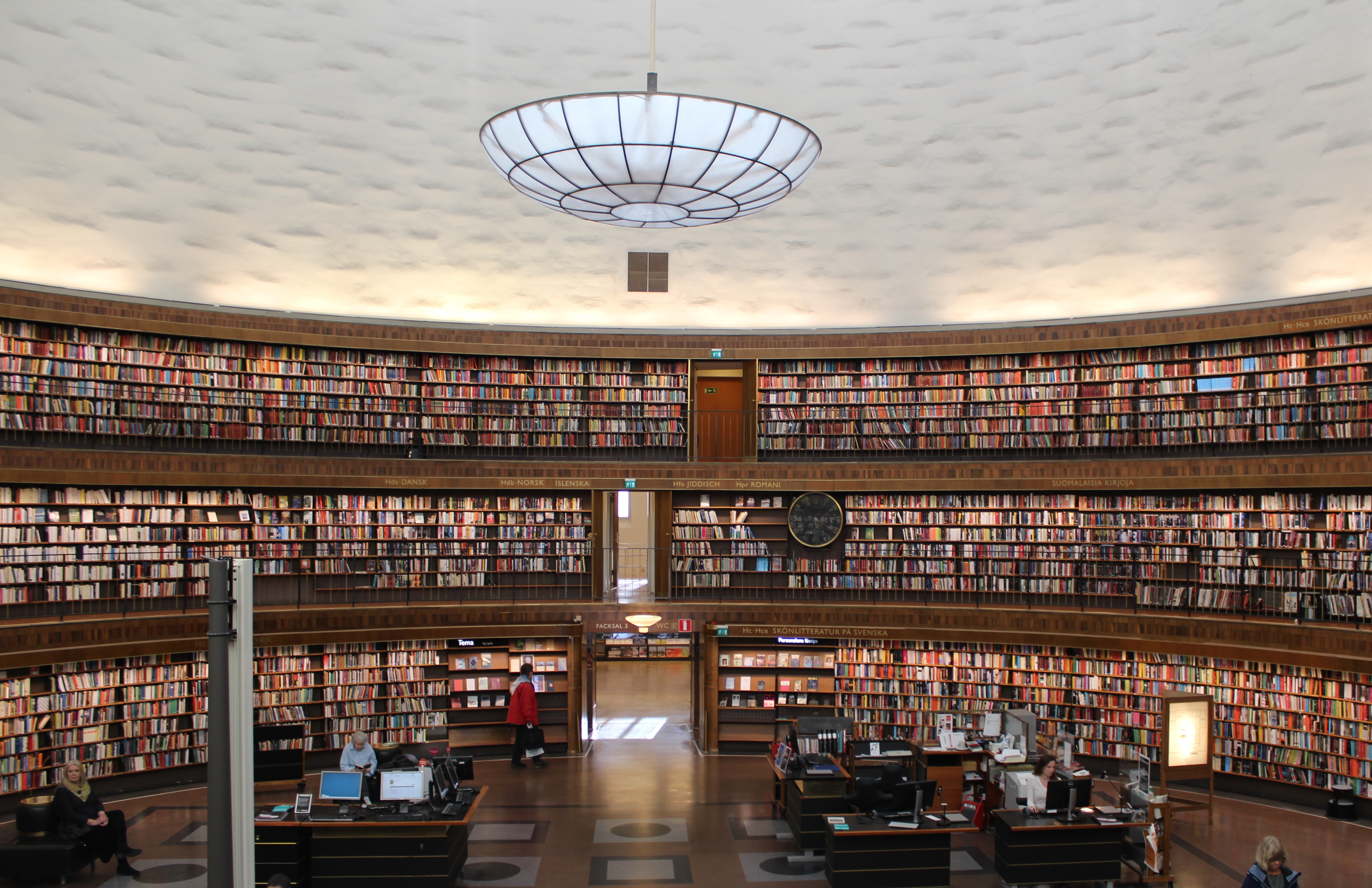
Amongst a group of stunning buildings which he produced during the nineteen twenties, (including his brilliant Woodland Chapel and Lister County Courthouse), his Stockholm City Library (as well as being the first public lending library in Sweden) celebrates the acquisition of knowledge as the key to the progress of civilisation. The building sits on a small hill in the city centre and our journey starts at street level from where we progress upwards on a path to enlightenment, first by a stepped ramp which echoes the ancient streets of classical Greece and Rome, then into the dark entrance with directly ahead, a tall slot like something from an ancient tomb that is cut in the side of the drum, contained within which are three further flights which lead us onwards and upwards towards the light. At the top of these steps we find ourselves in the centre of the drum, surrounded on all sides by books and flooded with daylight from above. We have travelled from the hubbub of the city streets to this calm refuge; from everyday life to a higher plane, from expectation to arrival through constraint and release and from darkness and ignorance into light and knowledge, with Asplund having drawn on our collective architectural memory again and again along the way. Just as importantly, the great drum of books when finally attained (and despite its classical formality), is surprisingly intimate and the library continues to function effectively and provide the gift of knowledge to the citizens of Stockholm almost one hundred years since the first book was borrowed. 

It is one of the finest achievements of the Nordic Classical Movement, about which you can read more in my book “Nordic Classicism” which Bloomsbury have now brought out in paperback.

If you don’t want to miss out on future blogs, please follow me on johngooldstewart.com

Blog 9

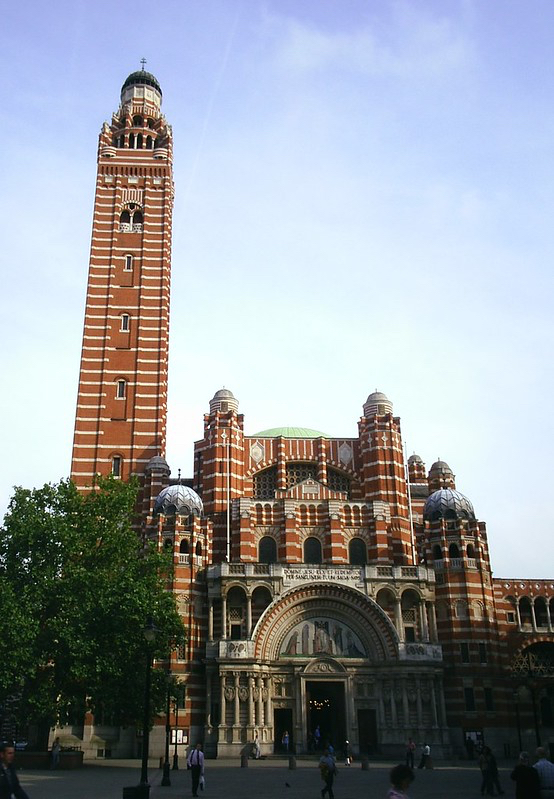
Finally, a client asks you to design a cathedral – only one drawback – he wants you to design it in the Byzantine style and you’ve spent your entire career up to this point designing Gothic buildings. This was the dilemma facing architect John Francis Bentley (1839-1902) when he was commissioned to design Westminster Roman Catholic Cathedral by Cardinal Vaughan, the Archbishop of Westminster. Vaughan was only too well aware that the site which he had managed to acquire was at one end of Victoria Street in London and sitting at the other end was the mighty, Gothic, Westminster Abbey – known the world over as the scene of British Royal coronations, marriages and funerals – so he chose Byzantine to differentiate what would be the Mother Church of the Roman Catholic Church of England and Wales from its famous Anglican neighbour.

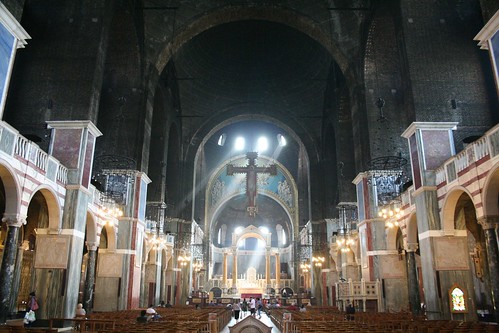
Bentley thought he’d better brush up on his Byzantine before starting work so set off on a tour of Northern Italy and the Middle East (which unfortunately, didn’t get as far as the magnificent Hagia Sofia, as there was an outbreak of cholera in Istanbul). On his return he knocked out his design for the cathedral in a matter of months, in doing so producing one of London’s finest and most interesting Edwardian buildings. The banded brick and stone, (which had actually been quite fashionable since the completion of Richard Norman Shaw’s first New Scotland Yard building in 1890) the great tower and the domed interior, established the architectural links with the Byzantine Empire, but Bentley soon made the language his own in a virtuoso display of quite extraordinary architectural skill. Externally his towers and great arched entrance doorway face the cathedral’s modest piazza off Victoria Street and provide a complete and unexpected contrast with his sombre and powerful interior. Its great nave was planned to be covered in mosaics, but the cash ran out with only the lower levels complete, leaving the brick and concrete of the its shallow concrete domes exposed above. The unintended but nevertheless extremely evocative effect of this is to provide a richly decorated, worldly and rather materialistic, lower human level, while above, the building simply dissolves as it soars upwards into mysterious and mystical otherworldly shadows.

Sadly, neither Bentley nor Cardinal Vaughan lived to see their creation completed and in dying before the official presentation was able to take place, Bentley was also denied the RIBA’s Gold Medal (which he thoroughly deserved).

Well worth a detour if you get the chance! If you don’t want to miss out on future blogs then please follow me on johngooldstewart.com